System Prompt

A system prompt is an instruction given to an LLM before the start of a conversation with a user, defining the AI's role, tone, constraints, and other parameters to control the overall behavior of the application.
A System Prompt is an instruction given to an LLM before the start of a conversation with a user, defining the AI's role, tone, constraints, and other parameters to control the overall behavior of an application.
Why System Prompts Matter
When integrating generative AI into real services or workflows, product quality is not determined solely by the model's capabilities. Even when using the same model, the user experience can vary significantly depending on how the system prompt is designed. For a customer support AI chatbot, constraints such as "respond using polite formal language and do not answer questions outside the scope of the product warranty" can be embedded in advance. For a coding assistance tool, behaviors such as "output only TypeScript code and keep explanations to a minimum" can be specified. In this way, the system prompt functions as a "blueprint" that bridges the model and the actual application.
Technical Mechanism
When constructing a conversation, most LLMs process messages by distinguishing them according to role. The typical structure is as follows:
- system: Instructions set by the application developer (the system prompt)
- user: Messages entered by the end user
- assistant: Responses generated by the model
The system prompt is placed in the system role and is fixed at the top of the conversation history. The model uses these instructions as a premise when interpreting and processing subsequent user messages. Because it occupies the beginning of the context window, it holds high priority within the model's attention mechanism.
When combined with RAG or tool calling (Function Calling), the system prompt also includes orchestration instructions such as "which tools to use and when" and "how to handle externally retrieved information." In the context of AI agents, it can be regarded as the central configuration file for agent orchestration.
Key Design Considerations
The following are important perspectives to keep in mind when designing a system prompt.
Clarity and specificity: Rather than vague instructions like "please answer kindly," writing concretely—such as "keep responses to three sentences or fewer and always include supplementary explanations for technical terms"—tends to produce more consistent output.
Explicit constraints: Clearly stating what the model must not do helps suppress unintended outputs. Combining this with AI Guardrails enables more robust control.
Role definition: Assigning a role such as "you are an expert in ○○" is effective for standardizing the expertise and tone of responses.
At the same time, countermeasures against Prompt Injection are essential. This is an attack technique in which a malicious user attempts to override the constraints defined in the system prompt, and security design—particularly for systems that handle external input—should be carried out with reference to OWASP guidelines.
Relationship with Prompt Engineering
While prompt engineering is a technique for optimizing individual inputs, the system prompt serves to establish the "baseline" for the entire application. In recent years, the concept of context engineering has also emerged, spreading the idea of treating not just the system prompt but the entire context—including conversation history, external knowledge, and tool definitions—as the subject of design.
A system prompt is not something written once and left unchanged; it should be continuously refined through observation of actual outputs. Treating it as something to be managed and version-controlled as a team—from the PoC (Proof of Concept) stage through to production—is the most direct path to improving the quality of AI utilization.
Articles covering this term
- What is Context Engineering? The New Paradigm in LLM Development and Its Evolution from Prompt EngineeringContext Engineering is a design approach for dynamically assembling optimal information for LLM apps. Covers differences from prompt engineering, context window components, and RAG/agent implementation patterns.
- LLM Cost Optimization Guide — Token Reduction, Model Selection, and Cache ImplementationPractical guide to cutting LLM production costs. Learn 4 pillars—token optimization, model selection, prompt caching & RAG design—to halve monthly costs without sacrificing accuracy.
- What is Prompt Caching for Multi-Tenant? A Design for Reducing Inference Costs in B2B SaaSLearn patterns & implementation steps for multi-tenant cache design that securely shares prompt context across tenants, significantly reducing inference costs.
- Closing the "Invisible Attack Vector" in AI Chat — An Implementation Guide to Preventing Prompt Injection via DBIndirect prompt injection via DB in multi-tenant AI chat: identify 4 attack vectors, detect & sanitize 24 patterns across 3 categories, validated with 71 test cases. A practical implementation guide.


Related Terms
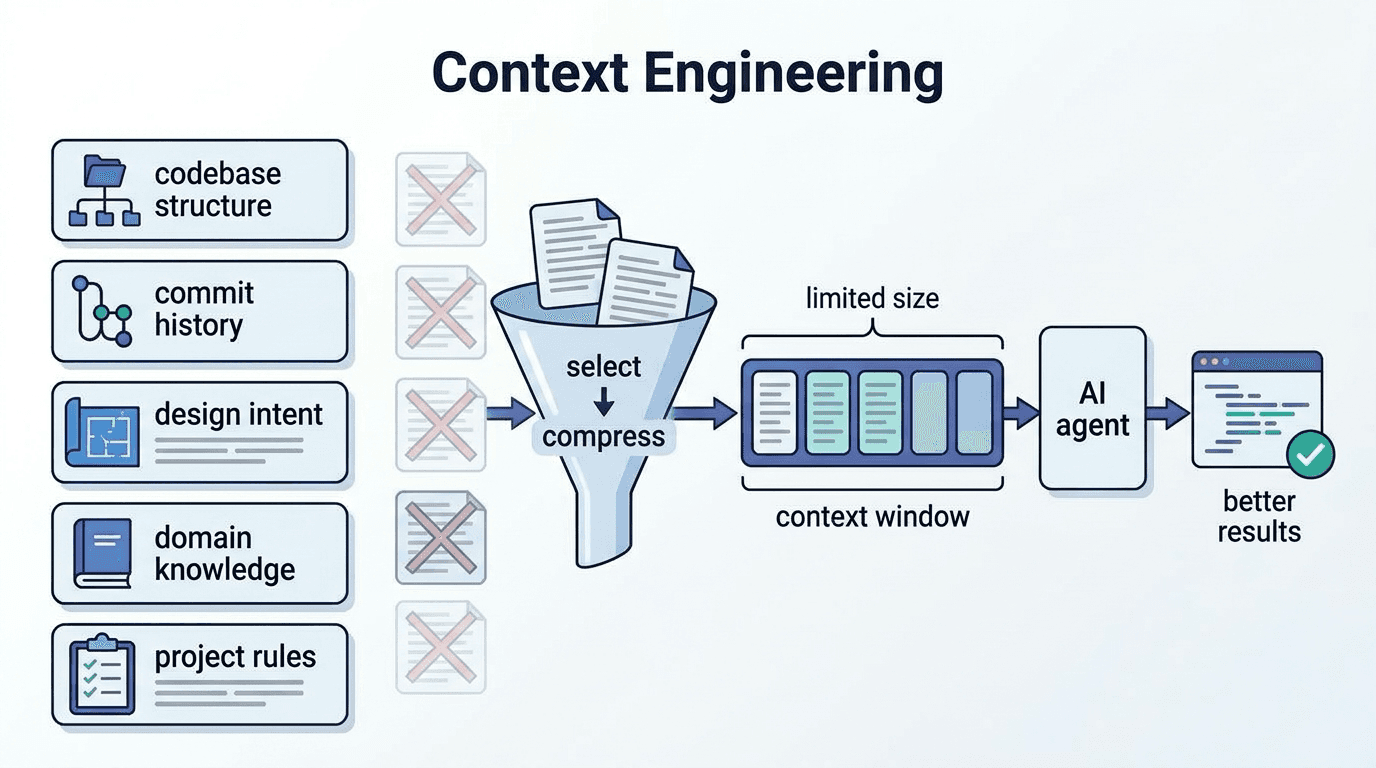
Context Engineering
Context Engineering is a technical discipline focused on systematically designing and optimizing the

AI Red Teaming (AI Red Teaming)
An evaluation method that systematically tests AI system vulnerabilities from an attacker's perspect
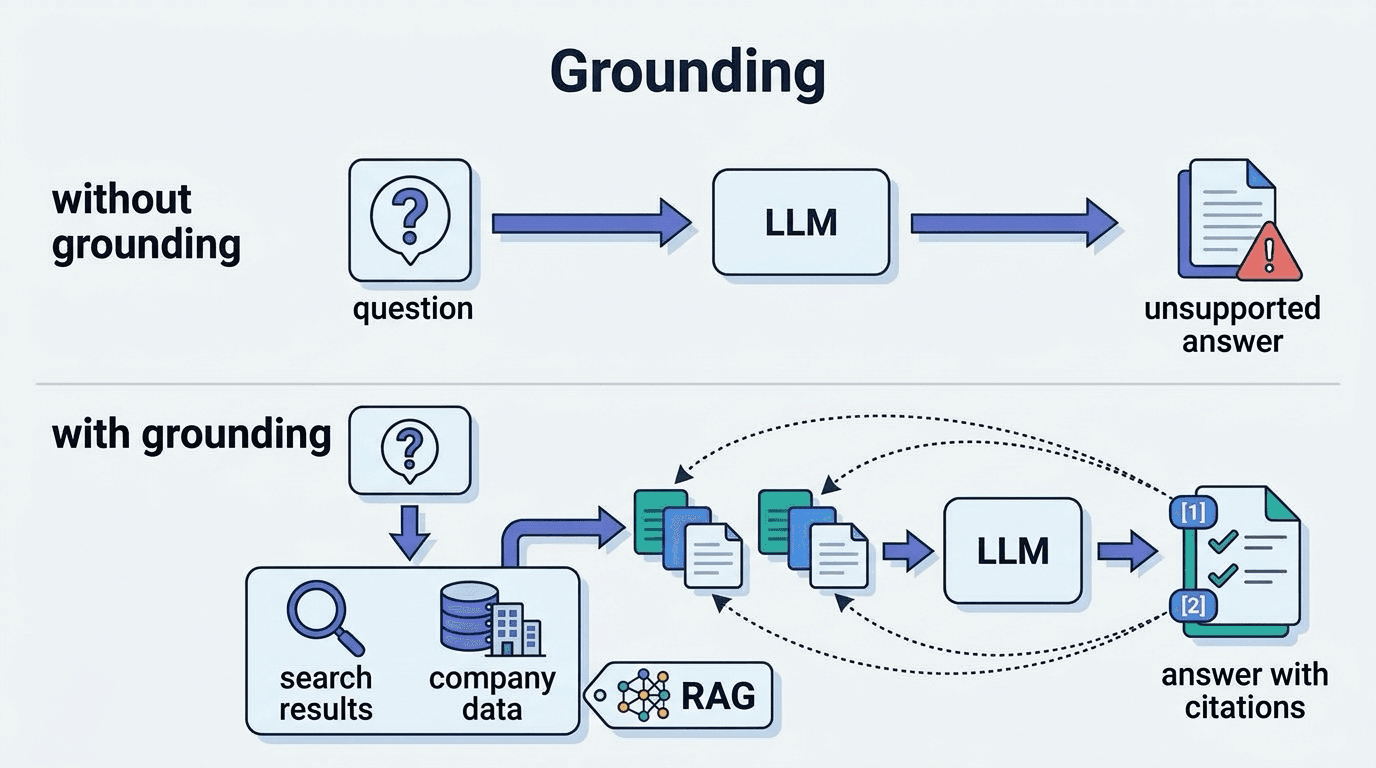
Grounding
A technique that cross-references LLM outputs with external data sources and search results to gener
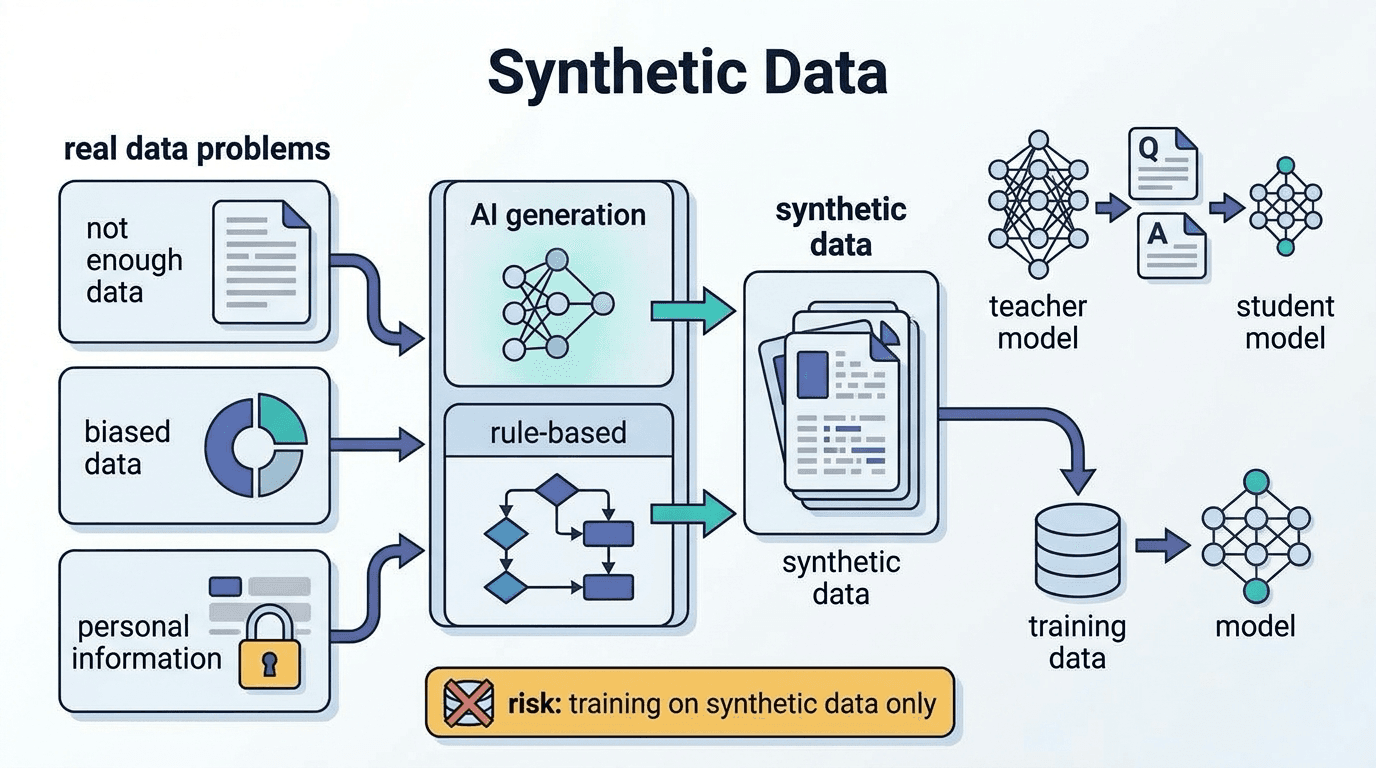
Synthetic Data
Training data generated by AI. It is used to supplement the lack of real data and to train and evalu