Generative AI (Generative AI)
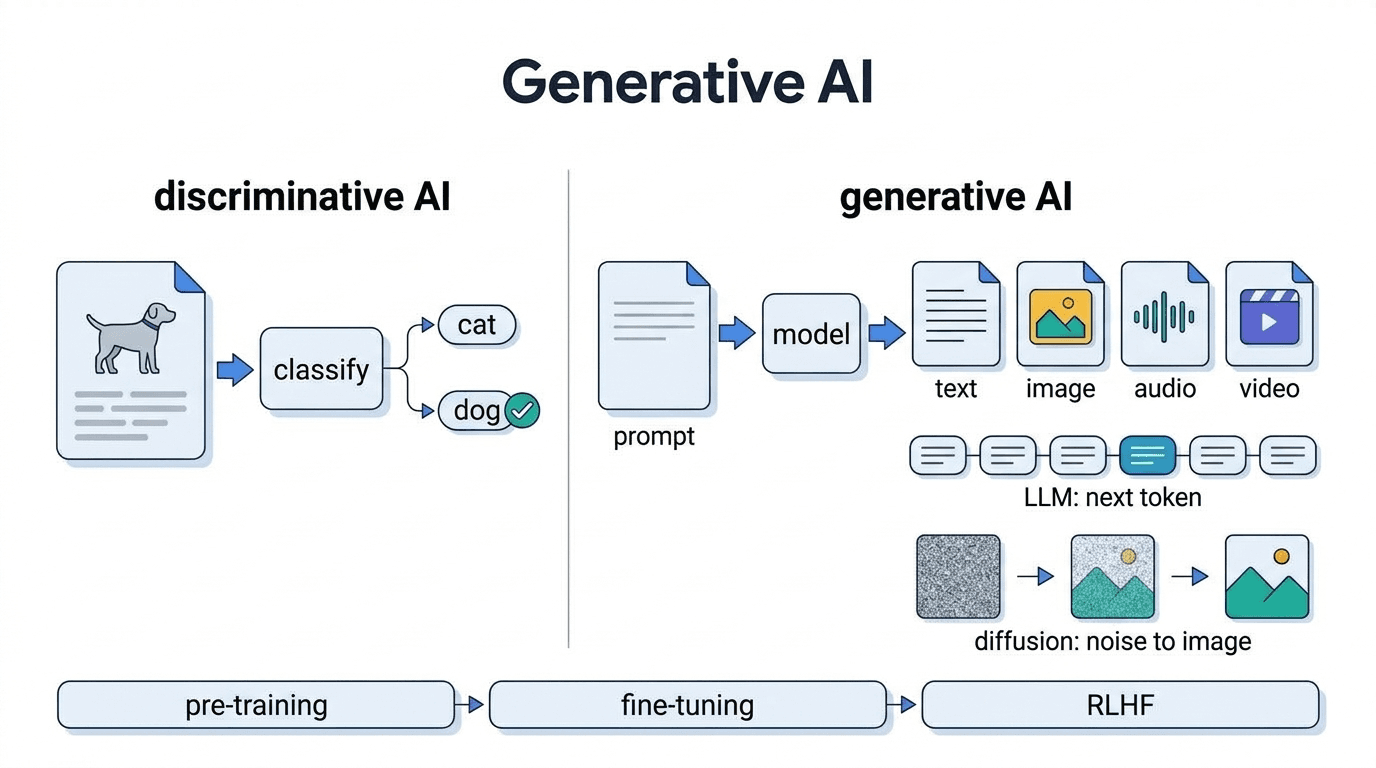
Generative AI is a collective term for AI models capable of autonomously generating content such as text, images, audio, and video from training data, with LLMs and image generation models being representative examples.
Generative AI refers to a collective term for AI models capable of autonomously generating content such as text, images, audio, and video from training data, with LLMs (Large Language Models) and image generation models being representative examples.
Technical Mechanisms
The core of Generative AI lies in learning patterns and probability distributions from vast amounts of data to "generate" new data. While conventional discriminative AI determines "is this a cat or a dog?", Generative AI responds to requests such as "create an image of a cat" or "continue this text."
The main elements of the training process are as follows:
- Pre-training: Acquiring fundamental patterns using massive amounts of text and image data
- Fine-tuning: Additionally training the model to suit specific tasks or use cases
- RLHF (Reinforcement Learning from Human Feedback): Using human evaluations as reward signals to improve output quality
In text generation, the basic mechanism involves predicting the next word on a token-by-token basis, and technologies such as CoT (Chain-of-Thought), which enables Reasoning Models to solve complex problems step by step, are also advancing. GPUs are indispensable as the computational foundation, and their importance continues to grow alongside the increasing scale of models.
Major Model Categories and Characteristics
Generative AI is classified into multiple categories based on output format.
In text generation, GPT, Claude, and Gemini are widely known. These serve as Foundation Models with general-purpose capabilities and can be applied to a variety of downstream tasks. Evolution continues toward balancing efficiency and performance, with the emergence of SLMs (Small Language Models) that reduce model size, and MoE (Mixture of Experts) architectures that combine expert modules.
In image and video generation, diffusion models are mainstream, and the accuracy of video generation AI has improved remarkably. At the same time, the risk of misuse for generating fake content—exemplified by deepfakes—is also increasing.
The ways in which models are used are also diversifying. In addition to cloud-based APIs, there is a growing trend toward running models locally as local LLMs or independently customizing open-weight models whose weights are publicly available.
Applications and Challenges in Enterprise Adoption
A particularly notable application of Generative AI in enterprise settings is its combination with RAG (Retrieval-Augmented Generation). By retrieving relevant information from internal documents or external databases and providing it as context, organizations can leverage up-to-date and specialized information that would be impossible with the model alone. Furthermore, by combining with AI agents and multi-agent systems, Generative AI is evolving beyond a mere "answer generator" into Agentic AI capable of autonomously handling multi-step tasks.
On the other hand, there are risks that cannot be ignored when implementing these systems:
- Hallucination: The problem of confidently generating information that differs from the facts
- Prompt Injection: Attacks that deliberately manipulate model behavior through malicious inputs
- Shadow AI: The phenomenon where employees use Generative AI outside of corporate oversight, creating risks such as information leakage
- Lack of governance: Situations where deployment proceeds without established usage policies or audit frameworks
To address these issues, the development of AI governance and the implementation of AI Guardrails are required. Additionally, keeping pace with regulatory trends including the EU AI Act has become an indispensable perspective for organizations operating globally.
Future Outlook
The evolution of Generative AI is shifting its focus from improving the performance of individual models to "how to use them safely and efficiently." Maturity is required on both the technical and operational fronts—including designing human oversight frameworks through HITL (Human-in-the-Loop), improving output quality through context engineering, and automating operations using MLOps. Generative AI is no longer an experimental tool for specific departments, but is transforming into infrastructure that is deeply integrated into the workflows of entire organizations.
Articles covering this term
- What Is an AI-Native Management Strategy? How to Fundamentally Redesign Your Business ModelFrom "adding AI" to "redesigning with AI." Learn AI-native management transition steps, ERP/FMS integration strategies, and real-world examples from Thai and Japanese companies.
- What is AI Governance? A Practical Guide from EU AI Act Compliance to Internal Policy DevelopmentLearn AI governance essentials: EU AI Act overview, risk classification, internal guidelines, and audit frameworks—key insights for practitioners navigating full-scale AI adoption.
- How Thai SMEs Can Reduce Marketing Costs with Generative AILearn how Thai SMEs cut SNS & EC content costs with generative AI. Practical steps for creating images, videos & text for LINE & TikTok.
- What is AI-Native UI? The Design Philosophy of Generative AI Dynamically Creating ScreensExplore AI-native UI: where forms and menus are replaced by AI-generated interfaces. Learn core concepts, design patterns, and real-world business applications.


Related Terms
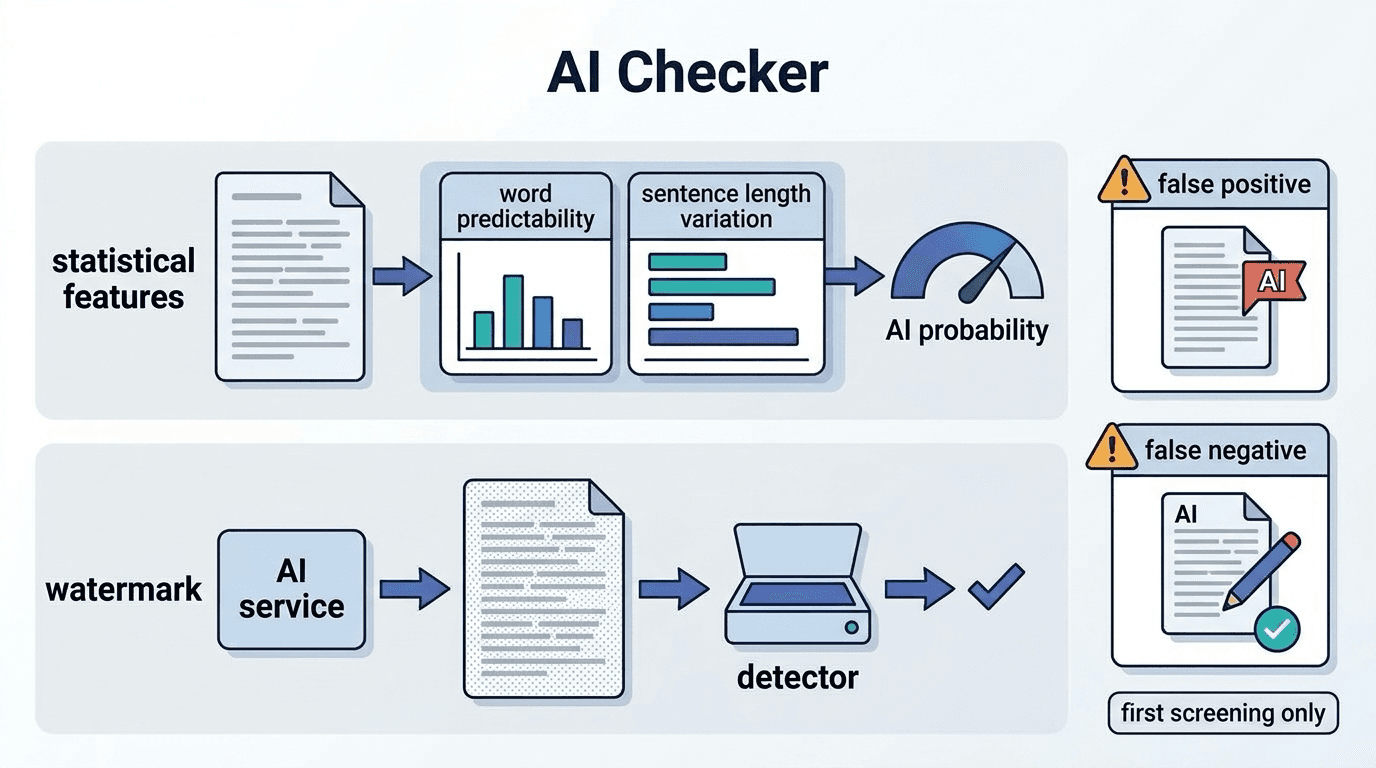
AI Checker (AI-generated text detector)
An AI checker is a tool that estimates whether a piece of writing was generated by AI, mainly from s
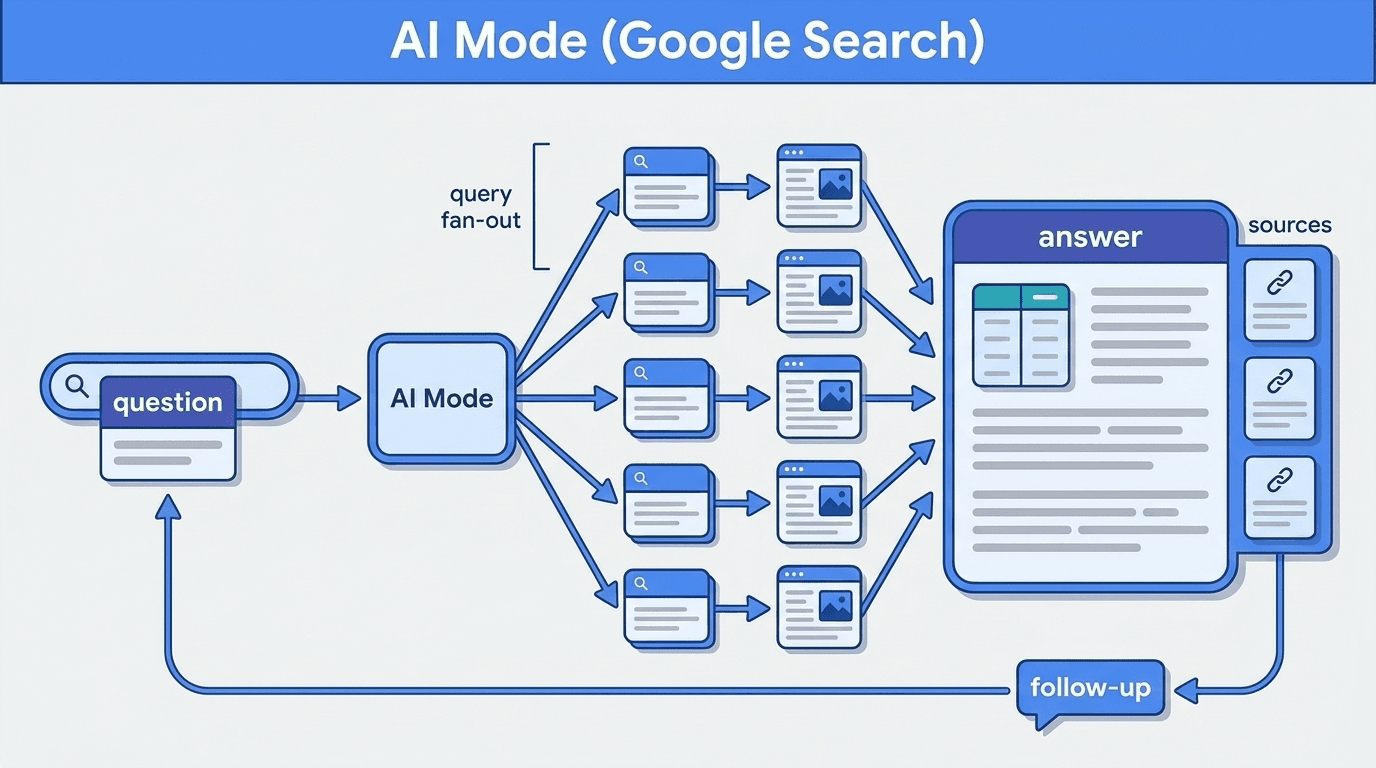
AI Mode (Google AI Mode)
AI Mode is a generative AI search mode built into Google Search that answers questions conversationa

Context Window
A context window refers to the maximum number of tokens an LLM can process at one time, indicating t
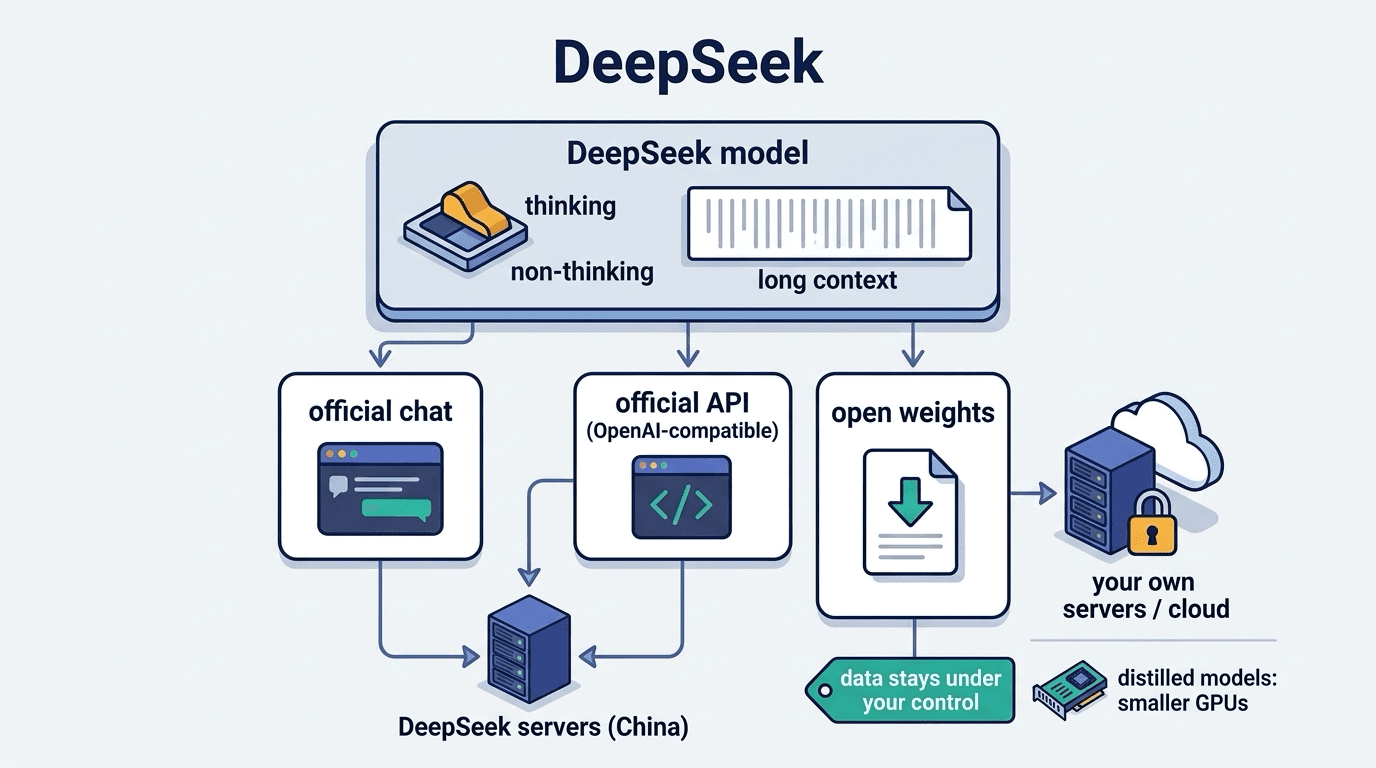
DeepSeek
DeepSeek is a family of large language models and a chat service developed by the Chinese company De