Agent Skills
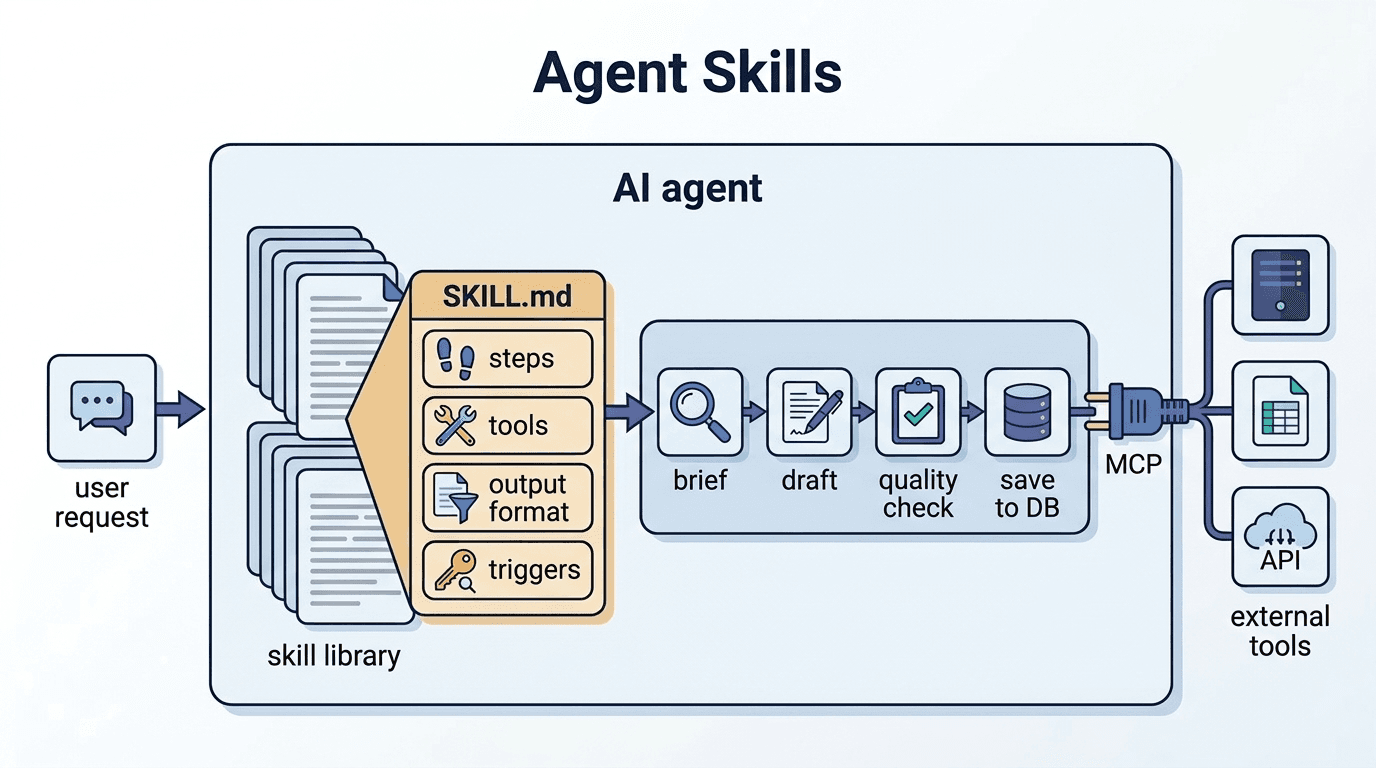
Agent Skills are reusable instruction sets defined to enable AI agents to perform specific tasks or areas of expertise, functioning as modular units that extend the capabilities of an agent.
When AI agents evolve from "general-purpose tools that can do anything" to "specialists that reliably handle specific tasks," the difference comes down to Skills design.
Taking Claude Code as an example, Skills are defined as Markdown files. By describing execution steps, tools to use, output formats, and trigger keywords, a user simply saying "write an SEO article" activates the relevant Skill, which handles everything end-to-end — from brief confirmation to writing, quality checks, and database registration.
In the OpenClaw ecosystem, over 5,700 community-created Skills are shared on a marketplace. There are even cases where agents write their own code to generate new Skills, and a self-expansion mechanism — where capabilities grow on demand — is steadily taking shape.
The key to designing Skills is finding the right granularity. Too coarse, and they become overly generic with reduced accuracy; too fine, and the number of Skills explodes, driving up management costs. In the author's experience, a granularity of "one Skill corresponds to one user action" tends to be just right.
While MCP handles the connection between agents and external tools, Skills handle the internal workflow and decision logic within the agent. The two are complementary.
Articles covering this term
- What Are AI Agent Protocols (MCP & A2A)? How Multi-Agent Collaboration WorksLearn how AI agent protocols like MCP and A2A work. A foundational guide to tool integration and inter-agent communication design in multi-agent systems.
- AI Agent Governance Framework Implementation Guide — Oversight Design to Prevent Agent DriftEliminate the biggest barrier to production-ready autonomous agents: lack of governance. Step-by-step guide to preventing agent drift and designing accountability.
- Claude Code Team Adoption Guide — How to Standardize Your Development Workflow with CLAUDE.md, Skills, and HooksA practical guide to adopting Claude Code for dev teams. Boost productivity with CLAUDE.md context management, reusable Skills workflows, and Hooks automation.
- Practical Guide to AI Coding Agents — How Claude Code vs Codex Will Transform Your Development TeamClaude Code excels at real-time collaboration; Codex at autonomous cloud execution. Compare both with our benchmark data, plus a task-based selection strategy and decision flowchart.


Related Terms
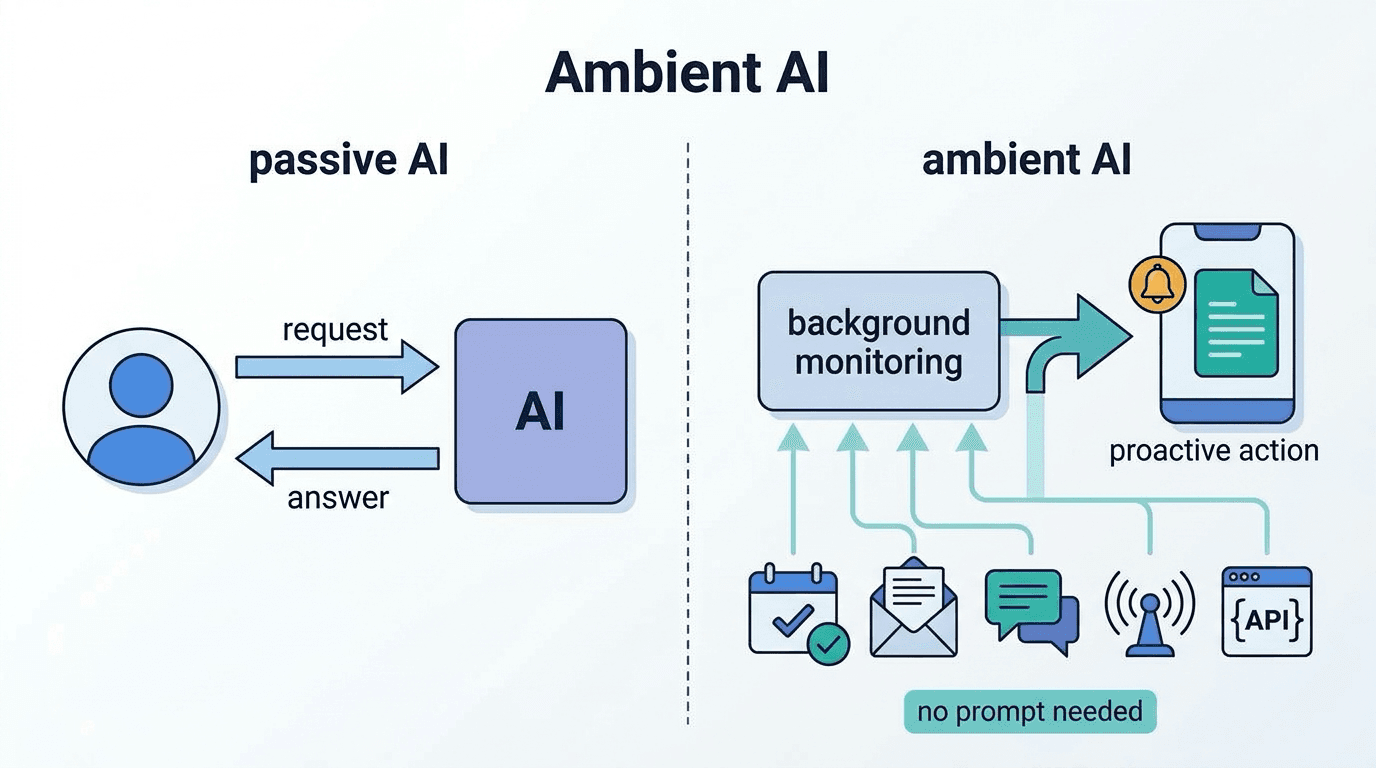
Ambient AI
Ambient AI refers to an AI system that is seamlessly embedded in the user's environment, continuousl
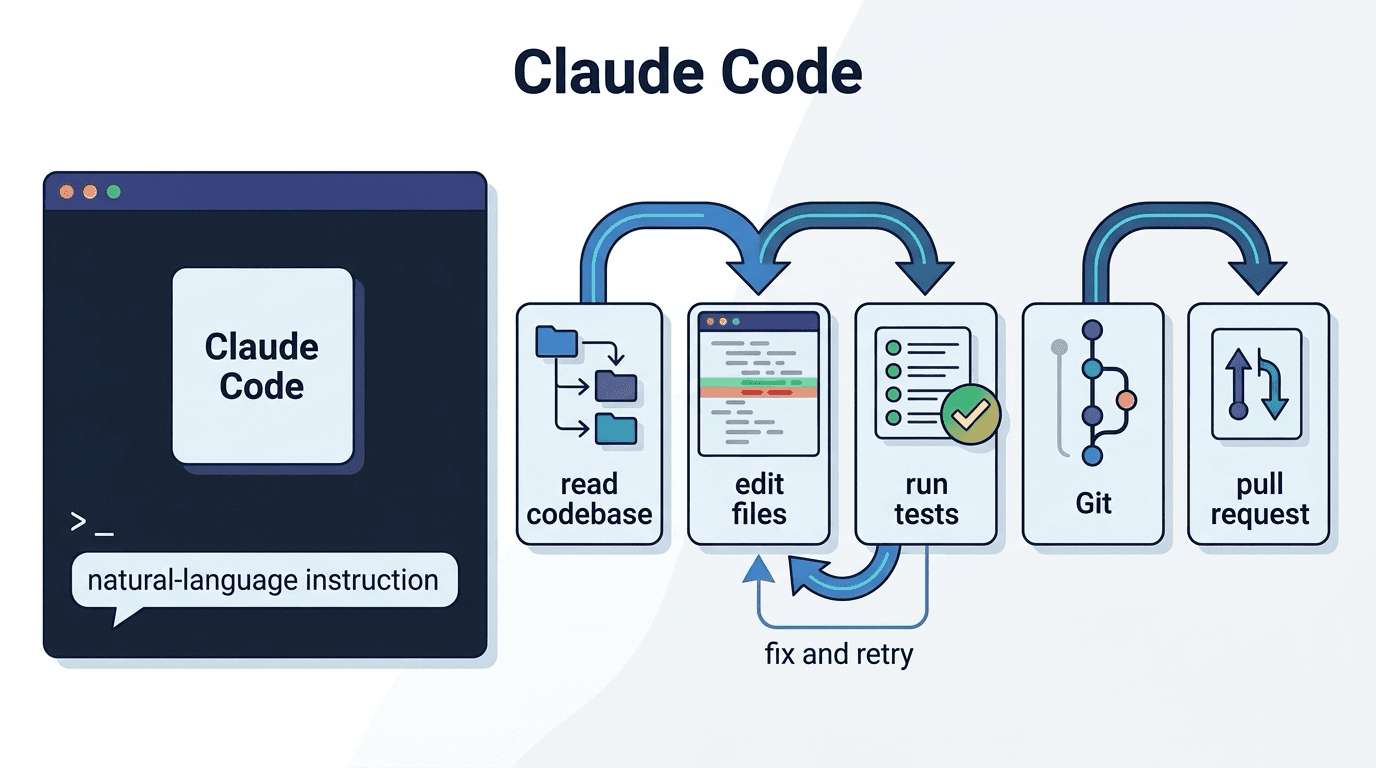
Claude Code
Claude Code is a terminal-resident AI coding agent developed by Anthropic. It is a CLI tool that ena
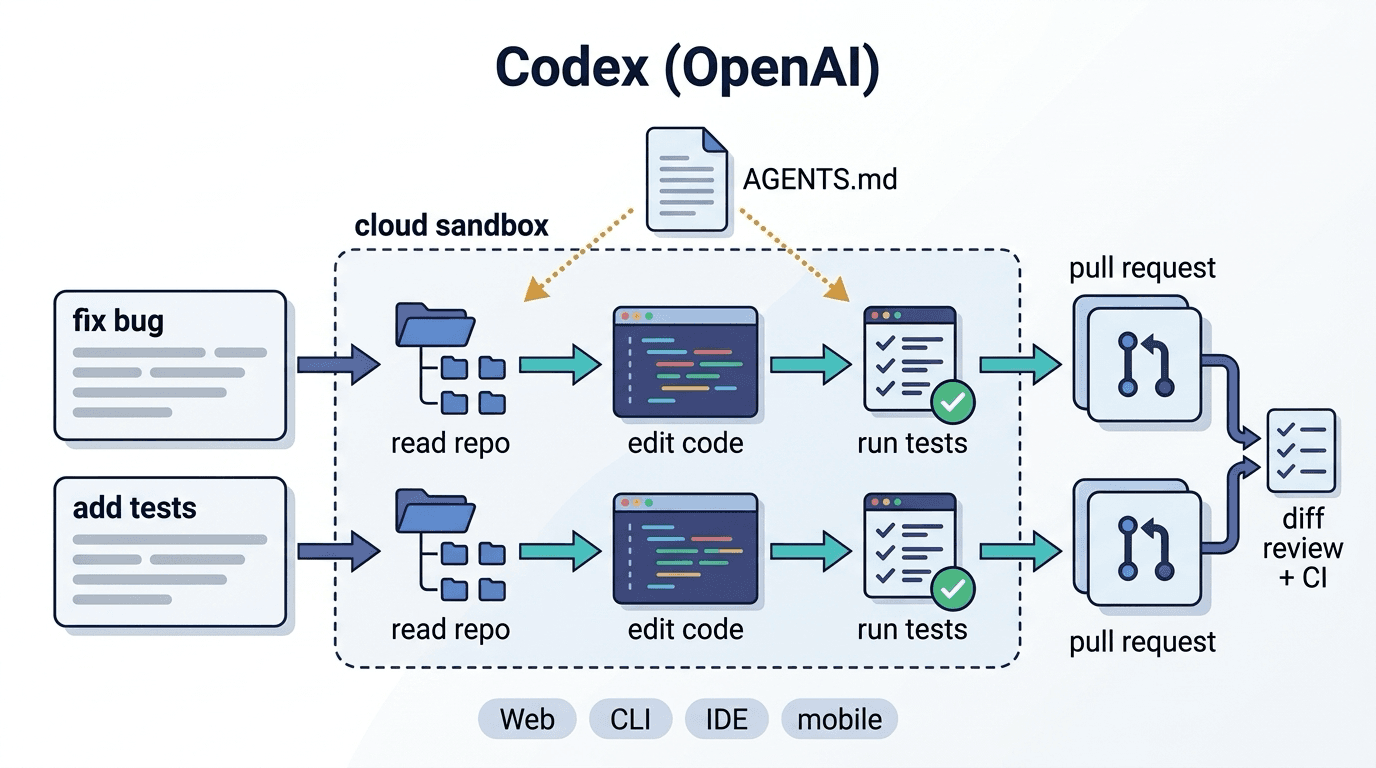
Codex (OpenAI)
Codex is OpenAI's AI coding agent. It reads a repository and carries a task through implementation,
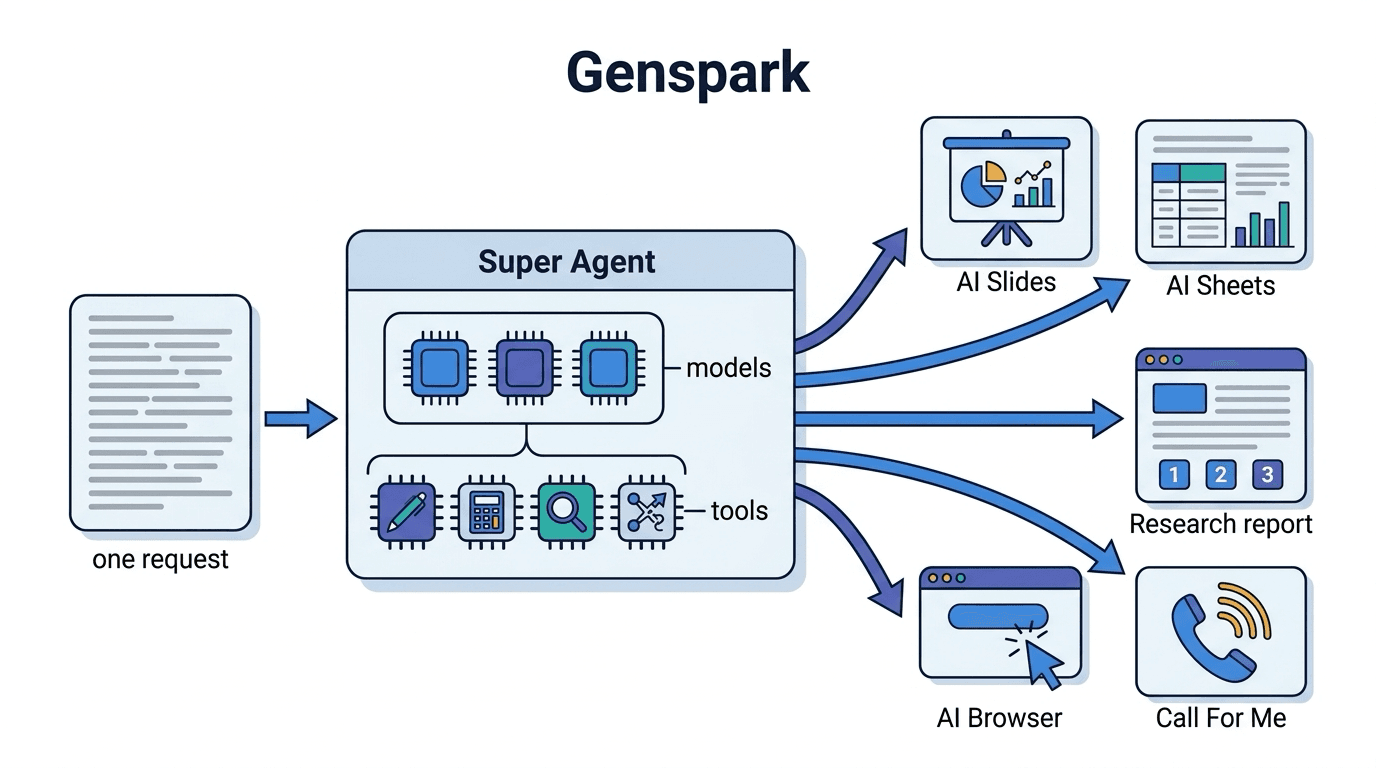
Genspark
Genspark is an AI workspace in which AI agents take on research, slide and spreadsheet creation, and