Claude Code
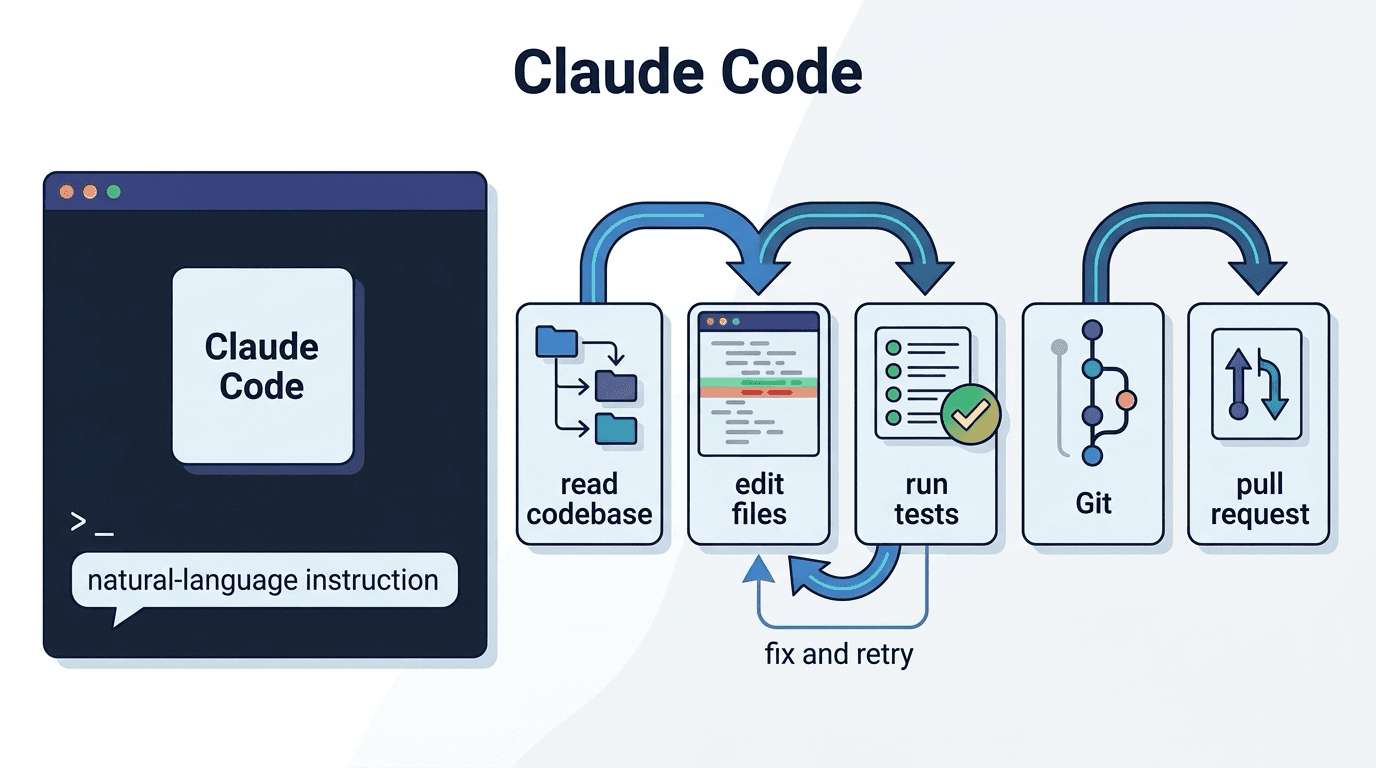
Claude Code is a terminal-resident AI coding agent developed by Anthropic. It is a CLI tool that enables users to consistently perform codebase comprehension, editing, test execution, and Git operations through natural language instructions.
There are many AI coding assistants that run as IDE plugins, but Claude Code takes a somewhat different approach. It lives in the terminal, reads the entire project's file structure, dependencies, and commit history, then handles everything from file editing to running tests and creating pull requests based on the developer's instructions. It feels almost like having a "pair programmer with full codebase context" right in your terminal.
One standout feature is its integration with the Agent SDK. Developers can reuse Claude Code's toolset as a foundation for building custom automation workflows. For example, a sequence like "read an Issue, write a fix, pass the tests, and open a PR" can be automated with human approval checkpoints along the way.
It also supports multi-agent functionality, where a lead agent breaks tasks into subtasks and assigns them to multiple Claude Code instances running in parallel, then merges the results. This is particularly powerful for large-scale refactoring and cross-cutting changes.
It also supports MCP (Model Context Protocol), so by connecting external services like Supabase or Slack as tools, you can perform database operations and send messages directly from the terminal.
My team uses it on a daily basis, and we've genuinely noticed fewer rework cycles — especially for self-review before code reviews and for automating the addition of tests.
Articles covering this term
- Practical Guide to AI Coding Agents — How Claude Code vs Codex Will Transform Your Development TeamClaude Code excels at real-time collaboration; Codex at autonomous cloud execution. Compare both with our benchmark data, plus a task-based selection strategy and decision flowchart.
- Claude Code Team Adoption Guide — How to Standardize Your Development Workflow with CLAUDE.md, Skills, and HooksA practical guide to adopting Claude Code for dev teams. Boost productivity with CLAUDE.md context management, reusable Skills workflows, and Hooks automation.
- What Are AI Agent Protocols (MCP & A2A)? How Multi-Agent Collaboration WorksLearn how AI agent protocols like MCP and A2A work. A foundational guide to tool integration and inter-agent communication design in multi-agent systems.
- What Is the Anthropic Claude Official Plugin? Explaining claude-code-setup and 35 Anthropic-Made PluginsLearn Anthropic's official plugins & claude-code-setup. Covers 5 categories (MCP, Skills, Hooks), 35 Anthropic plugins, and how to distinguish "official" from "Anthropic-made."


Related Terms
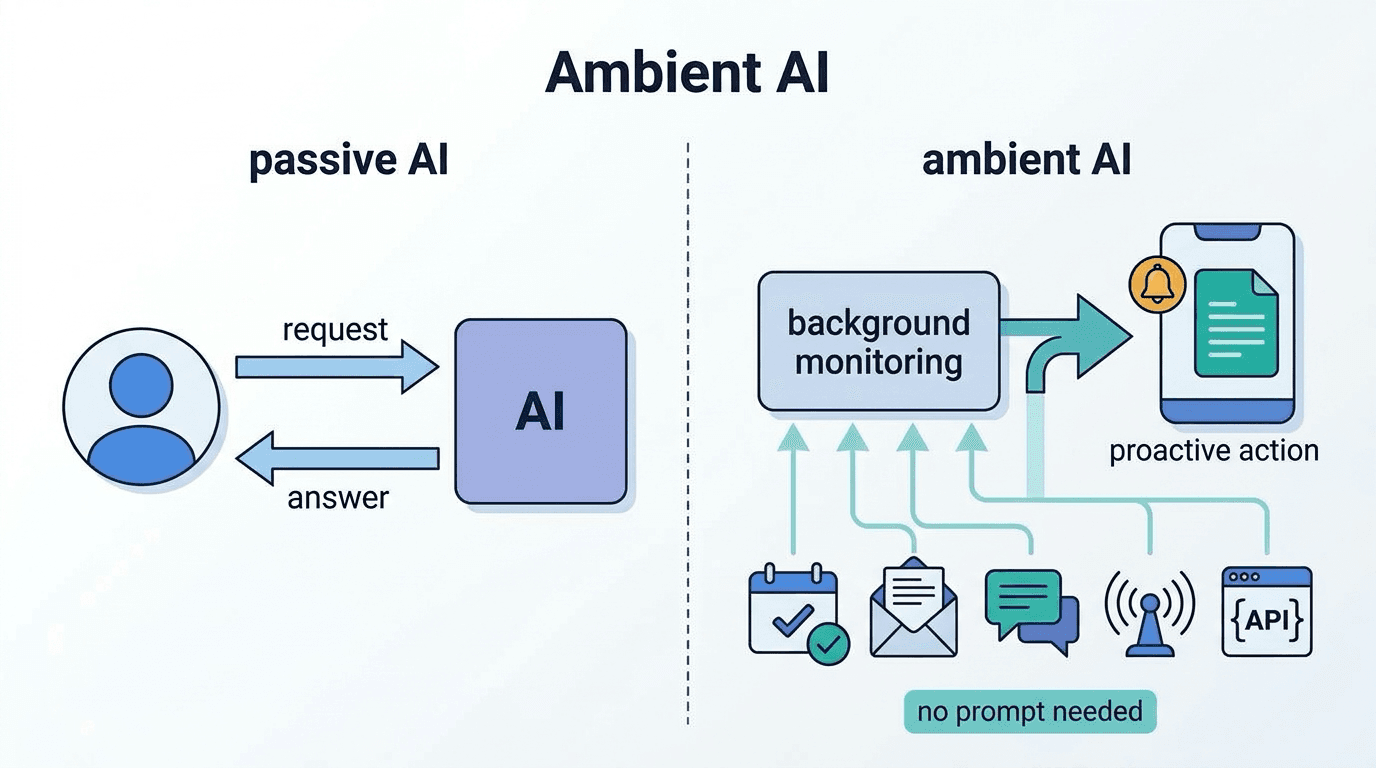
Ambient AI
Ambient AI refers to an AI system that is seamlessly embedded in the user's environment, continuousl
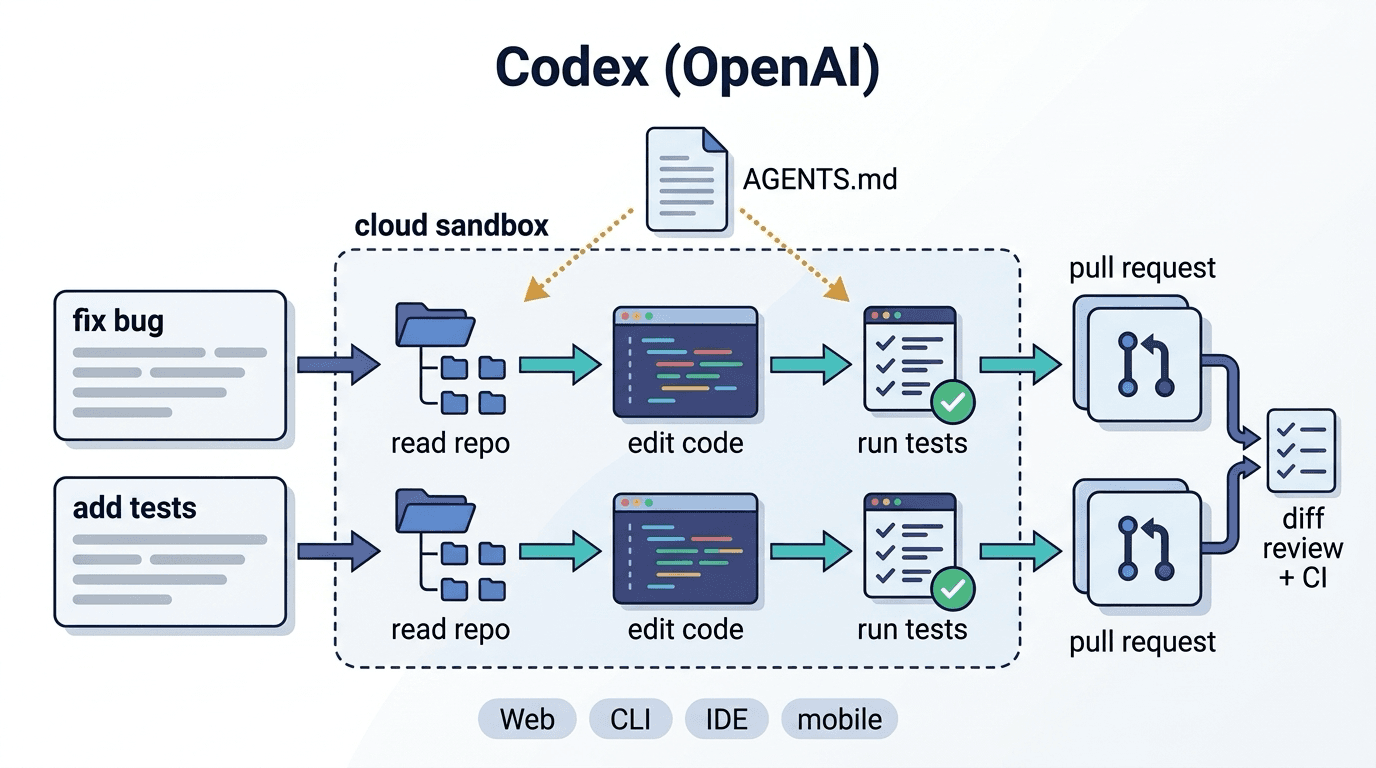
Codex (OpenAI)
Codex is OpenAI's AI coding agent. It reads a repository and carries a task through implementation,
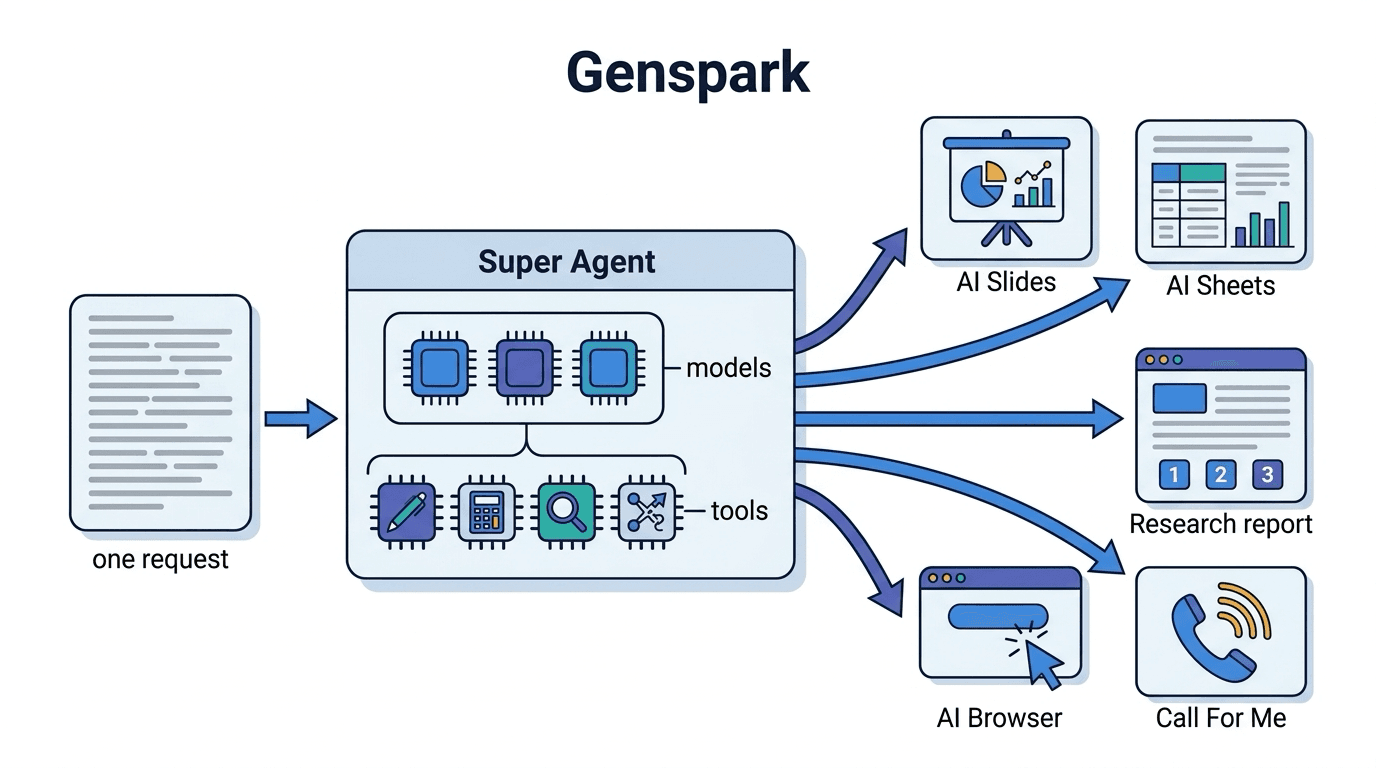
Genspark
Genspark is an AI workspace in which AI agents take on research, slide and spreadsheet creation, and
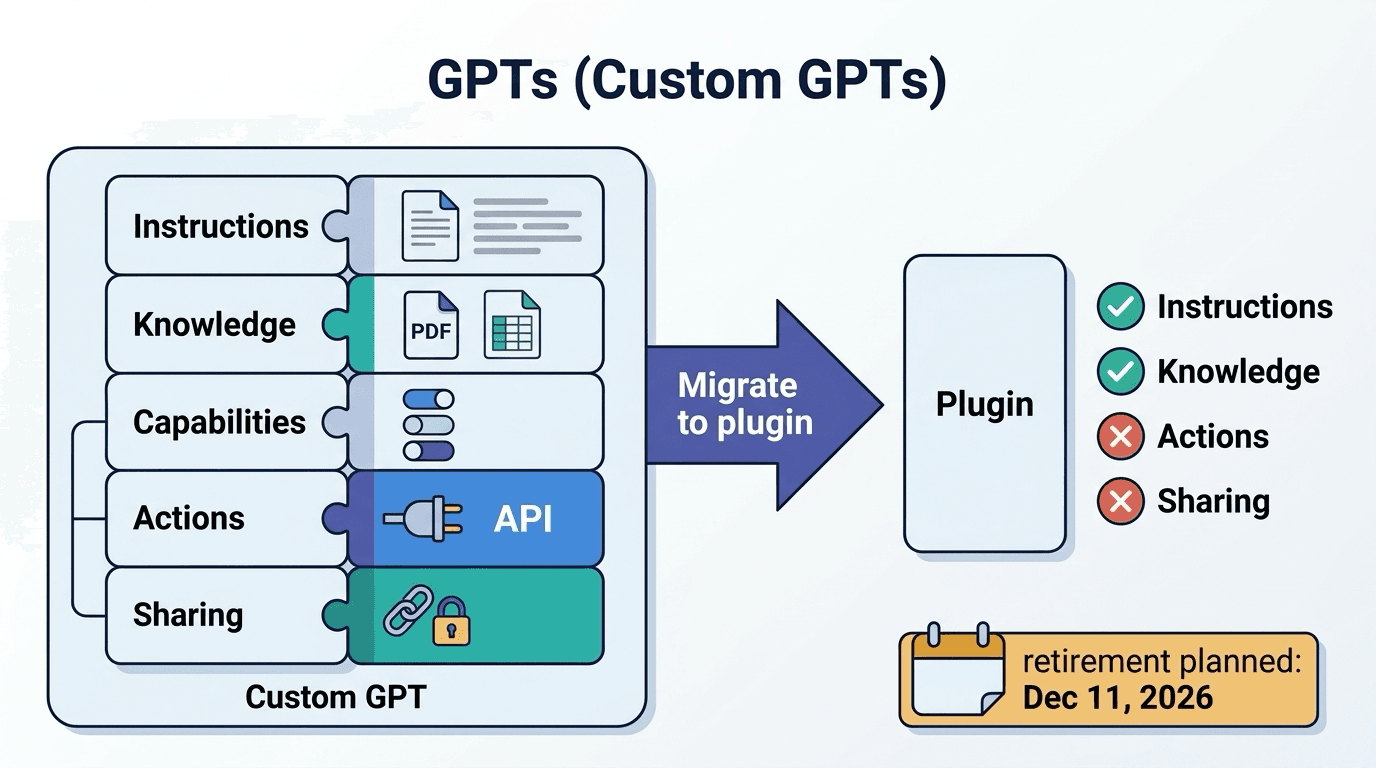
GPTs (custom GPTs)
GPTs are custom versions of ChatGPT built for a specific task by configuring instructions, reference