Ambient AI
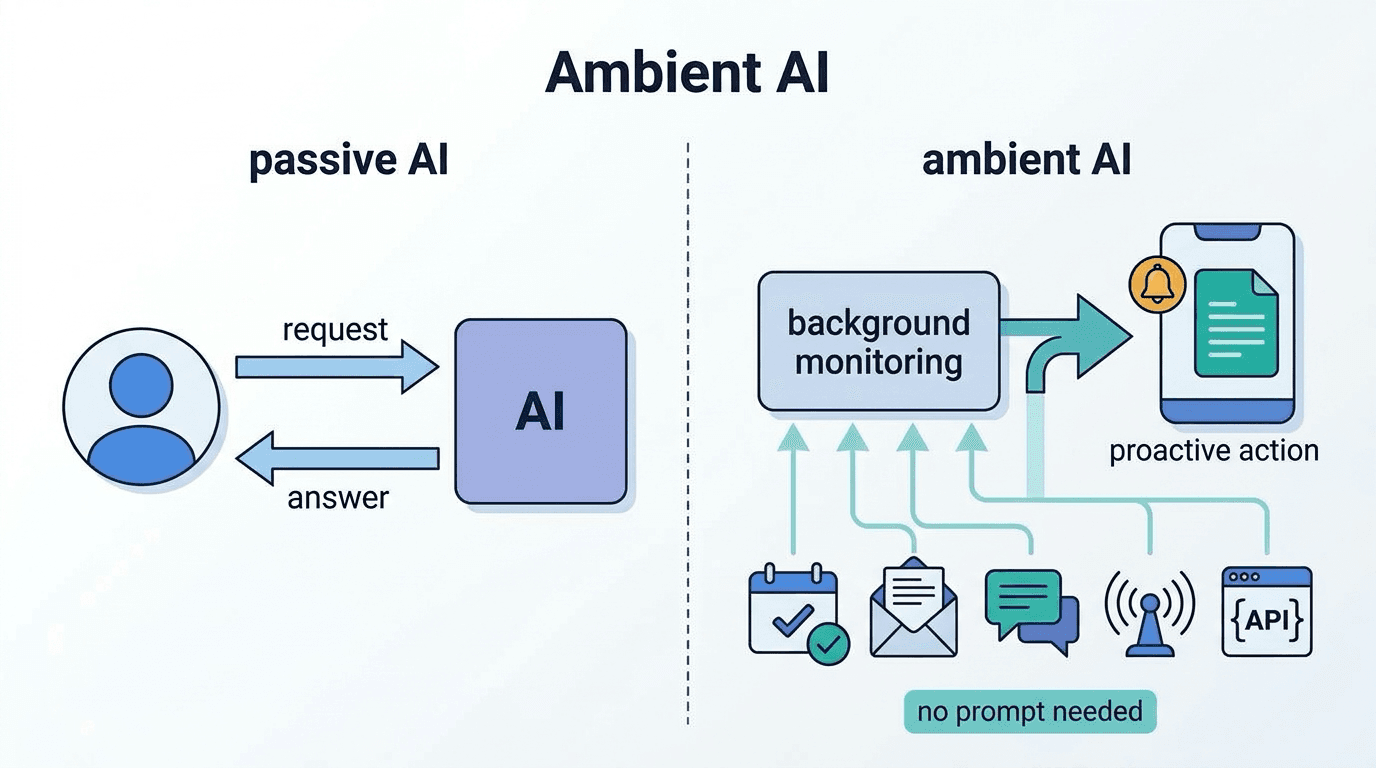
Ambient AI refers to an AI system that is seamlessly embedded in the user's environment, continuously monitoring sensor data and events to proactively take action without requiring explicit instructions.
Starting with a familiar example makes it easier to understand. Before you even open your smartphone in the morning, a notification arrives: "Your meeting today starts in 10 minutes. I've prepared a meeting minutes template." You didn't ask anyone. It checked your calendar, inferred the necessary actions from past meeting patterns, and acted proactively — this is how Ambient AI behaves.
Traditional AI was a passive entity that "answered when asked." Ambient AI overturns that premise. It continuously monitors environmental information in the background — emails, Slack, calendars, sensor data, API events — and handles tasks before the user is even aware of them. LangChain calls this an "Ambient Agent" and defines it as a form of AI that does not rely on prompt input.
Tracing its roots leads back to research on "Ambient Intelligence" published by NTT in 2016. The concept involved using IoT sensors to perceive a space and automatically adjust air conditioning and lighting in response to human behavior. It was a hardware-driven approach, but with the emergence of LLMs, the same goal has become achievable from the software side as well. Over the course of a decade, hardware and software have converged.
The fact that Samsung's Galaxy AI and Google's Android are beginning to integrate Ambient AI at the device level is a natural extension of this trend. The fundamental premise of smartphones — "open the screen and interact" — is itself beginning to change, and the expression "AI becomes the UI" has started to emerge.
In the developer context, OpenClaw embodies this philosophy as a self-hosted agent running 24 hours a day. Agents are no longer "tools you call upon when needed," but rather "a presence that is always there and reaches out to you when necessary." That boundary is being redrawn right now.
Articles covering this term
- What is AI-Native UI? The Design Philosophy of Generative AI Dynamically Creating ScreensExplore AI-native UI: where forms and menus are replaced by AI-generated interfaces. Learn core concepts, design patterns, and real-world business applications.
- What Are AI Agents? A Next-Generation AI Utilization Guide for Thai Businesses to Autonomously Automate OperationsLearn how AI agents work and how Thai businesses can use them. Discover differences from chatbots, implementation steps, and real use cases.
- What is Edge AI? How On-Device LLMs Work and How to Choose One for BusinessLearn the basics of edge AI & on-device LLMs, and how to design workflows requiring low latency, data privacy, or unstable connectivity—where cloud LLMs fall short.
- What is AI Observability? A Practical Guide to Monitoring LLMs in ProductionFrom AI observability basics to tracing, evaluation, and cost management for production LLM apps—learn key implementation steps and tool selection tips.


Related Terms
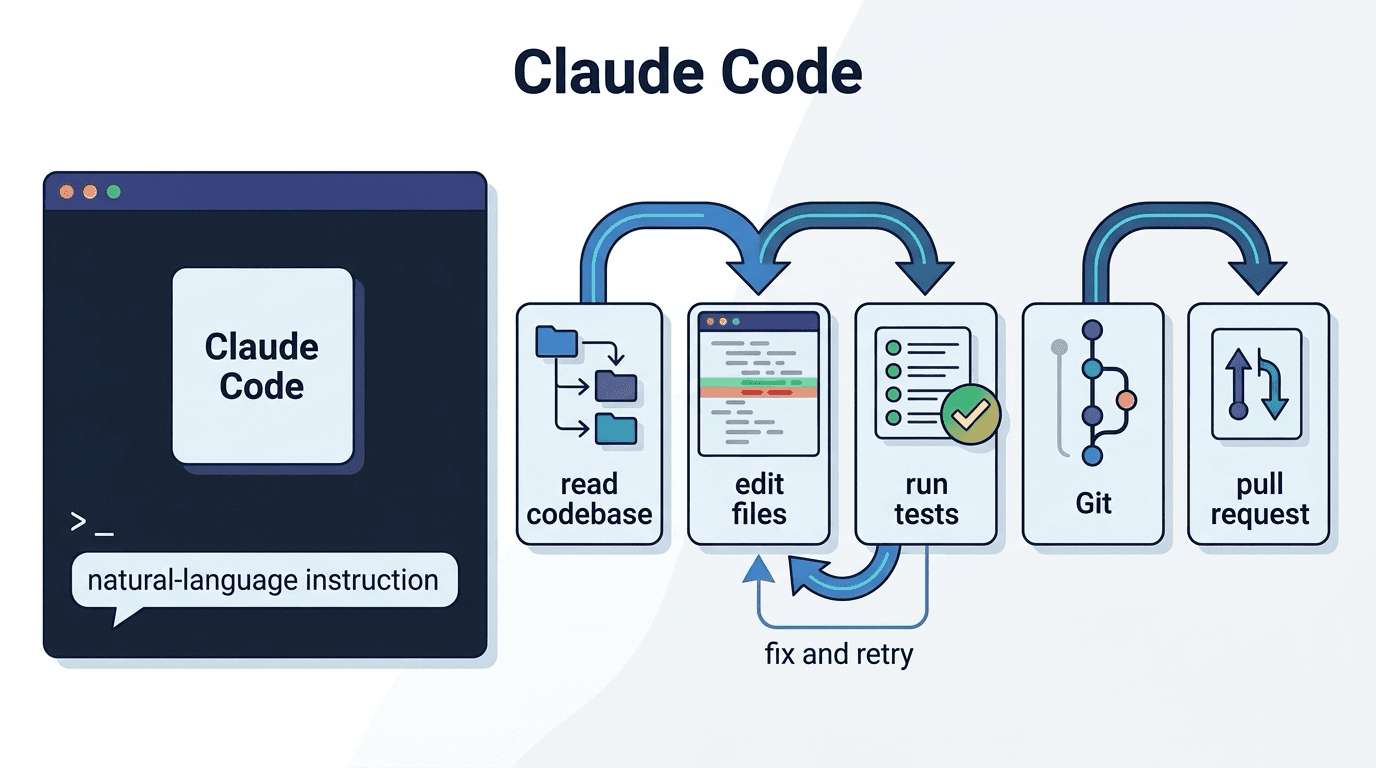
Claude Code
Claude Code is a terminal-resident AI coding agent developed by Anthropic. It is a CLI tool that ena
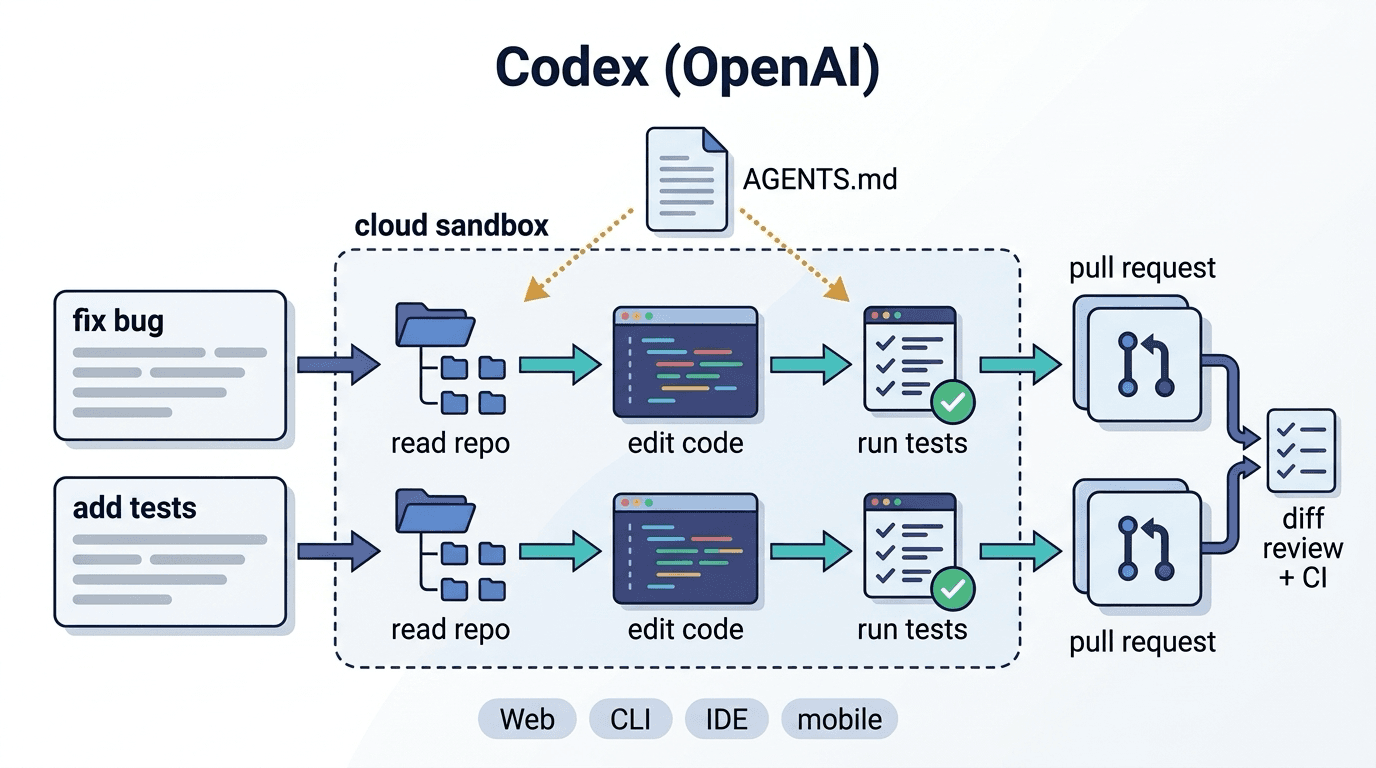
Codex (OpenAI)
Codex is OpenAI's AI coding agent. It reads a repository and carries a task through implementation,
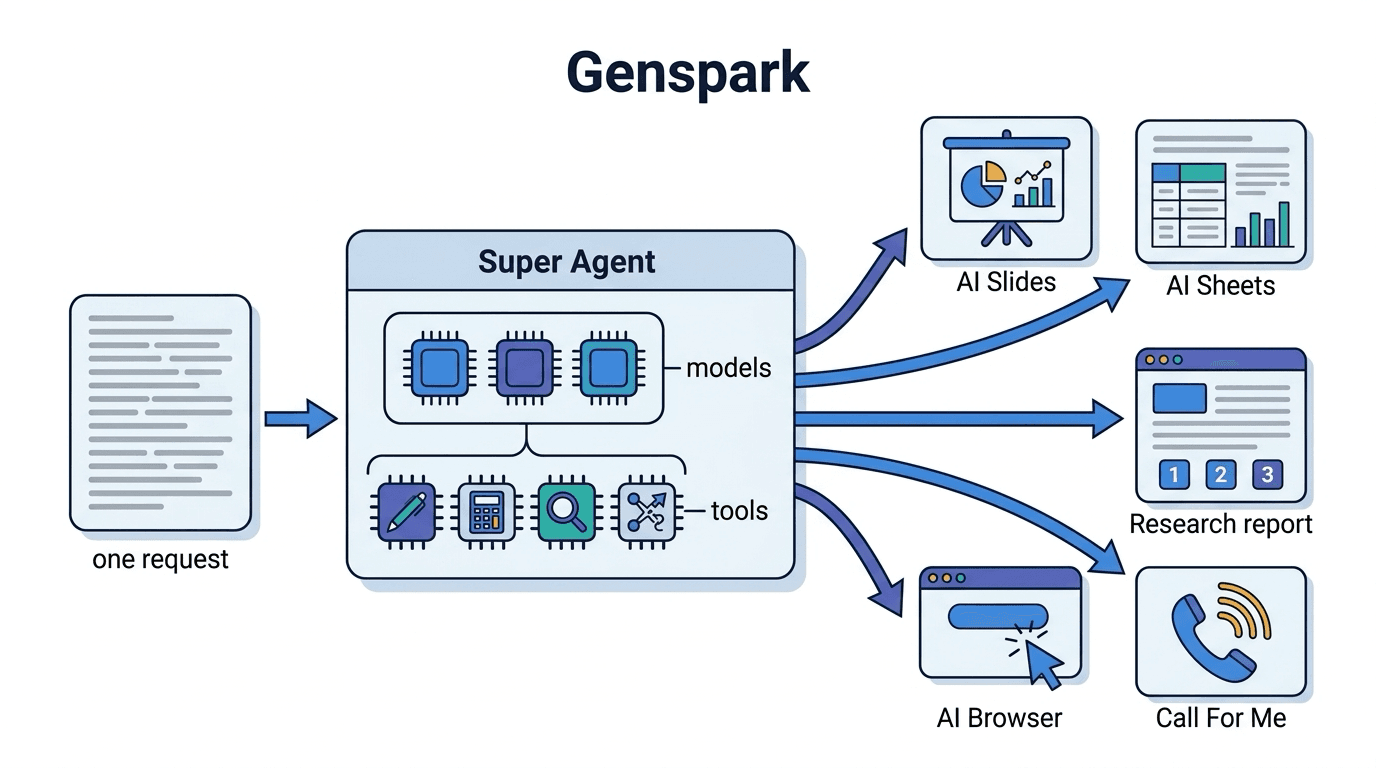
Genspark
Genspark is an AI workspace in which AI agents take on research, slide and spreadsheet creation, and
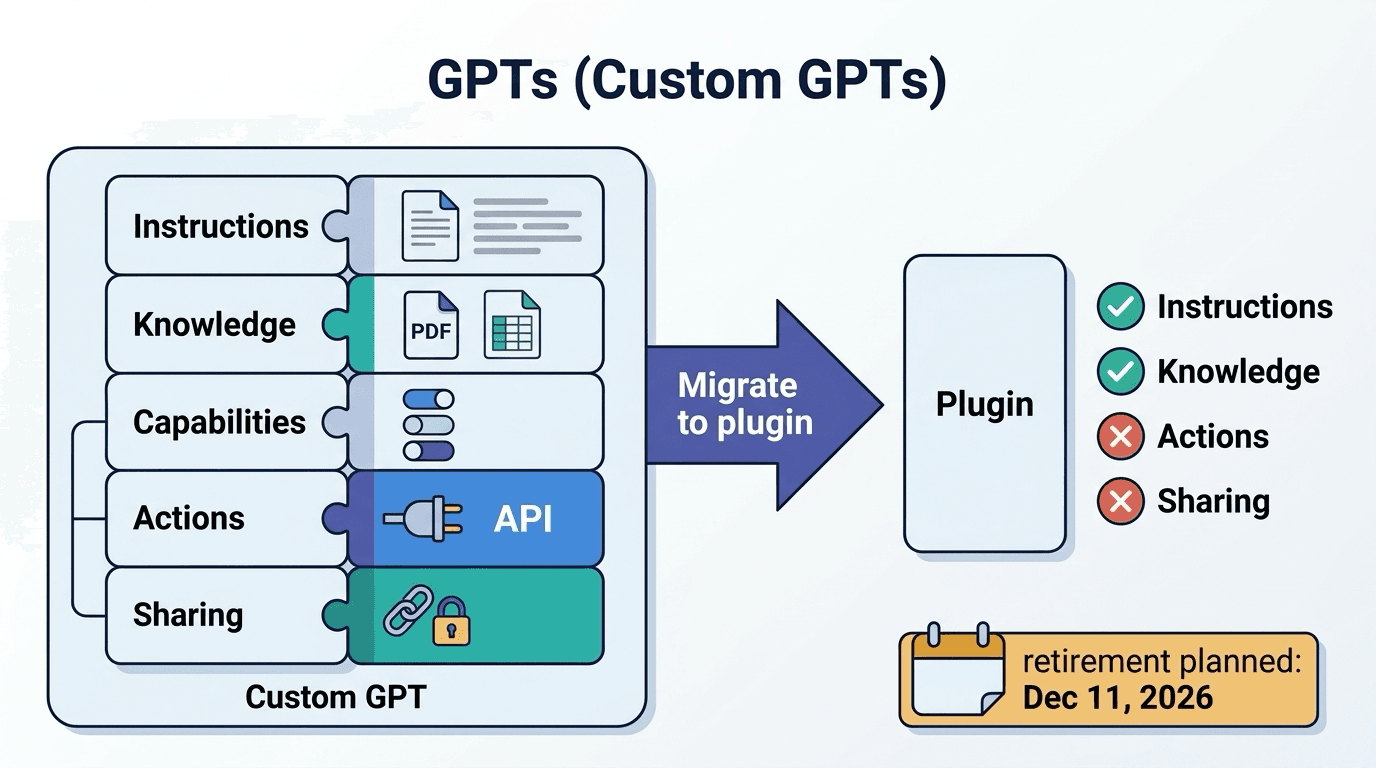
GPTs (custom GPTs)
GPTs are custom versions of ChatGPT built for a specific task by configuring instructions, reference