Agent Orchestration

A mechanism that controls task distribution, state management, and coordination flows among multiple AI agents.
What is Agent Orchestration
Agent orchestration is a mechanism for distributing tasks across multiple AI agents while managing the state and coordination flow of each agent. It resolves complex workflows that a single agent cannot handle alone by enabling collaboration among specialized agents.
Why "Orchestration"?
Just as an orchestra conductor controls when each instrument plays and at what tempo, an orchestrator manages "which agent," "when," and "in what order" each agent operates. For example, in a sales support workflow, processing is handed off sequentially: a research agent → a proposal drafting agent → a review agent.
Major Frameworks
Mastra, LangGraph, CrewAI, and others provide orchestration capabilities. Design patterns fall broadly into two categories:
- Sequential pipeline: A serial model in which the output of Agent A becomes the input of Agent B. Predictable and easy to debug.
- Dynamic routing: The next agent to be called is determined dynamically based on results. Flexible, but difficult to control.
Integration with HITL
In practice, rather than automating the entire process, it is recommended to design workflows that incorporate HITL (Human-in-the-Loop) at high-risk decision points. The orchestrator evaluates a confidence score and, when it falls below a threshold, routes the task to a human review queue — this sparse supervision model is a practical solution for balancing autonomy and safety.
Articles covering this term
- What Is AI Agent Orchestration? Design and Operations for Coordinating Multiple AgentsFrom basics of multi-agent AI orchestration to Planner-Executor patterns, job scheduling, and observability design—explained through our B2B implementation perspective.
- Practical Guide to Multi-Agent Orchestration DesignLearn how to design coordinated multi-agent systems. Covers role allocation, communication design, and error handling with concrete architecture diagrams.
- What Are AI Agent Protocols (MCP & A2A)? How Multi-Agent Collaboration WorksLearn how AI agent protocols like MCP and A2A work. A foundational guide to tool integration and inter-agent communication design in multi-agent systems.
- What Is AI Cross-Supply Chain Integration? A Design Approach to Breaking Down Silos and Achieving ROIDiscover how to design AI integration architecture across manufacturing, procurement, and logistics data silos—and solve the data quality issues blocking ROI for 89% of companies.


Related Terms
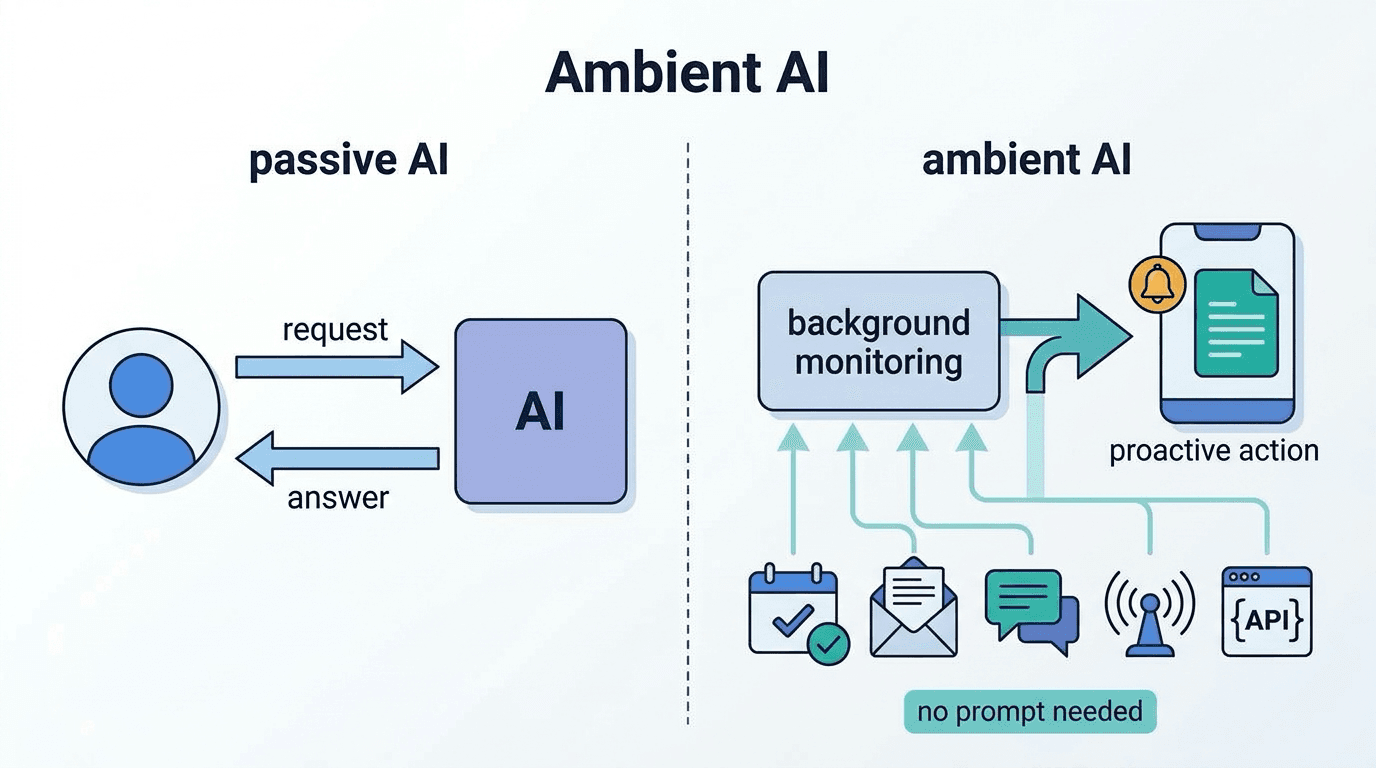
Ambient AI
Ambient AI refers to an AI system that is seamlessly embedded in the user's environment, continuousl
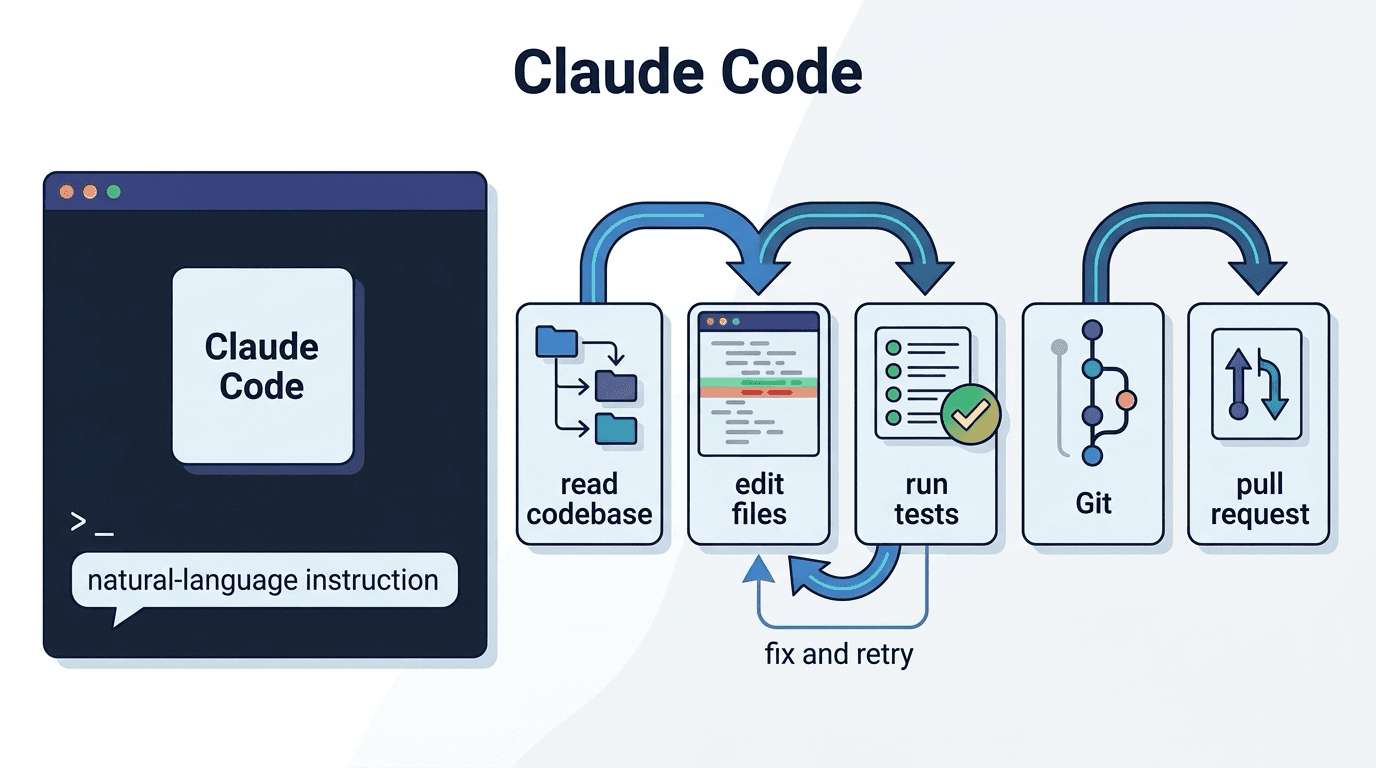
Claude Code
Claude Code is a terminal-resident AI coding agent developed by Anthropic. It is a CLI tool that ena
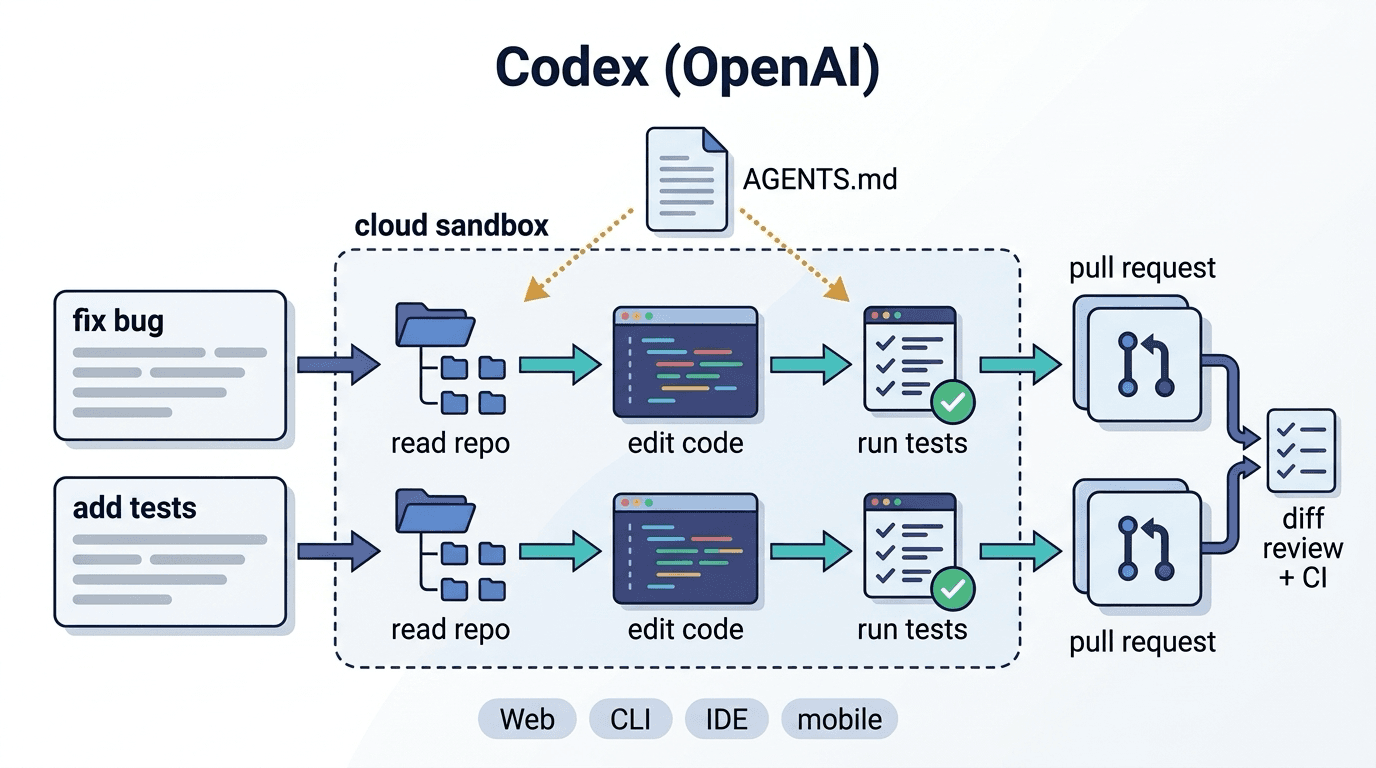
Codex (OpenAI)
Codex is OpenAI's AI coding agent. It reads a repository and carries a task through implementation,
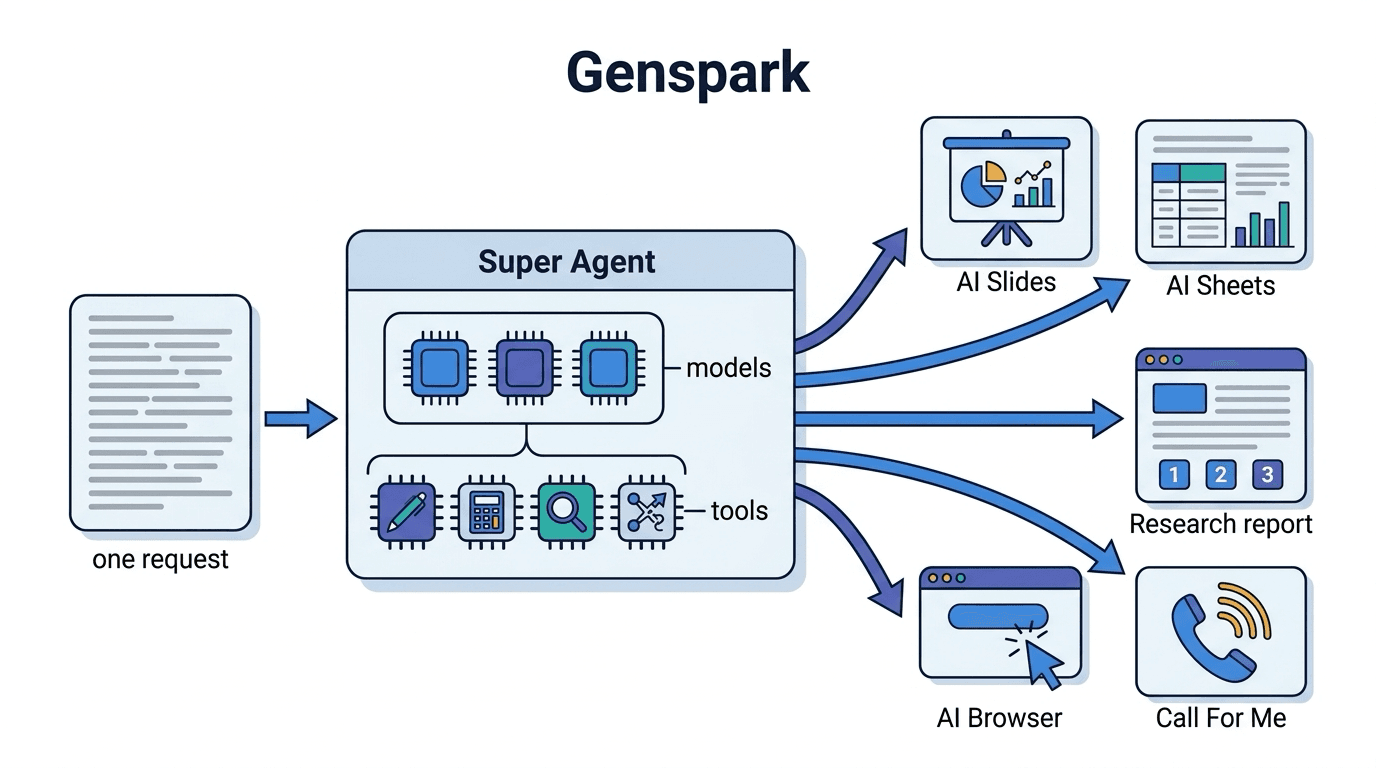
Genspark
Genspark is an AI workspace in which AI agents take on research, slide and spreadsheet creation, and