GPTs (custom GPTs)
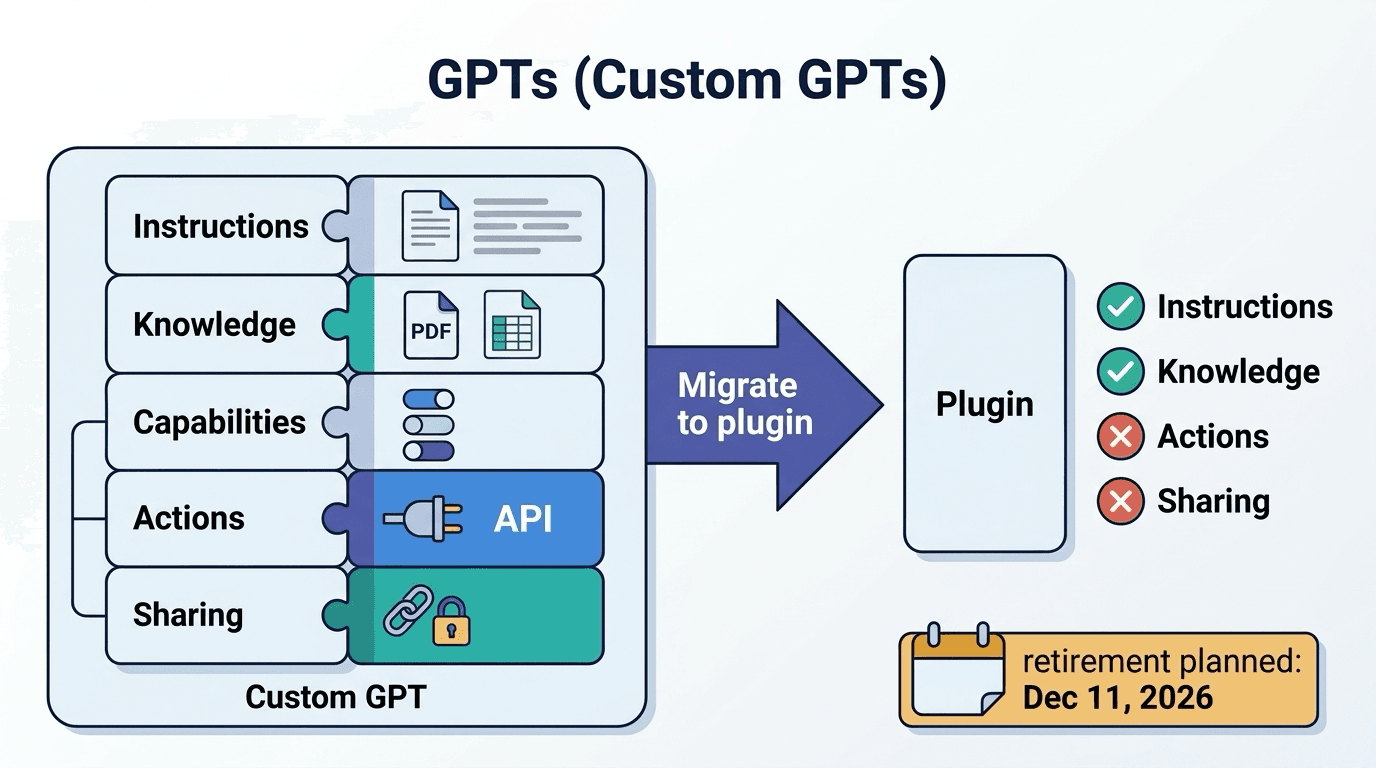
GPTs are custom versions of ChatGPT built for a specific task by configuring instructions, reference files and external integrations. OpenAI has announced it will retire GPTs and move them to plugins.
GPTs (custom GPTs) are versions of ChatGPT tailored to a specific job by combining role instructions, reference files and connections to external APIs. Because anyone could build one without code, such as an assistant that answers questions about internal policies or one that drafts press releases in the company's voice, GPTs became a common first step for using generative AI at work.
OpenAI has since announced, in its official help center, that it will retire GPTs and move them to plugins. If you are looking into GPTs now, the first thing to understand is how to migrate the GPTs you already have.
What a GPT is made of
- Instructions: role, tone, things to avoid, answer format
- Knowledge: uploaded PDFs or spreadsheets
- Capabilities: web search, image generation and data analysis, each switchable
- Actions: calls to external APIs to look up or update business systems
- Sharing: only me, anyone with the link, my organization, or the public GPT Store
Retirement and migration timeline
According to OpenAI's Custom GPT retirement and migration FAQ:
| Item | Details |
|---|---|
| New GPTs | Personal accounts (Free / Go / Plus / Pro) can no longer create or publish new GPTs, and new creation in organization workspaces is also scheduled to end |
| Existing GPTs | Usable until retirement; you can keep editing GPTs you created, within your plan and permissions |
| Migration | Choose "Migrate to plugin" in My GPTs (rolling out account by account) |
| Retirement | Planned for December 11, 2026, with a deferral for some enterprise workspaces |
The dates may change, so check the help center before making decisions.
What does not carry over
Plugins bundle reusable instructions, reference files and connected apps. However, a GPT's sharing settings are not migrated, and a migrated plugin starts out private. Actions (custom API integrations) do not transfer either and have to be rebuilt.
Businesses that shared a GPT with external customers through a link are the most affected.
What organizations should do now
- Inventory the GPTs in use: who built them, who uses them and for what
- Collect the files uploaded to Knowledge and decide where the originals live
- List the APIs and credentials used in Actions so they can be rebuilt in plugins
- For GPTs whose document search was never accurate enough, consider moving to an internal RAG system or an AI agent
Instructions can be rewritten with the same principles as a system prompt. Our agto platform lets AI take on work inside team chat, and our AI & DX services help design the migration.
Related Terms
Ambient AI
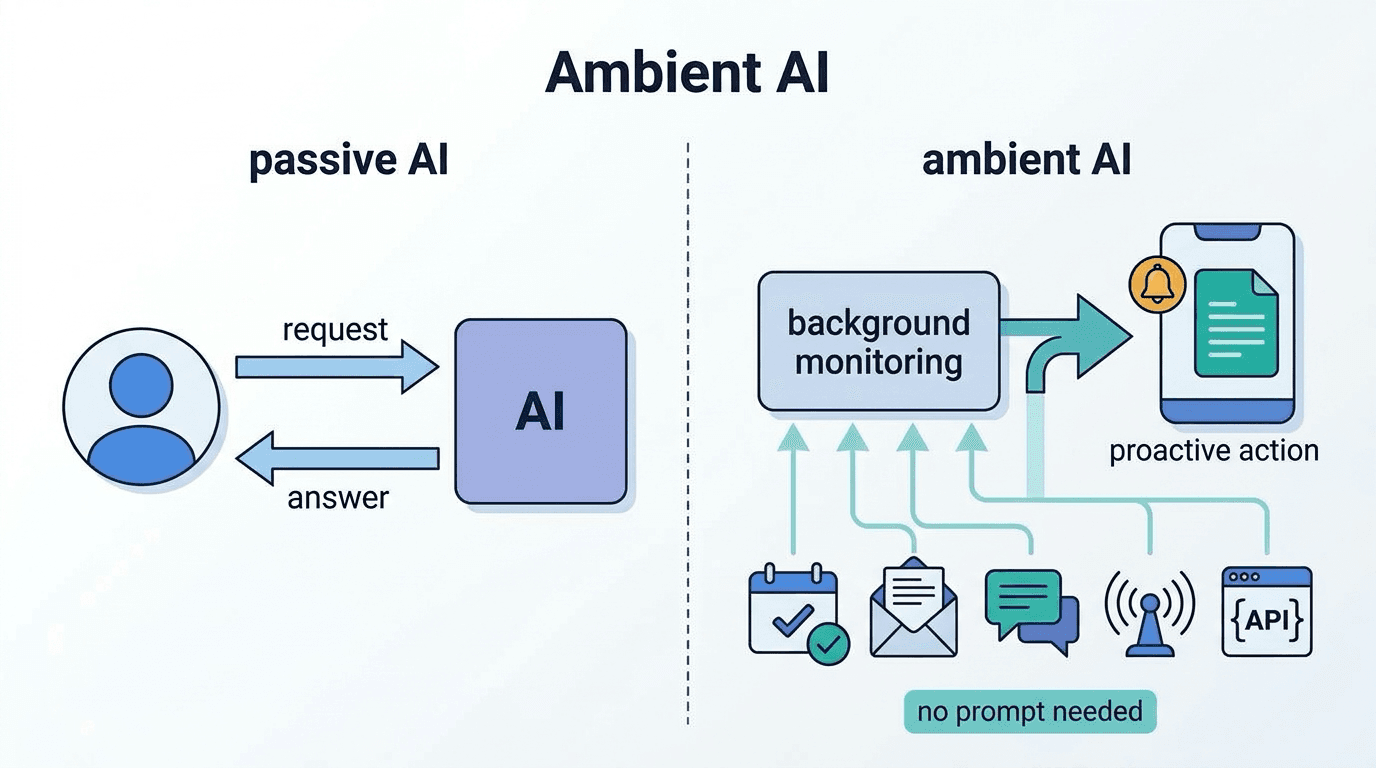
Ambient AI refers to an AI system that is seamlessly embedded in the user's environment, continuousl
Claude Code
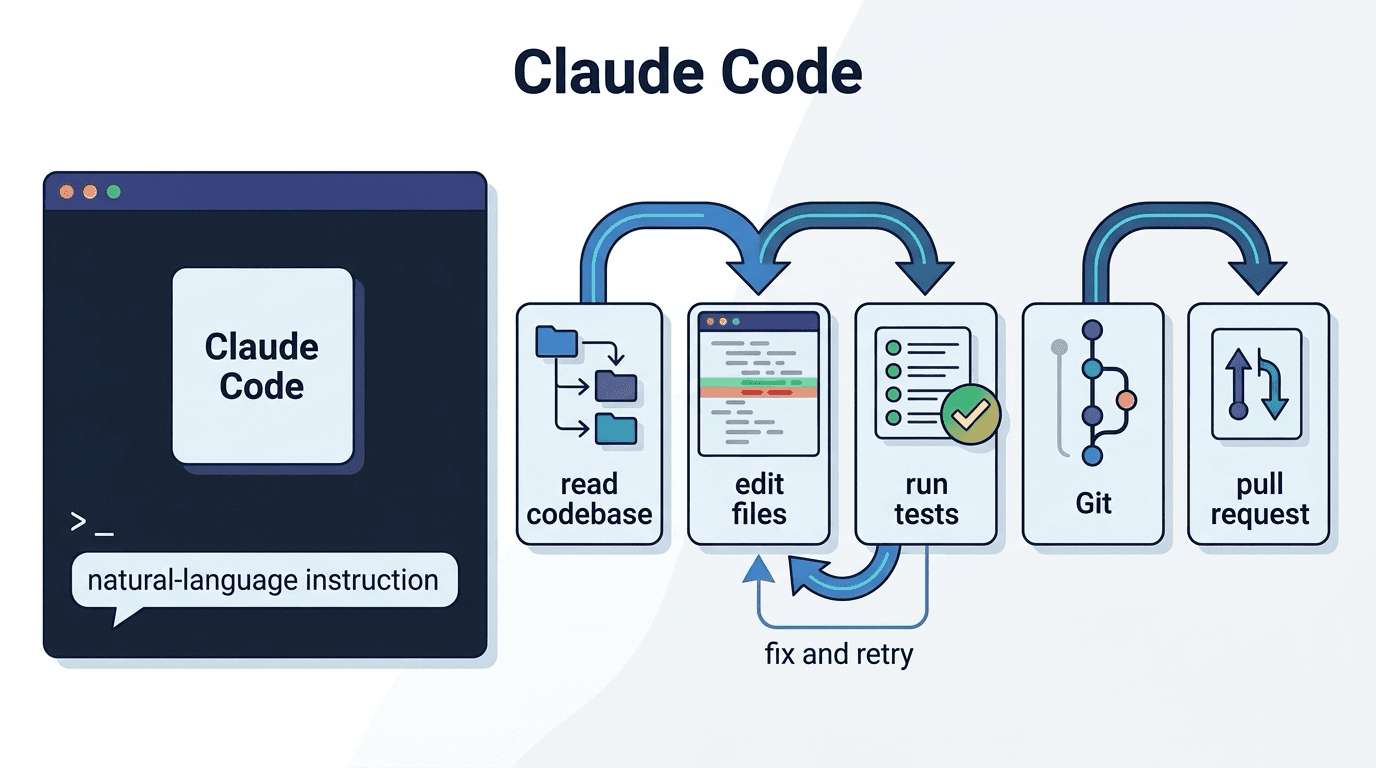
Claude Code is a terminal-resident AI coding agent developed by Anthropic. It is a CLI tool that ena
Codex (OpenAI)
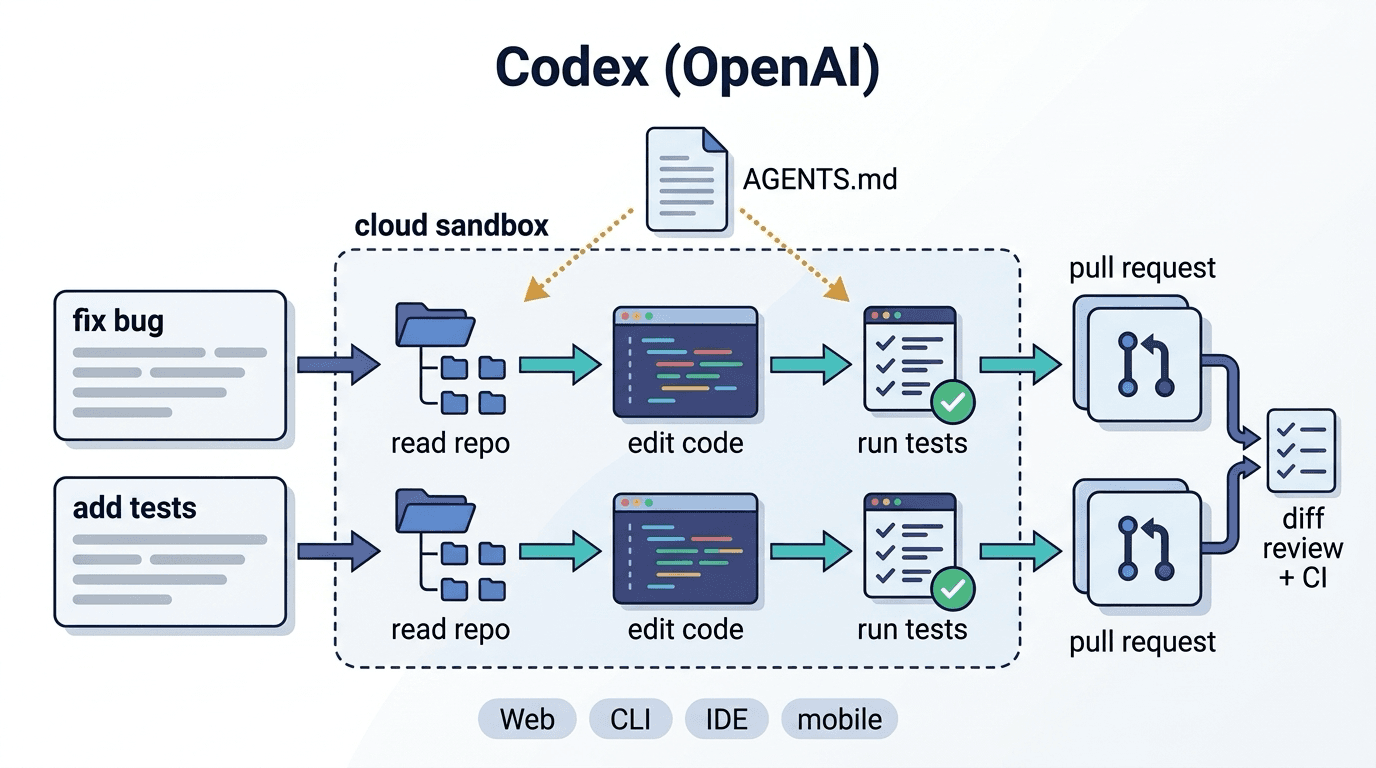
Codex is OpenAI's AI coding agent. It reads a repository and carries a task through implementation,
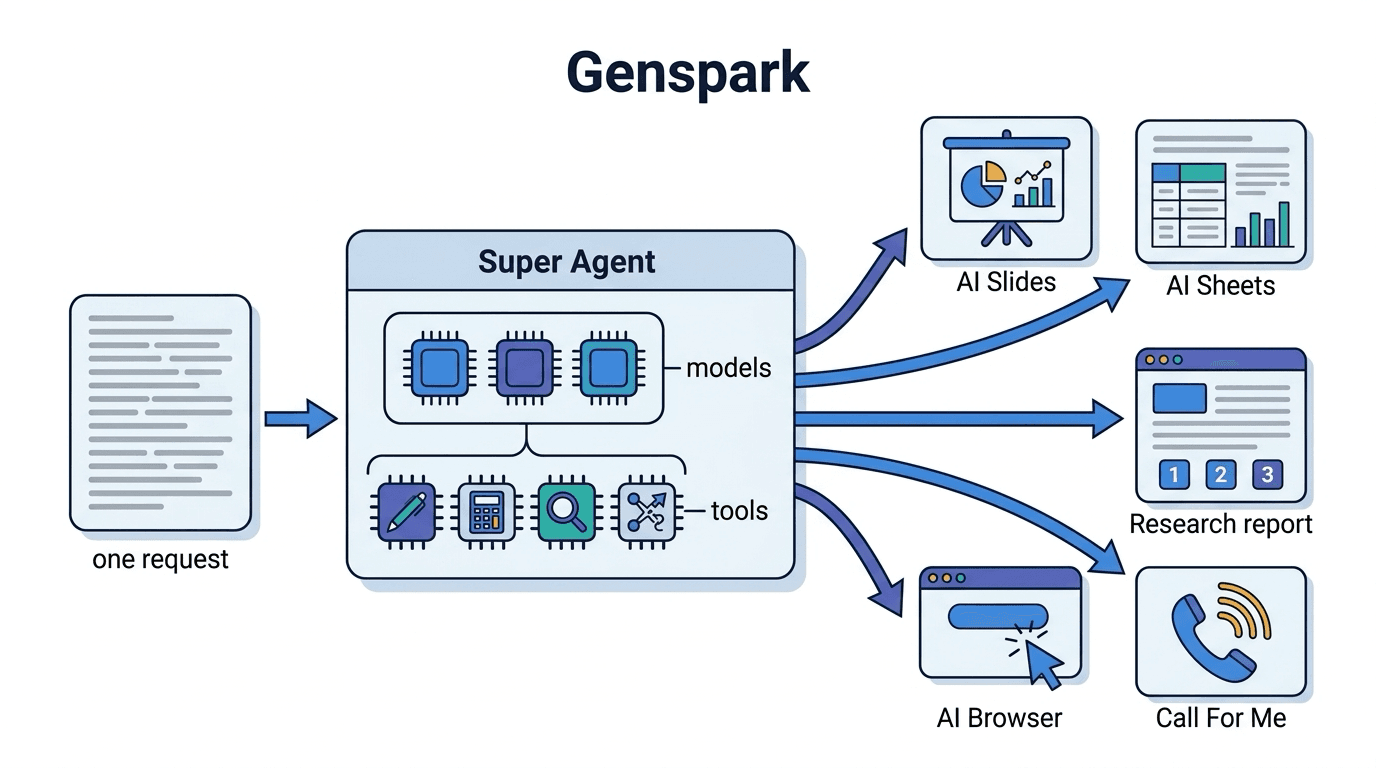
Genspark
Genspark is an AI workspace in which AI agents take on research, slide and spreadsheet creation, and