Predictive Maintenance

Predictive maintenance is a method that uses AI to analyze sensor data and operation logs, predicting equipment failures in advance to enable planned maintenance.
Manufacturing maintenance has three stages: reactive maintenance (fix after failure), preventive maintenance (inspect on schedule), and predictive maintenance (forecast failures based on data). Predictive maintenance monitors actual equipment conditions, reducing unnecessary scheduled replacements while preventing unexpected shutdowns.
The mechanism is straightforward. Time-series data is collected from vibration sensors, temperature sensors, and ammeters. A machine learning model learns normal operational patterns. When live data starts deviating from these patterns, it triggers an alert as a sign of impending failure. Isolation Forest and autoencoders are commonly used for anomaly detection.
The impact is significant—directly reducing downtime, optimizing parts inventory, and improving worker safety. In manufacturing facilities across Thailand and Laos, it draws attention as an approach to compensate for the shortage of experienced technicians through AI.
However, sensor installation costs and the data accumulation period (at minimum 3-6 months of normal operational data) can be barriers. Starting small with the single piece of equipment that has the highest downtime cost is the most realistic approach.
Articles covering this term
- How Thai Manufacturers Can Get Started with AI-Powered Predictive Maintenance and Quality ControlLearn how Thai manufacturers implement AI for predictive maintenance & quality control—from sensor data utilization to automated visual inspection, step by step.
- Guide to AI Investment Decisions for Thai Businesses — Implementation Priorities Based on ROI Comparisons by IndustryA sector-by-sector guide for Thai B2B companies choosing AI investments. Compare manufacturing, logistics, tourism, healthcare & retail by ROI, complexity, and talent needs.
- What Is AI Cross-Supply Chain Integration? A Design Approach to Breaking Down Silos and Achieving ROIDiscover how to design AI integration architecture across manufacturing, procurement, and logistics data silos—and solve the data quality issues blocking ROI for 89% of companies.
- AI Automation Bias: Causes and 3-Layer CountermeasuresWhat AI automation bias is, typical failure scenarios, and countermeasures across organization, design and operations: confidence display, HITL and audit logs.


Related Terms
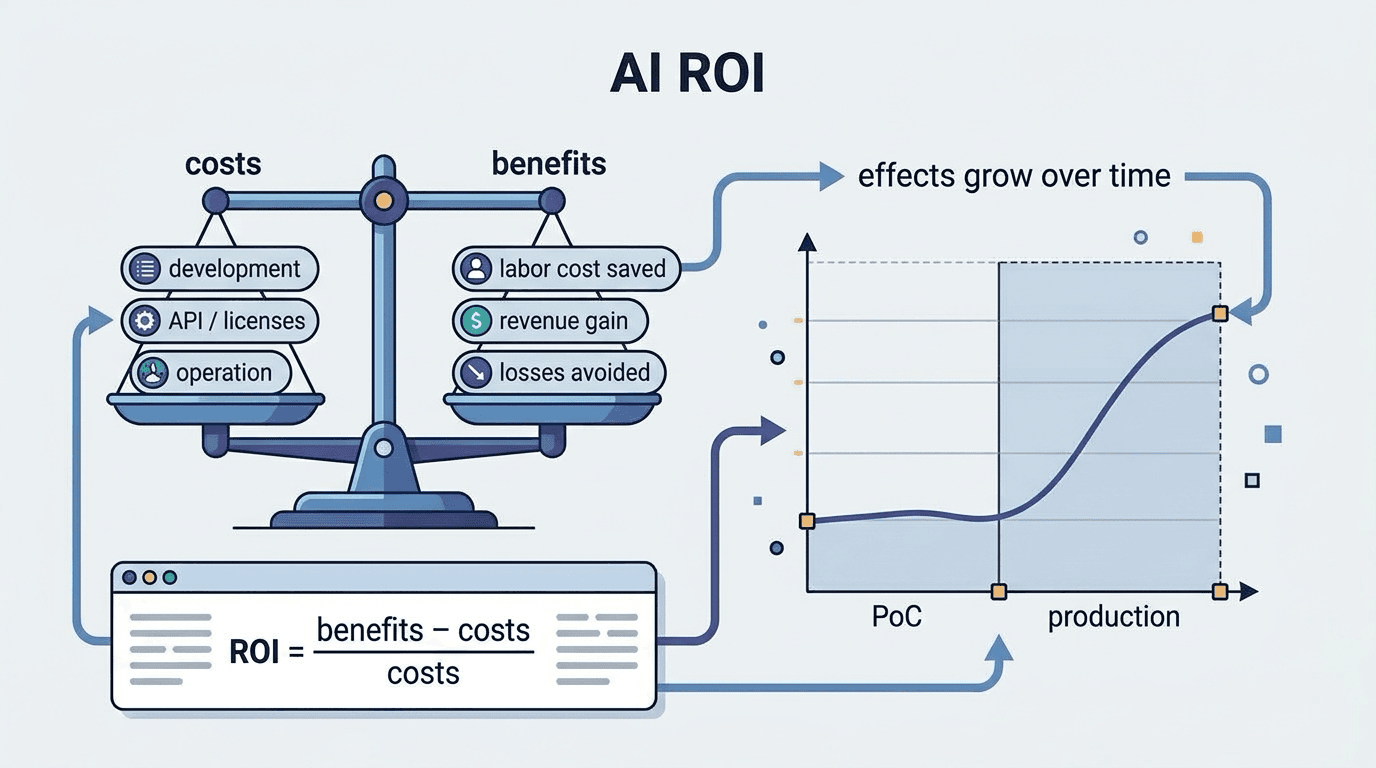
AI ROI (Return on Investment in AI)
AI ROI is a metric that quantitatively measures the effects obtained — such as operational efficienc

AI Observability
An operational practice of continuously monitoring and visualizing the inputs/outputs, latency, cost
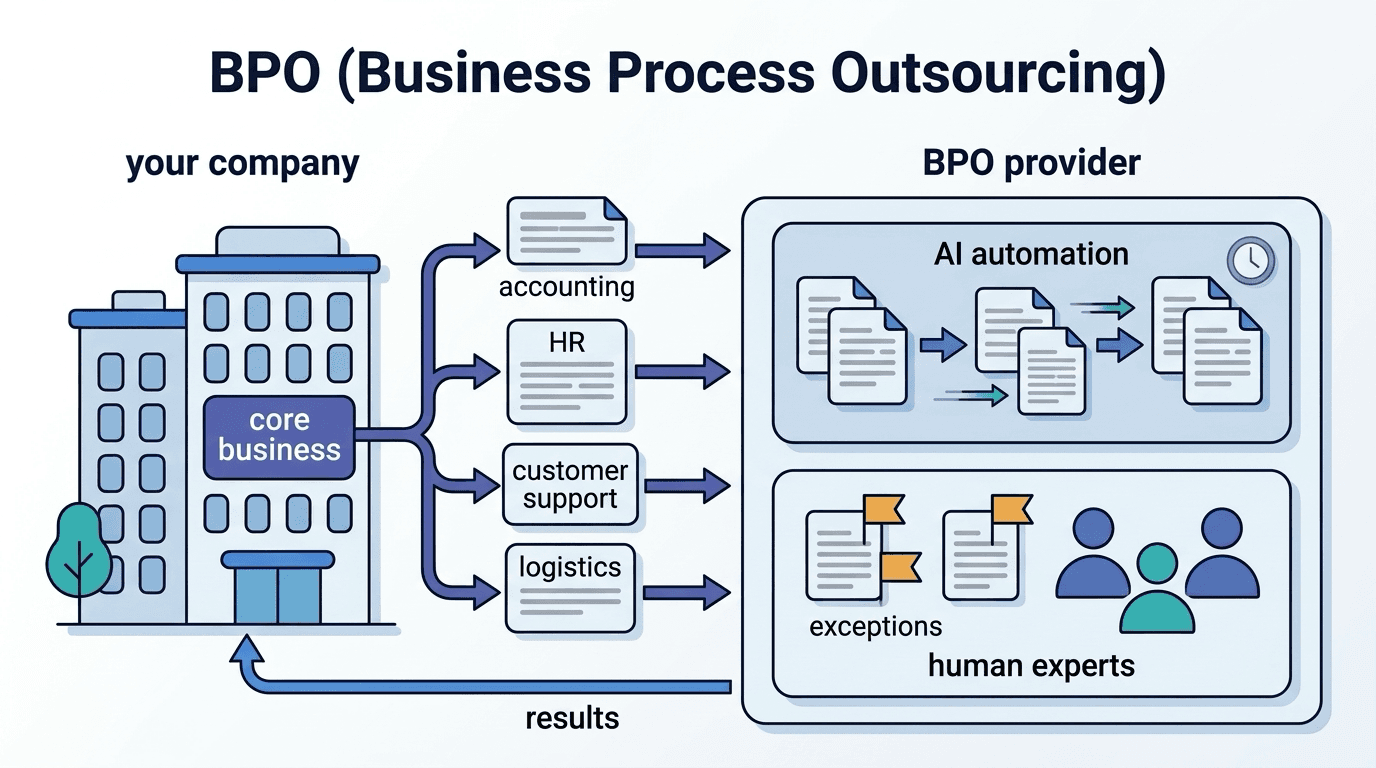
BPO (Business Process Outsourcing)
BPO refers to a form of outsourcing in which a company delegates specific business processes to an e

Demand Forecasting AI
Demand forecasting AI refers to a system that analyzes historical sales data and external factors us