Multi-Agent System
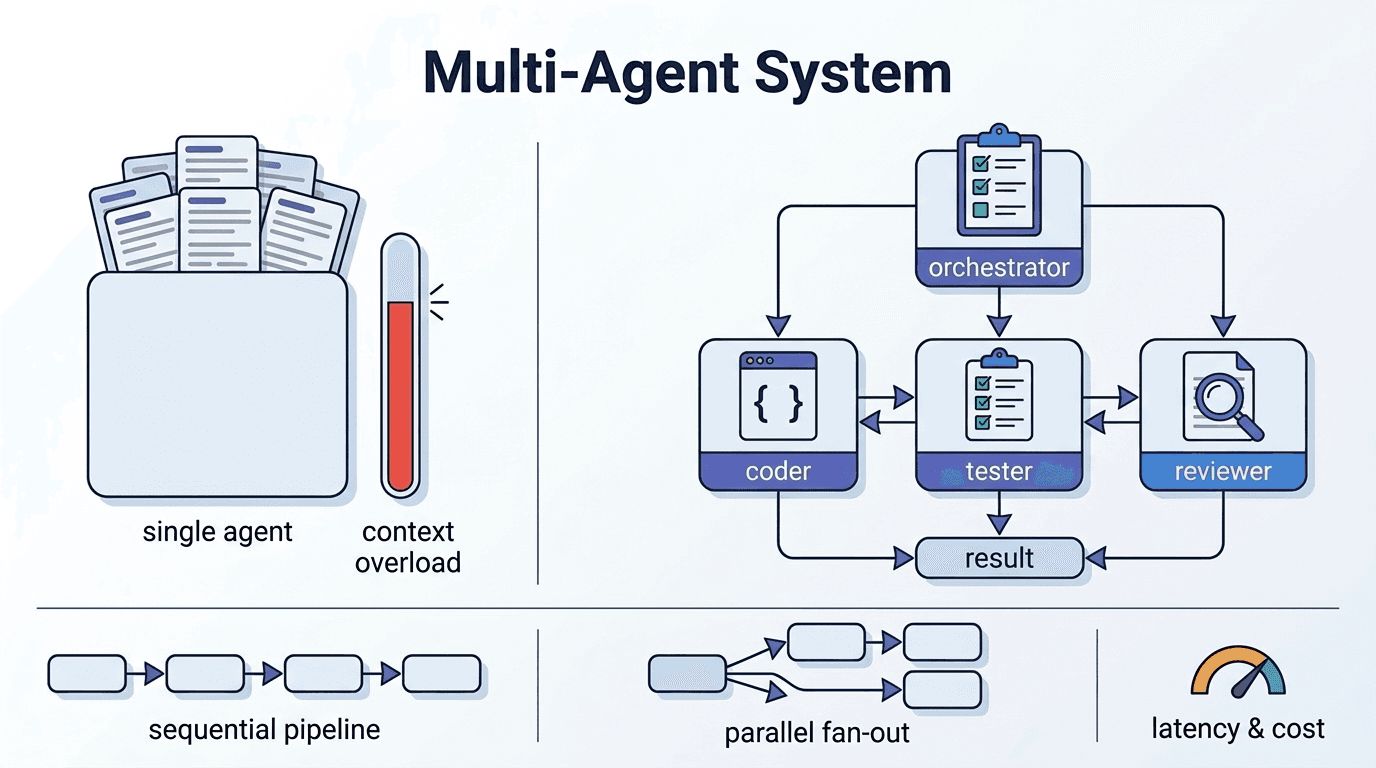
A multi-agent system is an architecture in which multiple AI agents divide roles and coordinate with each other to accomplish a shared objective.
Some complex tasks are difficult for a single AI agent to handle. For example, assigning code generation, testing, and review to one agent in software development causes context bloat and quality degradation. Multi-agent systems address this through specialization and division of labor.
In a typical architecture, an orchestrator creates the overall plan and delegates subtasks to specialized agents such as a coder, reviewer, and tester. Each agent acts on its own judgment and queries other agents as needed. Standards like the A2A (Agent-to-Agent) protocol are being developed, making it practical to connect agents built on different frameworks.
The key design consideration is the communication pattern between agents. Serial pipeline patterns are easier to debug, while parallel fan-out patterns offer better throughput. In practice, starting with a small configuration of 2-3 agents and expanding once bottlenecks become visible is less likely to fail.
As a caveat, adding more agents increases latency and API costs. The principle of "just enough" agents applies.
Articles covering this term
- What Are AI Agent Protocols (MCP & A2A)? How Multi-Agent Collaboration WorksLearn how AI agent protocols like MCP and A2A work. A foundational guide to tool integration and inter-agent communication design in multi-agent systems.
- What Is AI Cross-Supply Chain Integration? A Design Approach to Breaking Down Silos and Achieving ROIDiscover how to design AI integration architecture across manufacturing, procurement, and logistics data silos—and solve the data quality issues blocking ROI for 89% of companies.
- What Is an AI-Native Management Strategy? How to Fundamentally Redesign Your Business ModelFrom "adding AI" to "redesigning with AI." Learn AI-native management transition steps, ERP/FMS integration strategies, and real-world examples from Thai and Japanese companies.
- What is Multi-Agent AI? From Design Patterns to Implementation and Operational Best PracticesTackle complex tasks beyond a single AI agent using multi-agent architecture. Explore 4 key patterns—Planner, Executor, Critic & Verifier—with design principles and practical tips.


Related Terms
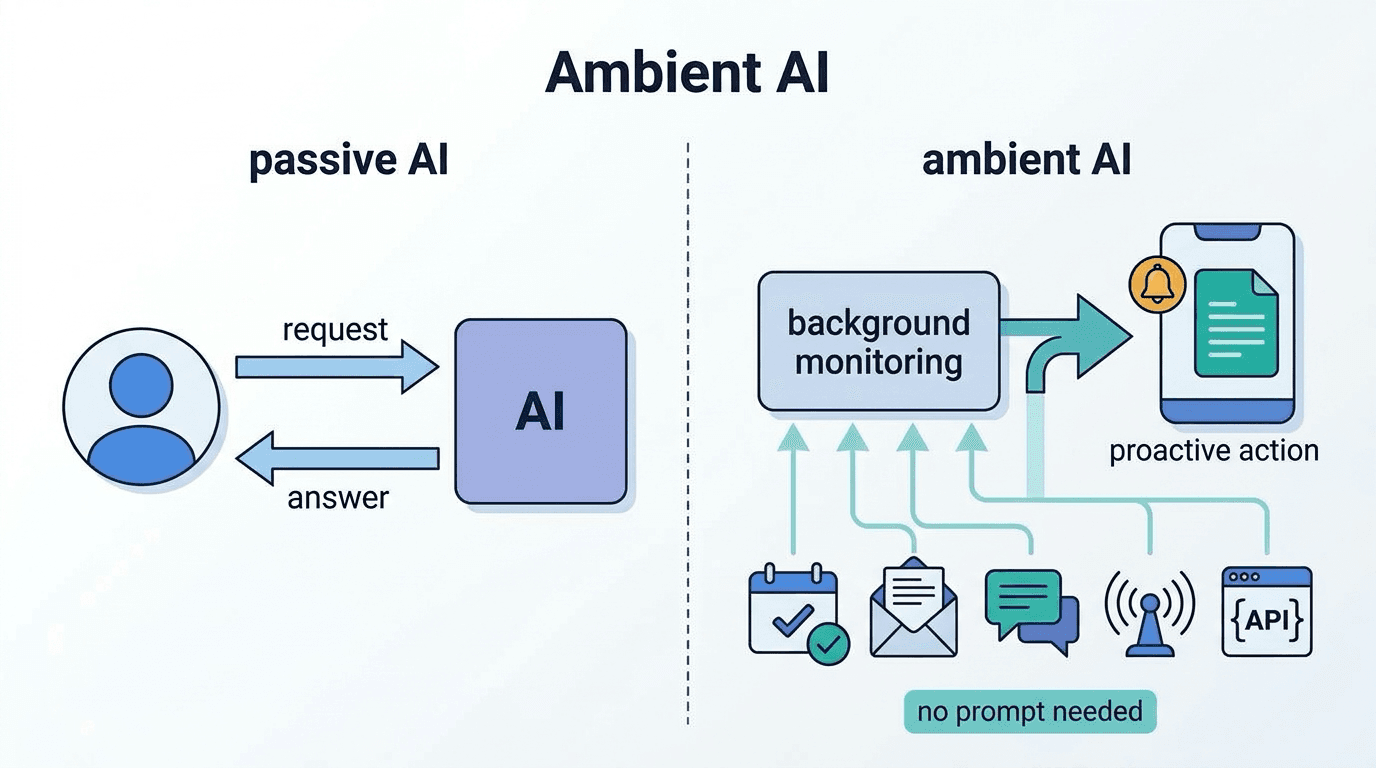
Ambient AI
Ambient AI refers to an AI system that is seamlessly embedded in the user's environment, continuousl
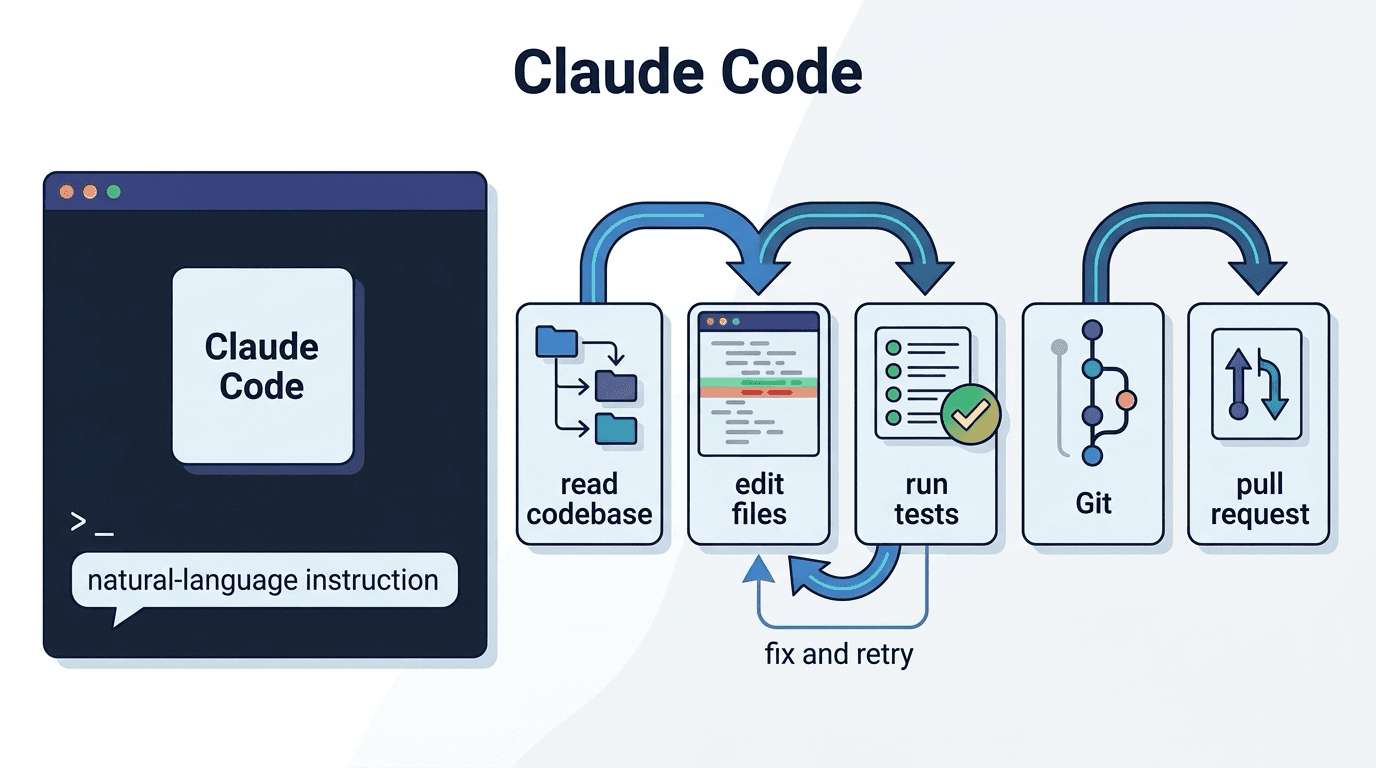
Claude Code
Claude Code is a terminal-resident AI coding agent developed by Anthropic. It is a CLI tool that ena
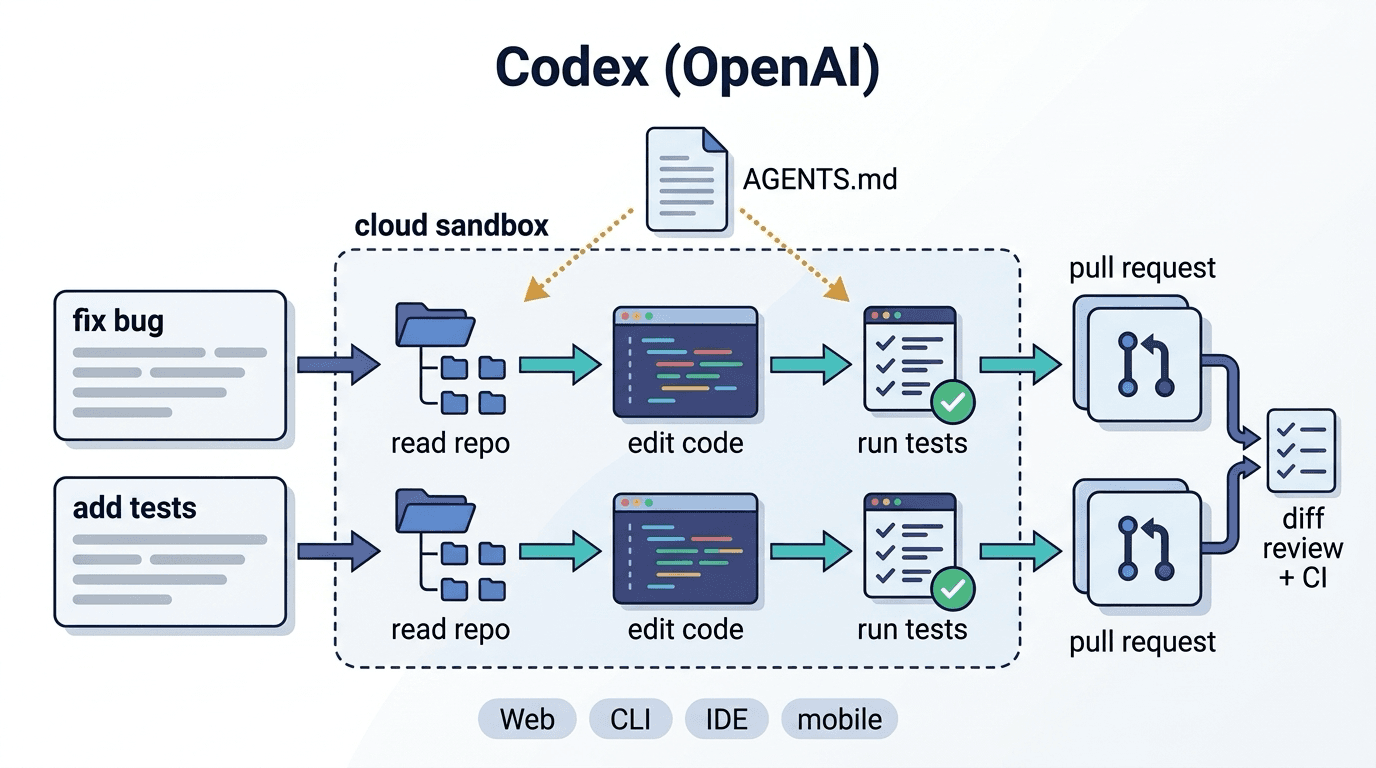
Codex (OpenAI)
Codex is OpenAI's AI coding agent. It reads a repository and carries a task through implementation,
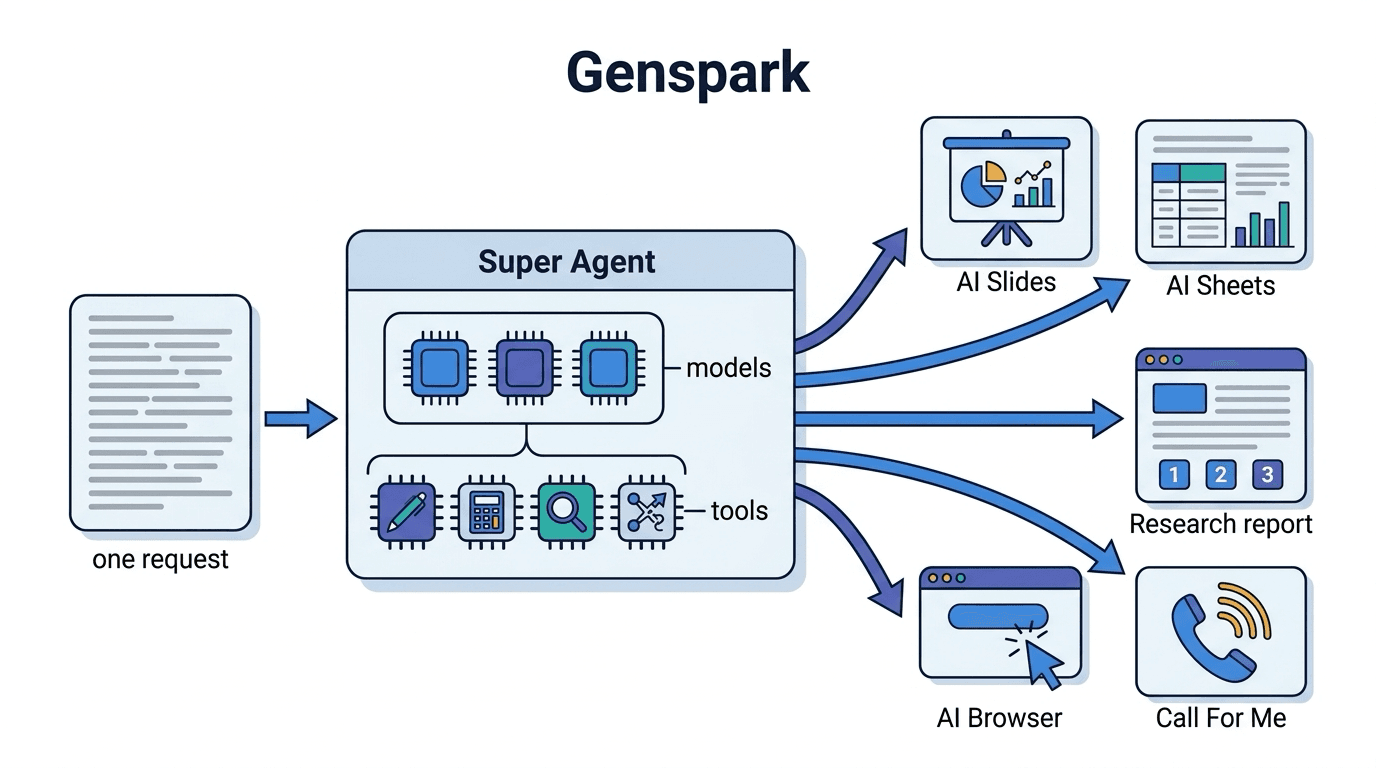
Genspark
Genspark is an AI workspace in which AI agents take on research, slide and spreadsheet creation, and