Agentic AI
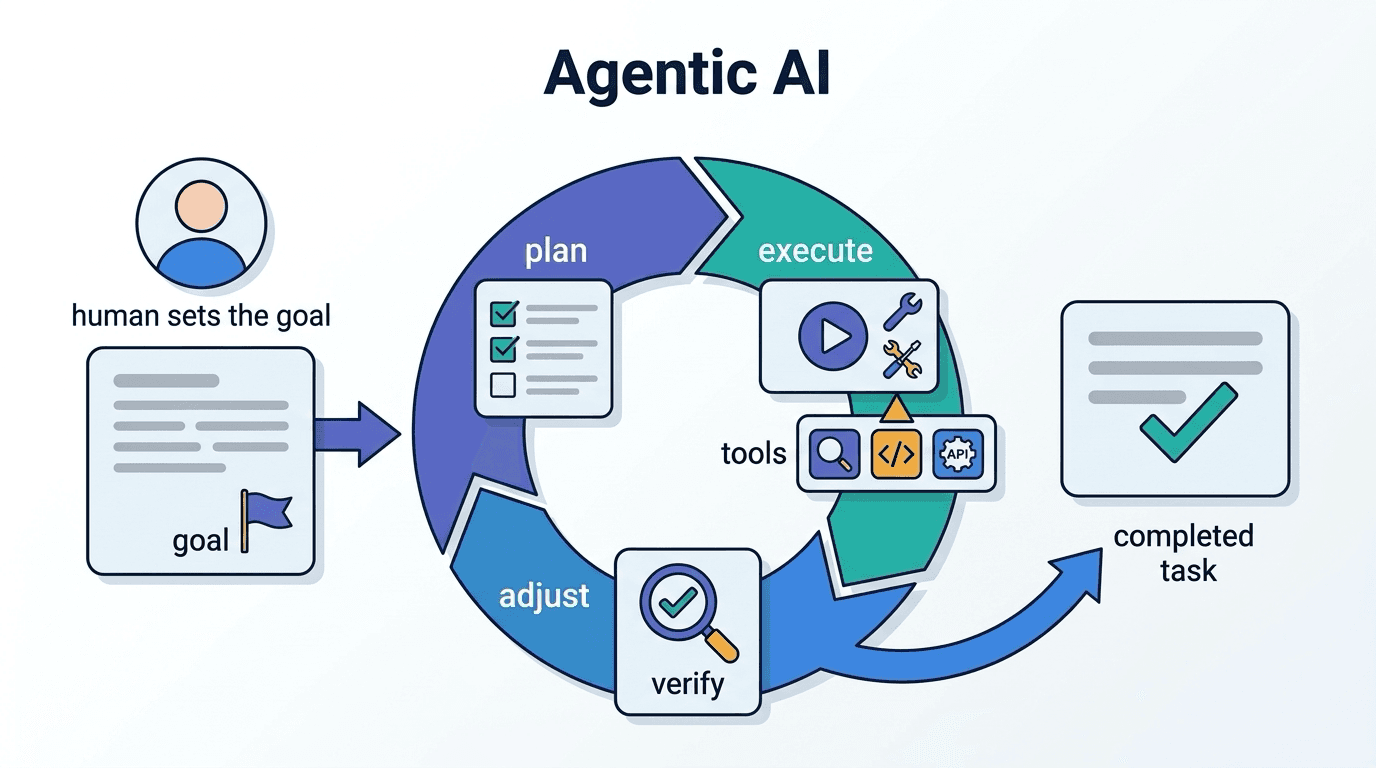
Agentic AI is a general term for AI systems that interpret goals and autonomously repeat the cycle of planning, executing, and verifying actions without requiring step-by-step human instruction.
Asking a chatbot a question and receiving an answer — this was the core of AI utilization in 2023–2024. Agentic AI lies beyond that. Rather than answering questions, it completes tasks.
Karpathy coined this shift "Agentic Engineering" in early 2026. At its core is a workflow called the PEV loop — a cycle that AI itself runs through Plan → Execute → Verify. In coding, for example, an agent first analyzes the task and formulates an execution plan, writes the code, runs tests to verify the results, and makes corrections if problems arise. Humans provide approval and course corrections at checkpoints along the way.
Looking at real numbers: at Stripe, an internal agent called "Minions" is merging over 1,000 pull requests per week. Zapier reported that 89% of the entire organization has integrated AI into their work. This is no longer an experimental phase.
The infrastructure supporting Agentic AI is also being developed. MCP for tool connectivity, A2A for inter-agent communication, and Agent Skills as the unit of task execution capability — these are combining to enable the automation of complex workflows that were impossible with standalone AI models.
Articles covering this term
- What Is an AI-Native Management Strategy? How to Fundamentally Redesign Your Business ModelFrom "adding AI" to "redesigning with AI." Learn AI-native management transition steps, ERP/FMS integration strategies, and real-world examples from Thai and Japanese companies.
- What is Harness AI? How It Integrates AI into DevOps and Step-by-Step Implementation GuideHarness AI is a suite of AI agents by DevOps platform Harness. Learn agent roles, supported models, pre-deployment checks, PoC steps, and HITL design in one practical guide.
- What Is an AI Data Readiness Audit? How to Assess Your Internal Data Before Implementing Agentic AIMost AI agent failures stem from data, not models. Learn how to run a data readiness audit—evaluating quality, accessibility, and structure of internal data.
- What is Agentic Commerce? Preparing for the B2B Era Where AI Agents Make PurchasesLearn how "agentic commerce"—where AI agents autonomously buy and transact—works, and the key practices B2B companies need for sales and marketing success.


Related Terms
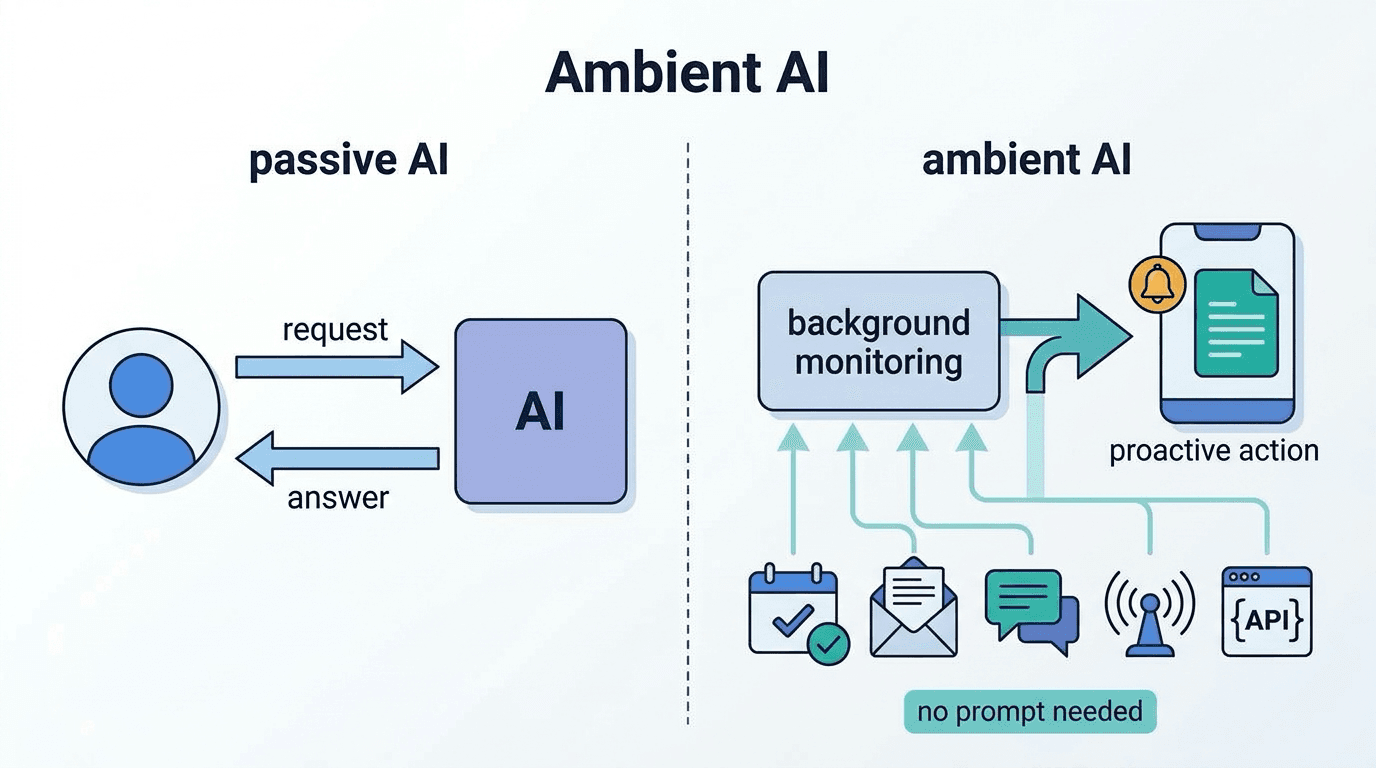
Ambient AI
Ambient AI refers to an AI system that is seamlessly embedded in the user's environment, continuousl
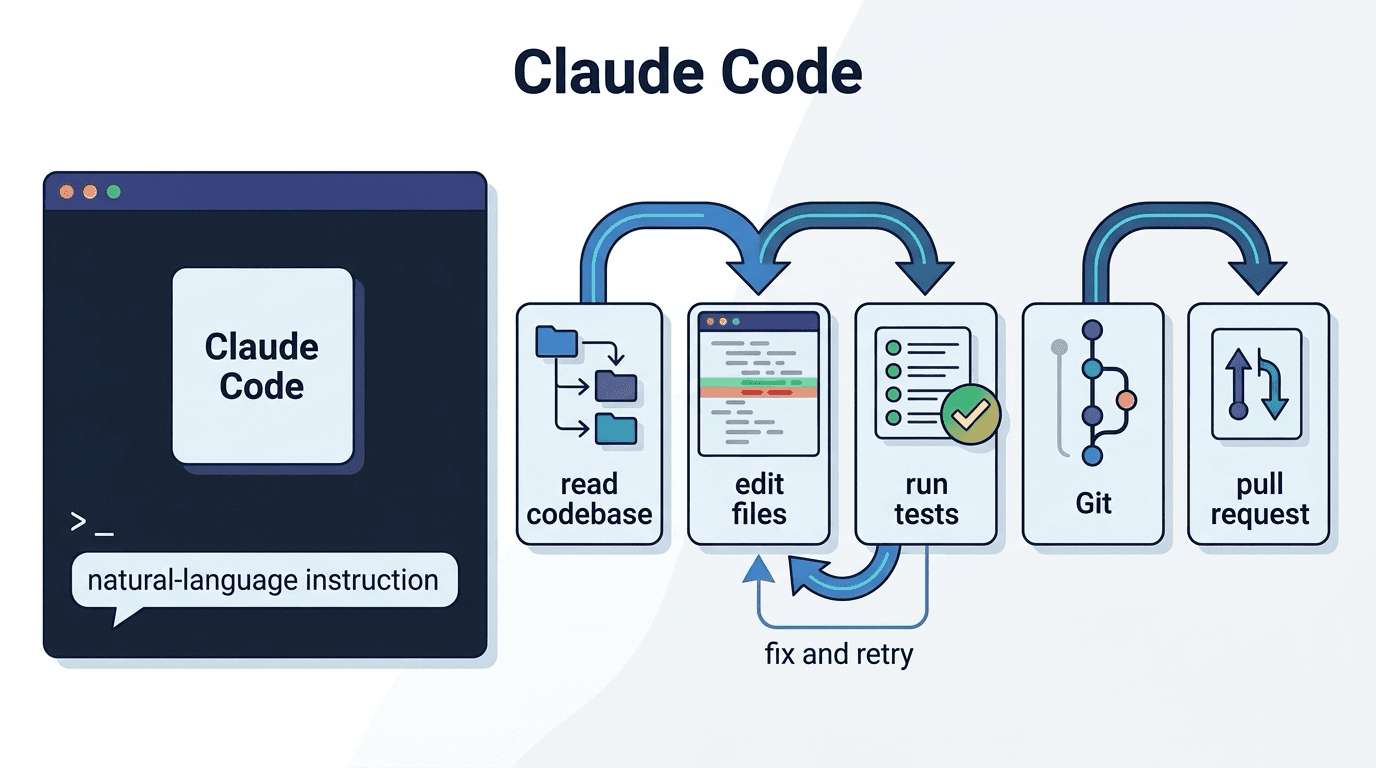
Claude Code
Claude Code is a terminal-resident AI coding agent developed by Anthropic. It is a CLI tool that ena
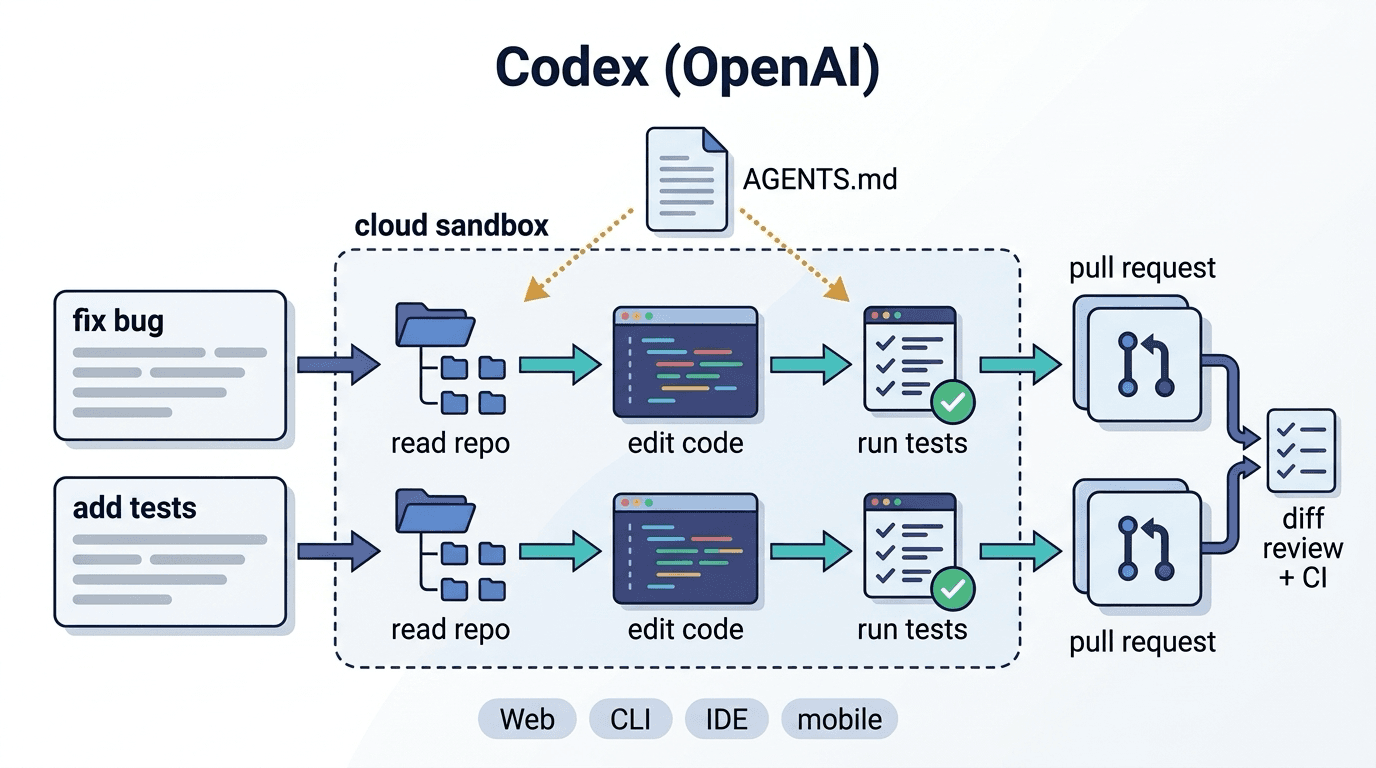
Codex (OpenAI)
Codex is OpenAI's AI coding agent. It reads a repository and carries a task through implementation,
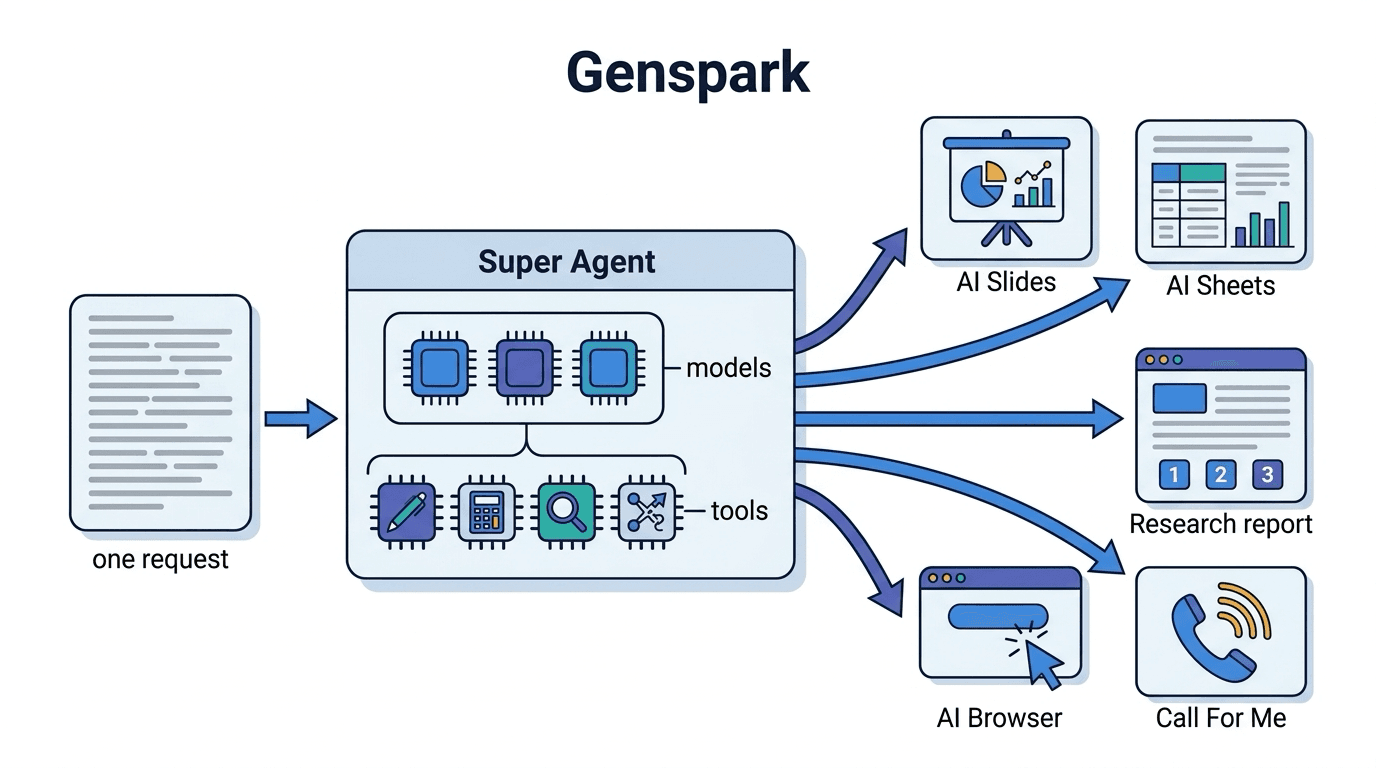
Genspark
Genspark is an AI workspace in which AI agents take on research, slide and spreadsheet creation, and