Jev (TypeSafe AI)
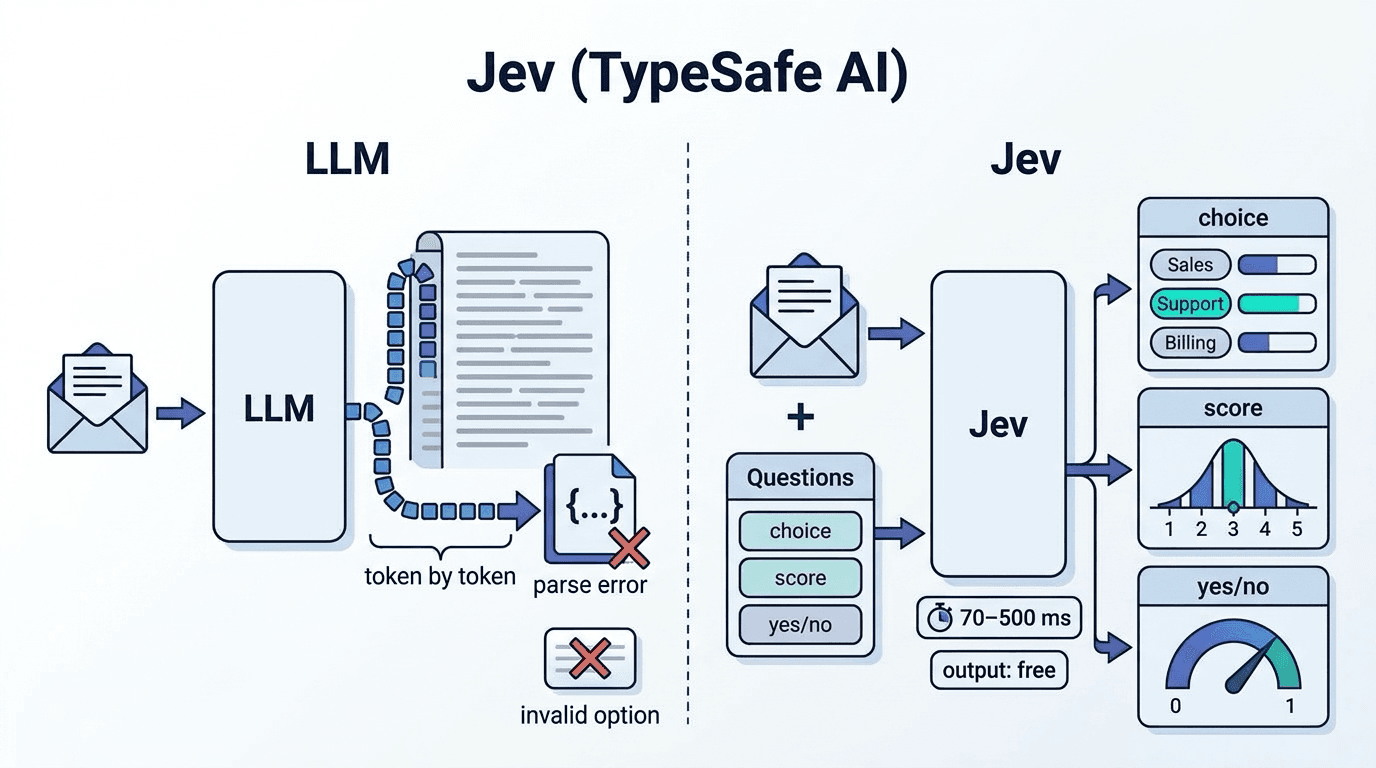
Jev is a decision-only AI model from TypeSafe AI. Instead of generating text, this "System One model" returns predefined choices, scores and true/false judgments with calibrated probabilities.
Jev is an AI model that TypeSafe AI released in early access. Where a typical large language model (LLM) generates text one token at a time, Jev does not generate text at all. It takes a state (text or JSON) and a set of questions, and returns answers of predefined types together with probabilities. TypeSafe AI calls this a "System One model," a nod to fast, intuitive human judgment (System 1).
Three kinds of decisions
| Type | Example question | What comes back |
|---|---|---|
| choice | Which department should handle this inquiry? | The chosen option and a probability for each option |
| score | How urgent is this complaint on a scale of 1 to 5? | An expected score and the probability of each level |
| noul (true/false) | Does this message contain personal data? | The probability that the answer is "yes" (0 to 1) |
A single call can mix several questions, and each is evaluated independently and in parallel. Because the output always fits the declared type, the familiar LLM failures, such as output that cannot be parsed as JSON or an answer that is not one of the options, do not occur.
How it differs from an LLM
The main differences are speed and price. According to TypeSafe AI's announcement, end-to-end response time is 70 to 500 milliseconds, input costs $0.042 per million tokens, and output is free. The company says Jev is 40 to 200 times faster than using an LLM for the same kind of decision.
The model is trained so that its probabilities match how often it is actually right (calibration), which makes it easy to route only low-confidence cases to a person, a natural fit for human-in-the-loop (HITL) designs.
The trade-off is that Jev cannot write anything. Summaries, drafted replies and translation remain LLM work; Jev handles only the decisions: classification, routing, scoring and branching.
Good uses and cautions
It suits decisions that run thousands of times a day: triaging inquiry emails, prioritizing tickets, choosing an AI agent's next action, and automatically checking generated output as an AI guardrail.
Language is the main caution. The official documentation says English is the primary language and that other languages are handled but not equally well. Input is text only; images and audio are not supported. For work in Japanese or Thai, measure accuracy on your own historical data before going to production. It is also in early access, so features and pricing may change.
Laya, from Convai Innovations, follows the same idea with open weights under the Apache 2.0 license, which makes it an option when data cannot leave your environment (see open-weight model). We advise on bringing decision models into business workflows through our AI & DX services.
Articles covering this term
- What Are Jev and Laya? Fine-Tuning Judge-Only Models in 4 Languages – A Verification ReportJev is a judgment-only model that returns probabilities for each option instead of generating text. We fine-tuned Laya, a Jev-compatible OSS, in Japanese, Thai, English, and Lao, and compared accuracy, response speed, and cost against LLMs.
- Introduction to Fine-Tuning — The Fundamentals and Decision Criteria B2B Companies Should Know Before Building Their Own LLMLearn how fine-tuning works from the basics. Covers PEFT/LoRA, when to use RAG, cost estimates, and a checklist for B2B companies evaluating custom model development.


Related Terms
AI Checker (AI-generated text detector)
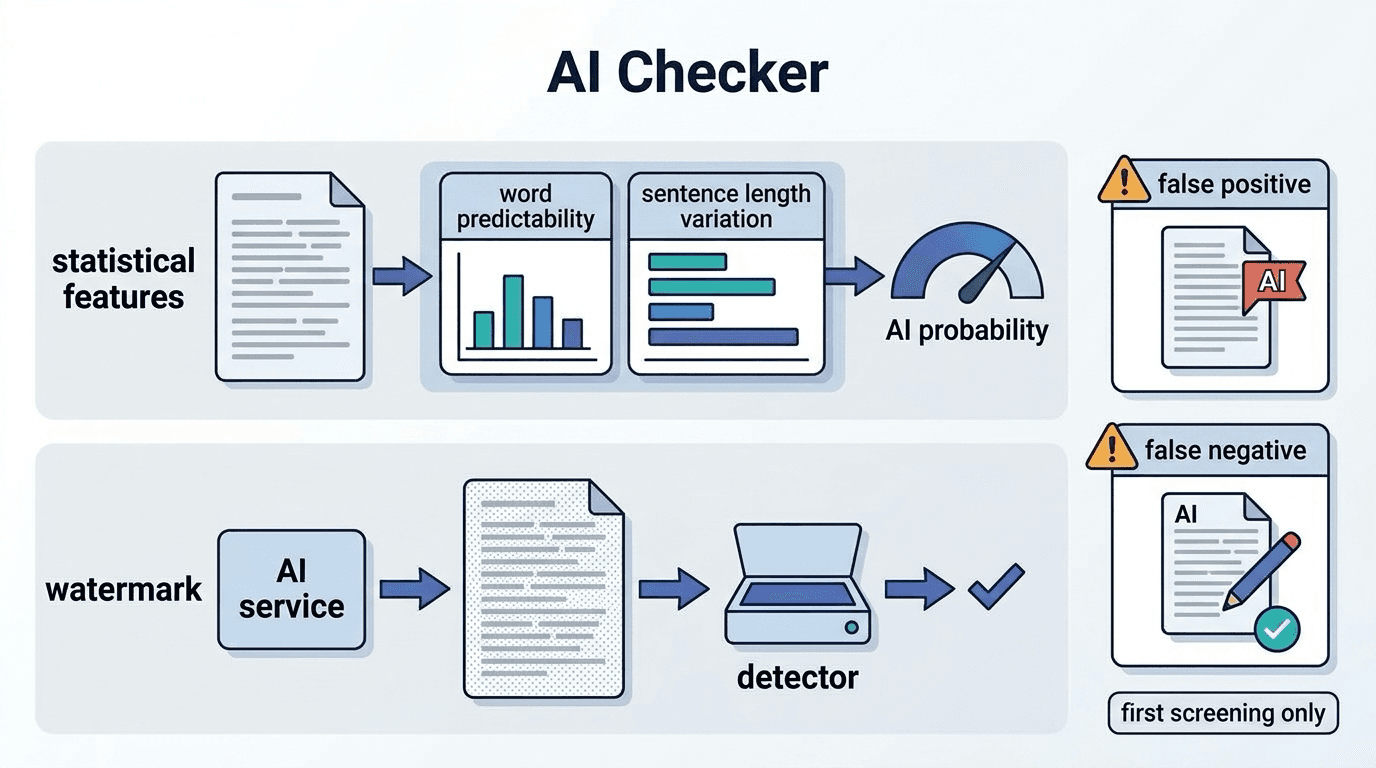
An AI checker is a tool that estimates whether a piece of writing was generated by AI, mainly from s
AI Mode (Google AI Mode)
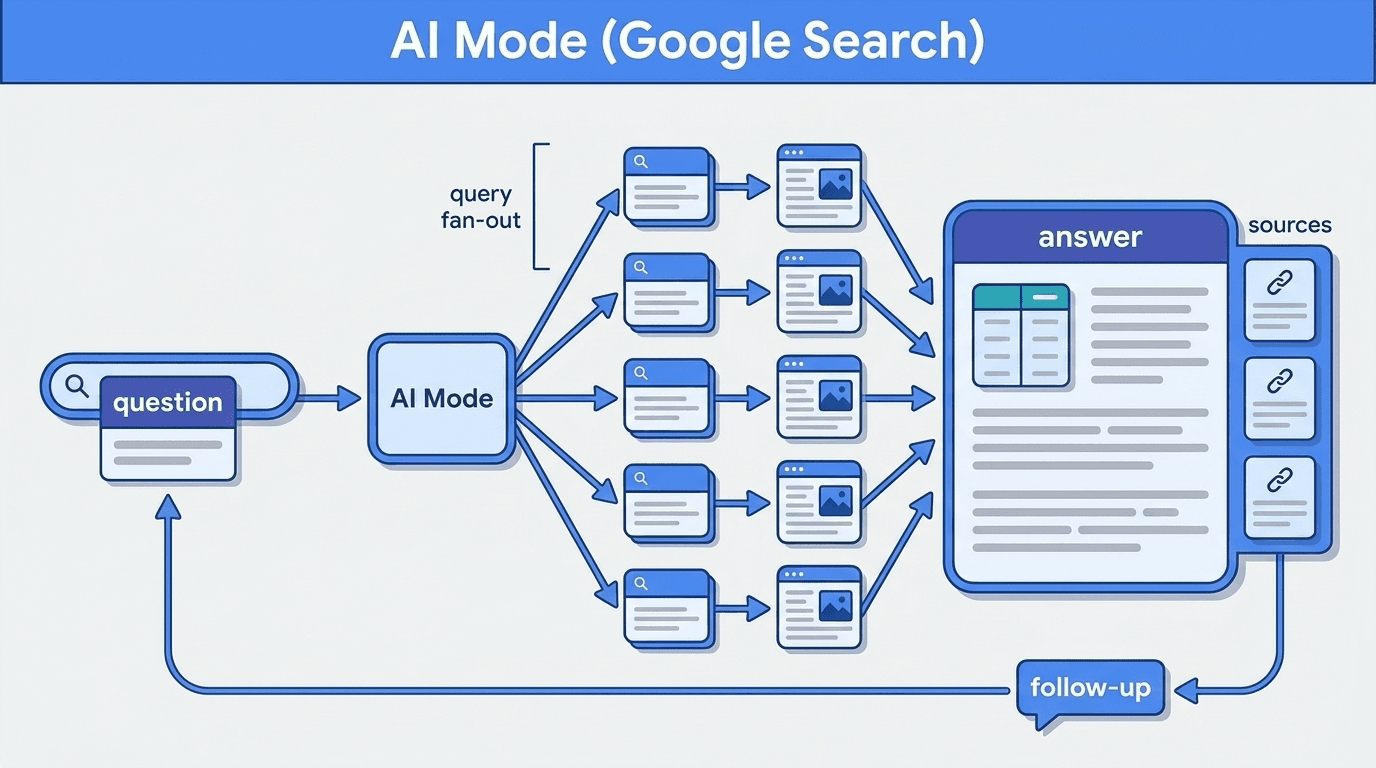
AI Mode is a generative AI search mode built into Google Search that answers questions conversationa

Context Window
A context window refers to the maximum number of tokens an LLM can process at one time, indicating t
DeepSeek
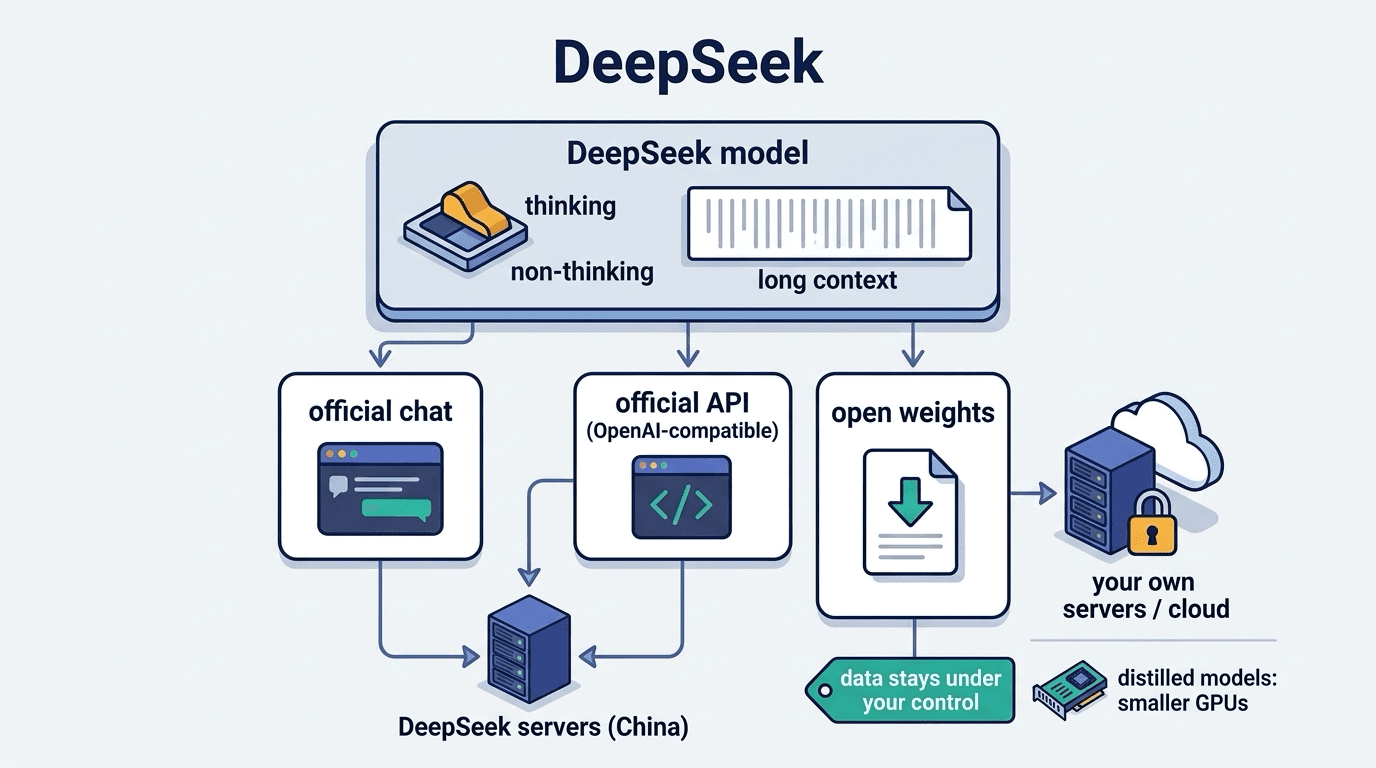
DeepSeek is a family of large language models and a chat service developed by the Chinese company De