Token (Token)
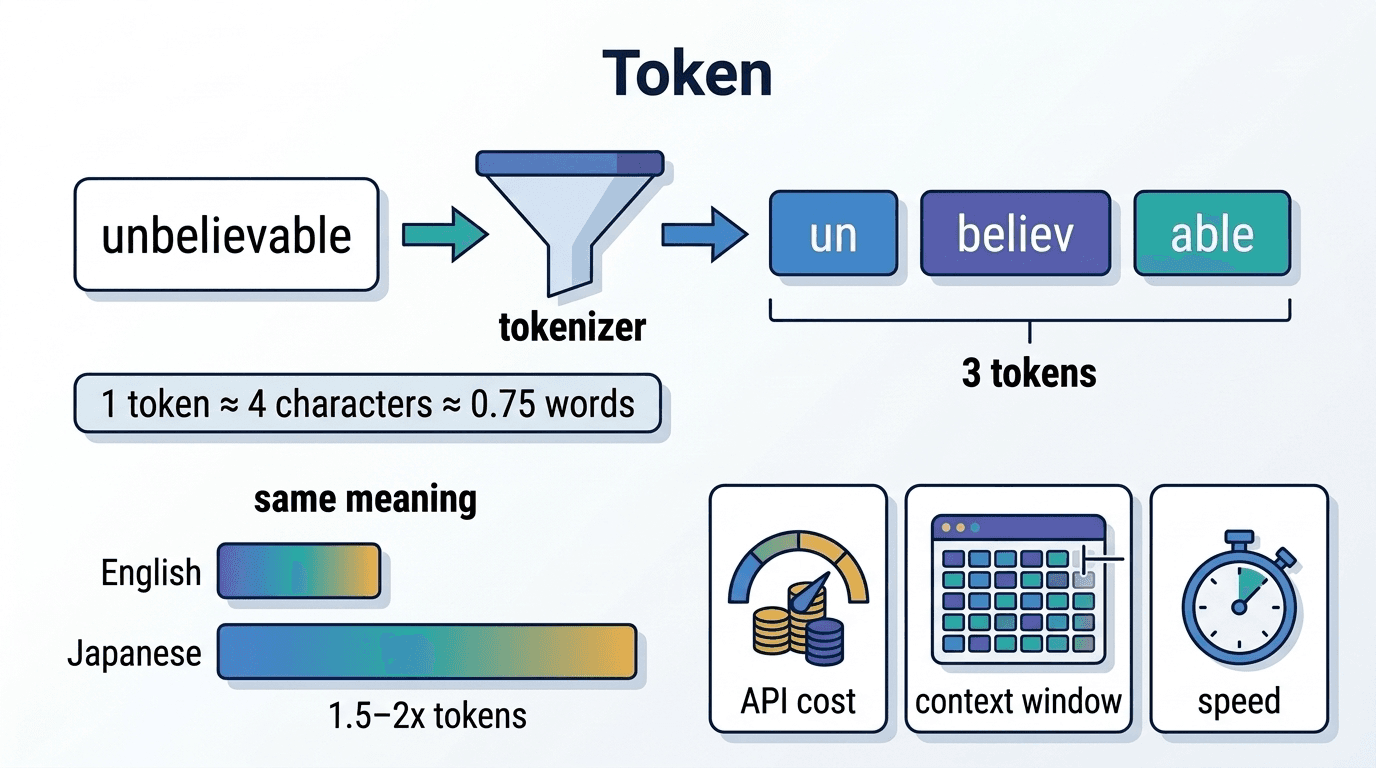
A token is the smallest unit used by an LLM when processing text. It is not necessarily a whole word; it can include parts of words, symbols, and spaces — essentially the fragments resulting from splitting text based on the model's vocabulary.
Different from Words
When you hear "token," you might think of words, but in practice they are a bit more granular. The English word "unbelievable" can be split into 3 tokens: "un", "believ", and "able". Japanese is even more complex — a single hiragana character may become one token, while a single kanji character can consume 2–3 tokens.
This splitting process is called tokenization, and each model uses a different algorithm (BPE, SentencePiece, etc.). This is why the token count for the same text can vary depending on the model.
Why Token Count Matters
The cost and performance of LLMs are almost entirely determined by token count. API pricing typically follows a pay-per-use model based on the number of input and output tokens, and the context window (the amount of text a model can handle at once) is also defined in terms of tokens.
Token count is also directly tied to inference speed. In Dense Models, all parameters are involved in processing each token, so as the token count increases, the computational load increases proportionally. This constraint is why techniques to compress input are often required for long-document summarization tasks.
Practical Estimation
For English, a commonly used rule of thumb is "1 token ≈ 4 characters ≈ 0.75 words." Japanese is less token-efficient, tending to consume 1.5–2 times as many tokens as English for the same meaning. When designing multilingual systems, this difference must be factored into cost estimates.
Articles covering this term
- What Is a Token Trap? Practical Token Consumption Management to Prevent Hidden Cost Explosions in AI AgentsLearn how "token traps" cause billing spikes in high-frequency agent loops, and how to prevent cost explosions with budget caps, throttling, and smart loop design.
- LLM Cost Optimization Guide — Token Reduction, Model Selection, and Cache ImplementationPractical guide to cutting LLM production costs. Learn 4 pillars—token optimization, model selection, prompt caching & RAG design—to halve monthly costs without sacrificing accuracy.
- What is SLM Distillation? How to Create Small Specialized Models from Large LLMsLearn how SLM distillation uses large LLMs as teachers to build cost-effective, task-specific private models—covering the mechanism and implementation steps.
- Integrated Management of LLM Inference Logs: Production Environment Observability with a Converged DatabaseExplains converged database implementation patterns for unifying LLM inference logs across multiple storages, improving anomaly detection in production. Covers unified I/O, latency, token usage & error tracking.


Related Terms
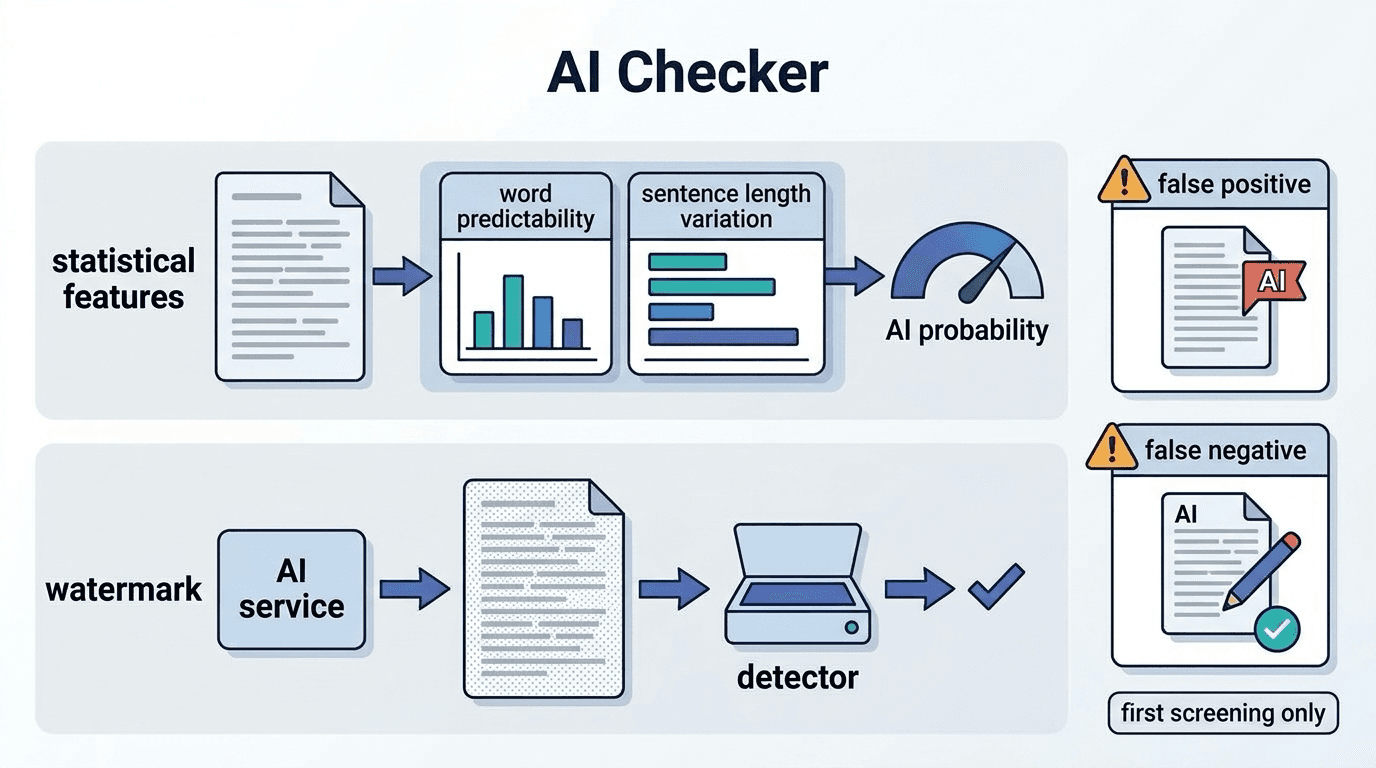
AI Checker (AI-generated text detector)
An AI checker is a tool that estimates whether a piece of writing was generated by AI, mainly from s
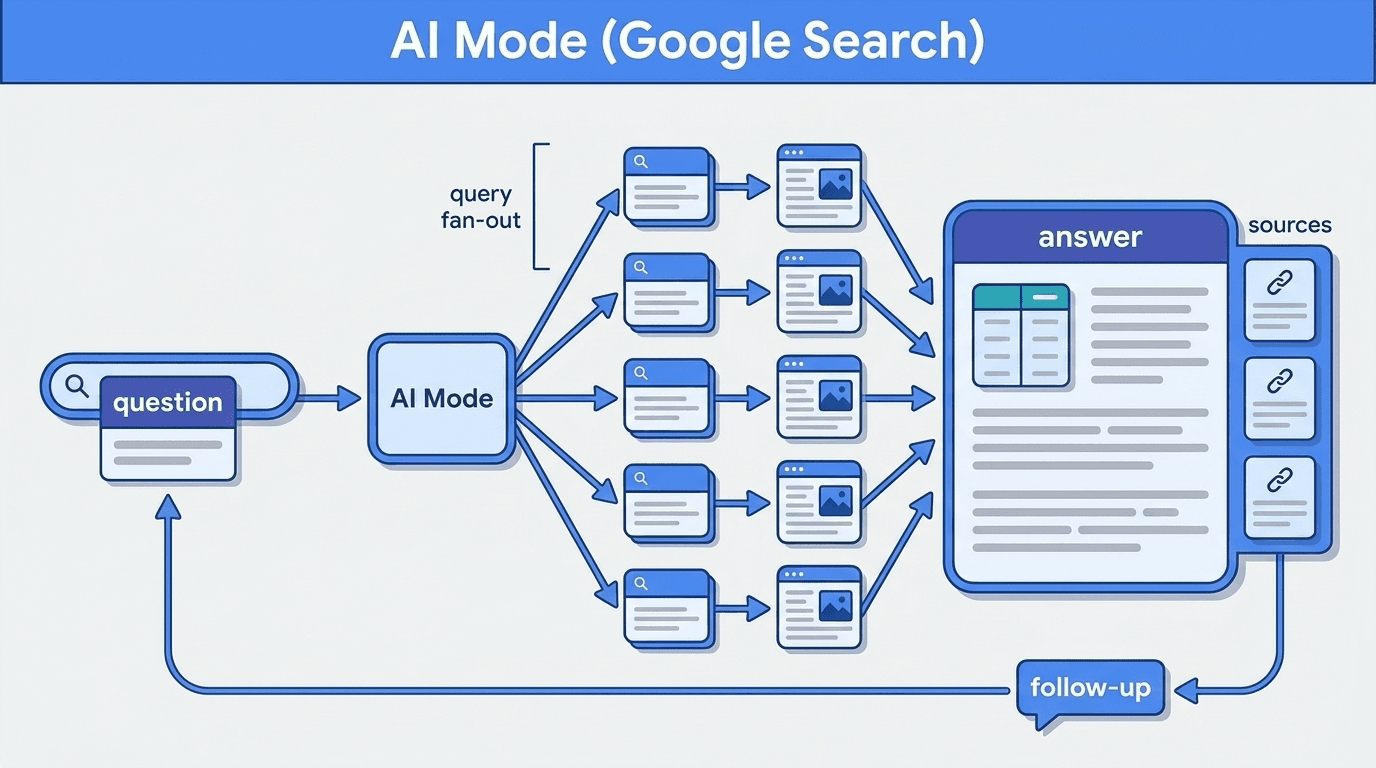
AI Mode (Google AI Mode)
AI Mode is a generative AI search mode built into Google Search that answers questions conversationa

Context Window
A context window refers to the maximum number of tokens an LLM can process at one time, indicating t
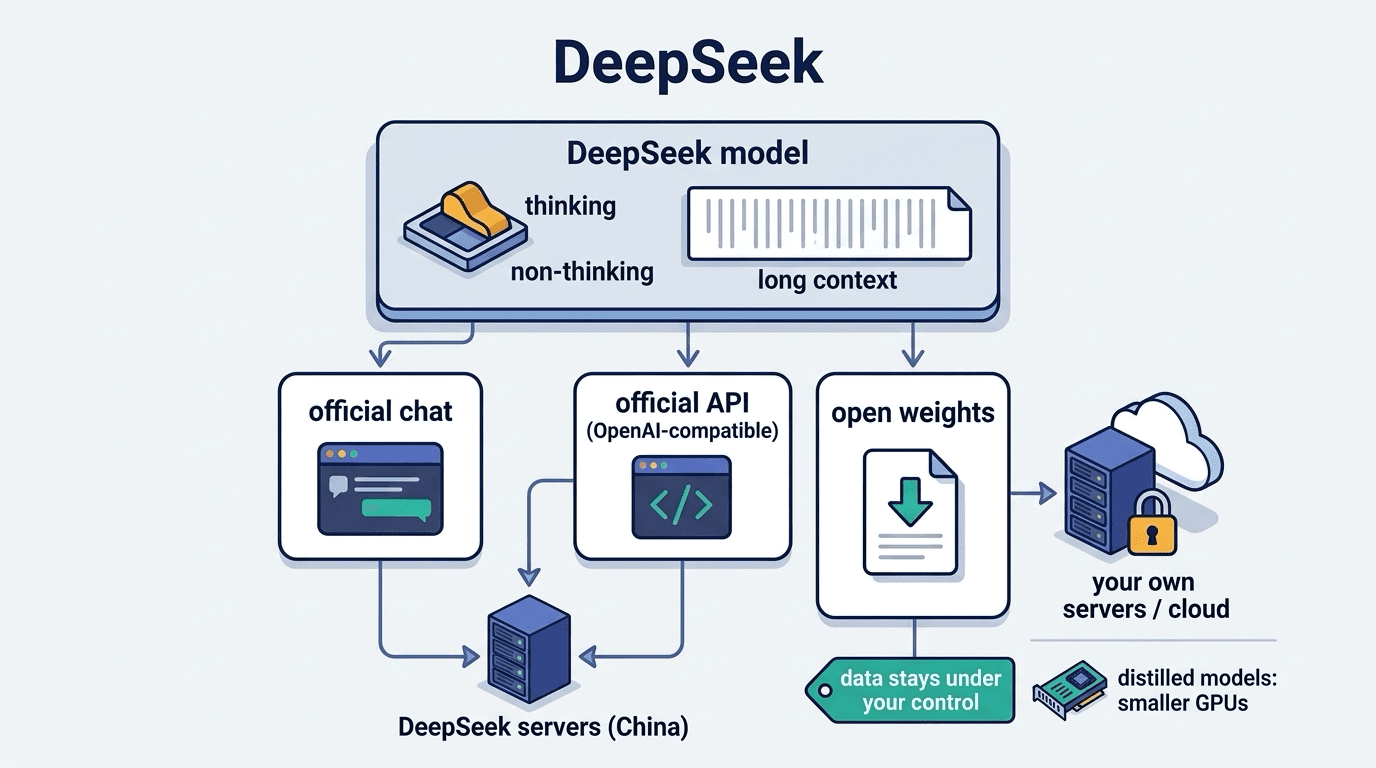
DeepSeek
DeepSeek is a family of large language models and a chat service developed by the Chinese company De