Feature Store
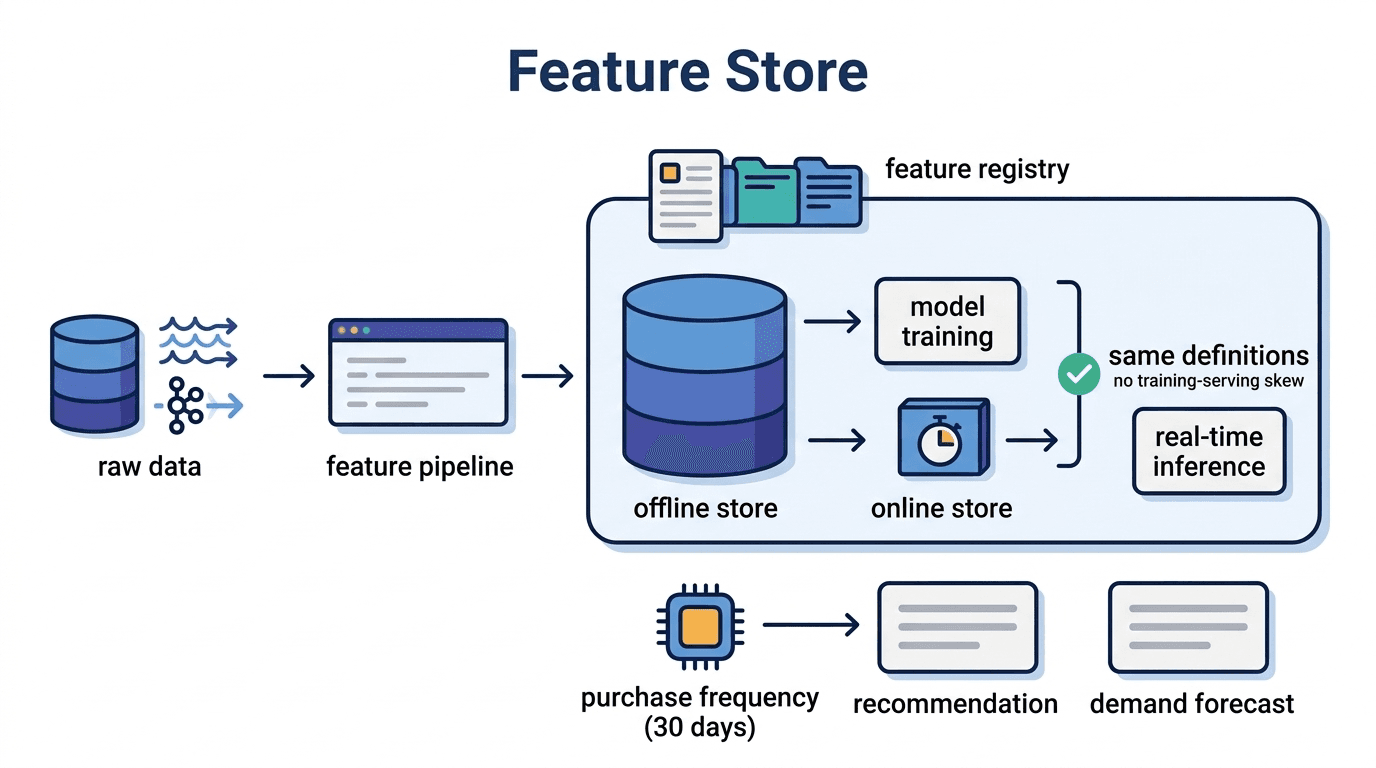
A feature store is a data infrastructure for centrally managing and reusing features used in machine learning model training and inference. It reduces duplicate work in model development and ensures consistency of features between development and production environments.
Feature Store
A Feature Store is a data infrastructure for centrally managing and reusing features used in machine learning model training and inference. It plays the role of reducing duplicated work in model development and guaranteeing feature consistency between training and production environments.
Why a Feature Store Is Needed
As machine learning projects multiply within an organization, the inefficiency of one team reinventing features already created by another team occurs frequently. For example, a feature such as "a user's purchase frequency over the past 30 days" may be used in both a recommendation model and a demand forecasting AI. A Feature Store accumulates such features as shared assets and provides a mechanism for reusing them across teams.
Another critical challenge is data inconsistency between training and inference—known as "training-serving skew." It is not uncommon for a model's accuracy to fail to reproduce in production because the feature computation logic used during training subtly diverges from the logic used during production inference. A Feature Store structurally resolves this problem.
Technical Mechanisms
A Feature Store is generally composed of the following elements:
- Offline Store: Storage for batch processing that holds large volumes of data for training (data warehouses and object storage are commonly used)
- Online Store: A low-latency cache layer for retrieving features in real time during inference (Redis and DynamoDB are typical examples)
- Feature Pipeline: A processing flow that computes and updates features from raw data
- Feature Registry: A catalog that manages feature definitions, metadata, and versions
The two-tier structure of offline and online layers reconciles the conflicting requirements of efficiently processing large volumes of training data while returning features within a few milliseconds during production inference.
Role in MLOps
A Feature Store functions as a core component of the MLOps pipeline. In the context of MLOps, which handles model versioning and deployment, features are treated as artifacts that should be versioned just like code. Lineage management—the ability to track which models are using a given feature when that feature is modified—is also an important capability.
Furthermore, as architectures that reference external data at inference time, such as RAG and AI agents, become more widespread, Feature Store designs that account for feature freshness management and integration with vector databases have been attracting increasing attention in recent years.
Key Points to Keep in Mind During Adoption
A Feature Store tends to deliver the greatest benefits in cases where multiple ML models reference data from the same domain, or in environments such as smart factories where real-time feature availability is required. On the other hand, building a large-scale Feature Store when only a small number of models exist can result in operational costs that outweigh the benefits. A practical approach is to start with simple feature management during the PoC phase and consider full-scale adoption once the number of models and teams using them has grown.
On the security front, access control becomes a challenge when features contain personal information. From an AI governance perspective, clearly defining who can access and update which features, and incorporating a shift-left mindset to ensure data quality from the early stages of the pipeline, will contribute to long-term operational stability.
Related Terms
NDVI
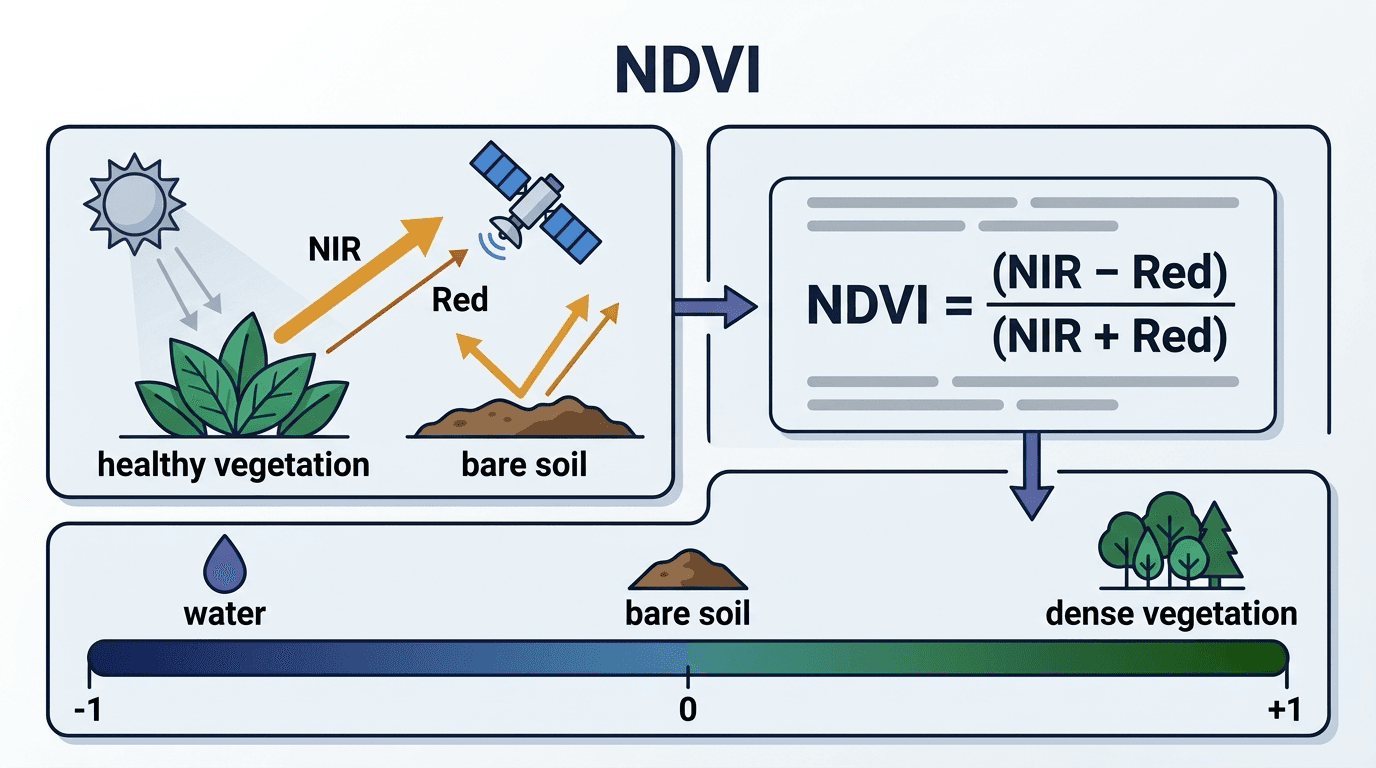
NDVI (Normalized Difference Vegetation Index) is an index derived by normalizing the reflectance dif
GPU (Graphics Processing Unit)
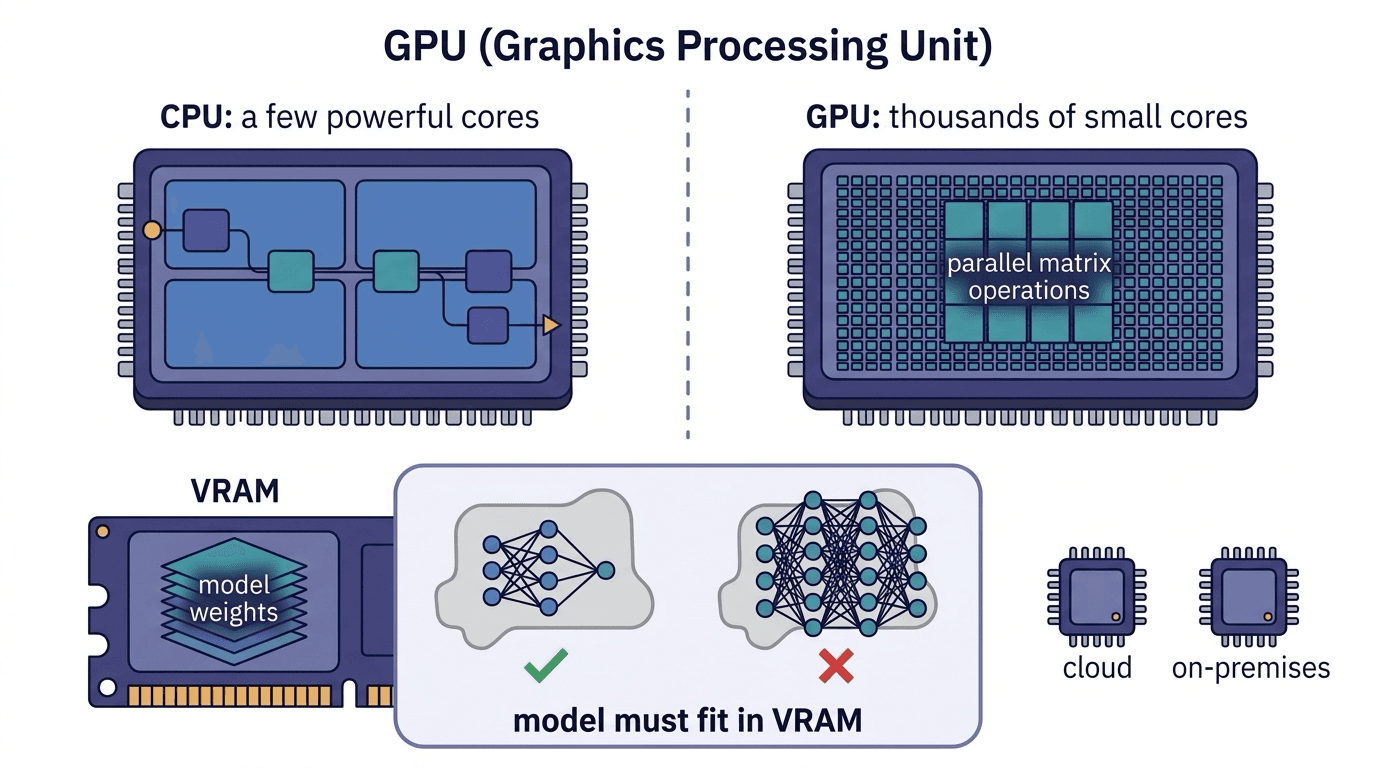
A GPU (Graphics Processing Unit) is a semiconductor chip that processes large volumes of parallel co
Sentinel-2
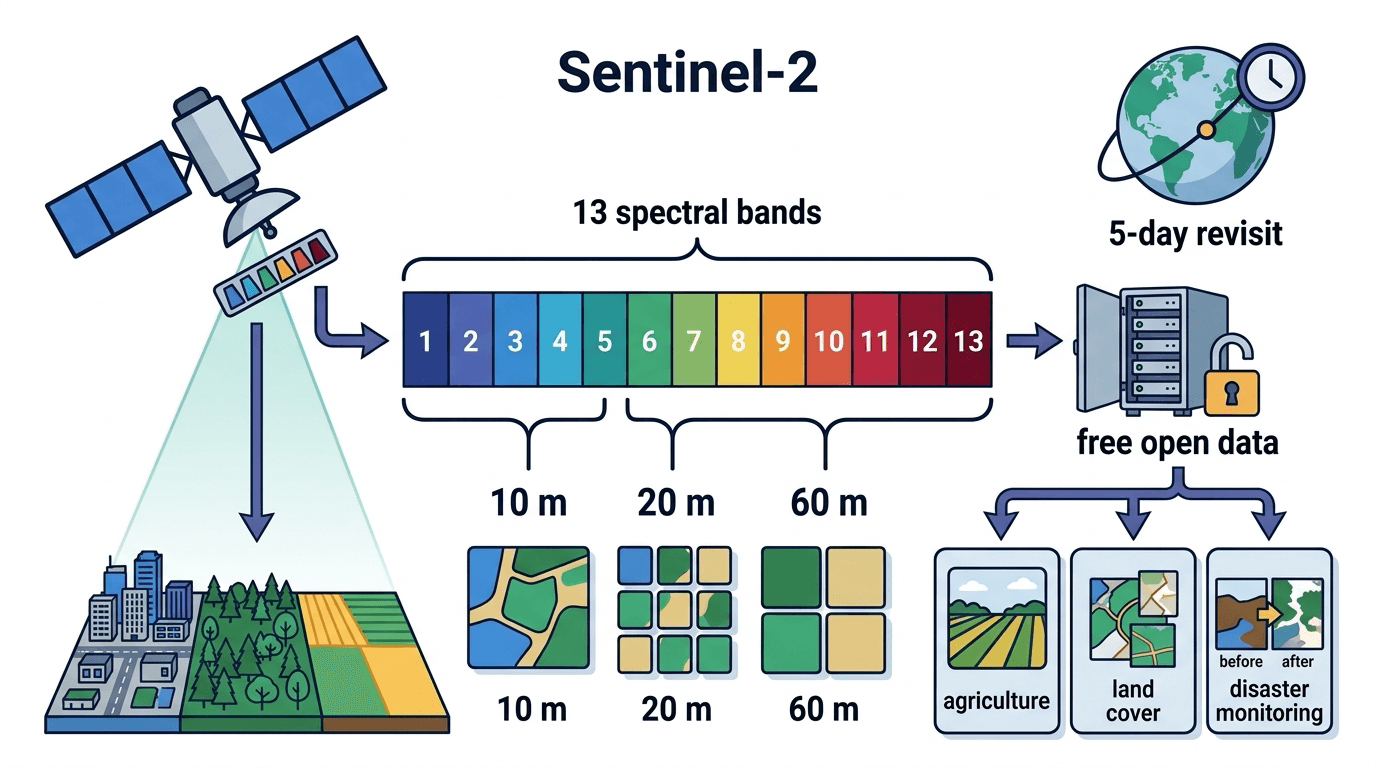
Sentinel-2 is an Earth observation satellite of the Copernicus program led by ESA (European Space Ag

Firecracker
Firecracker is an open-source virtual machine monitor (VMM) developed by AWS that boots lightweight