Vector Database
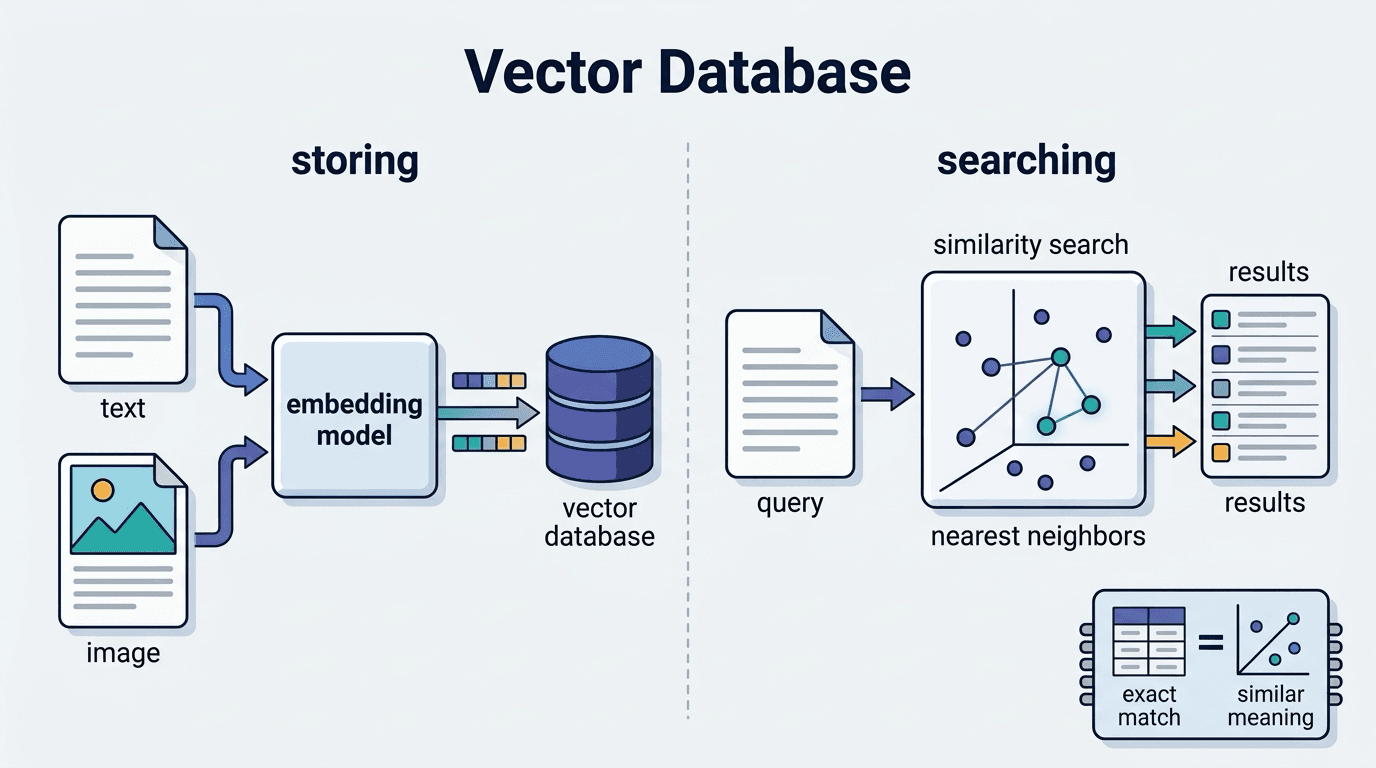
A vector database stores text, images, and other data as numerical vectors (embeddings) and provides fast search based on semantic similarity.
Traditional relational databases search by keyword matching. Searching for "dog" returns rows containing the string "dog" but misses "puppy" or "canine." Vector databases break through this limitation by converting text into vectors of hundreds to thousands of dimensions using embedding models and searching by "semantic distance" from the query.
Demand surged alongside the proliferation of RAG (Retrieval-Augmented Generation). To feed external knowledge to an LLM, relevant documents must first be retrieved at speed. Vector databases serve as the infrastructure for this search layer.
Major implementations include purpose-built databases like Pinecone and Weaviate, and extensions to existing databases like PostgreSQL's pgvector. pgvector is also integrated into Supabase, offering the advantage of embedding vector search within existing RDB operational workflows.
HNSW (Hierarchical Navigable Small World) is widely used as an indexing algorithm. The trade-off between search accuracy and speed, along with chunk size design and metadata filtering, are where practical expertise makes a difference.
Articles covering this term
- What is a Vector Database? A Complete Guide to How It Works, Top Product Comparisons, and RAG ApplicationsFrom basic vector database concepts to comparing top products like Pinecone, Weaviate, and pgvector, plus RAG system integration—a clear guide for AI implementation managers.
- What is Hybrid Search? How It Works and Implementation to Improve RAG Accuracy with Vector Search × Full-Text SearchExplains hybrid search using vector search, BM25, and RRF. Practical design patterns and implementation tips to improve RAG system retrieval accuracy.
- What Is AI Cross-Supply Chain Integration? A Design Approach to Breaking Down Silos and Achieving ROIDiscover how to design AI integration architecture across manufacturing, procurement, and logistics data silos—and solve the data quality issues blocking ROI for 89% of companies.
- What is Semantic Caching? How AI Gateways Reduce LLM Costs and Implementation GuideLearn how to cache AI responses using semantic similarity to reduce LLM calls for duplicate queries. Covers Semantic Cache integration with AI Gateway and cost savings estimates.


Related Terms
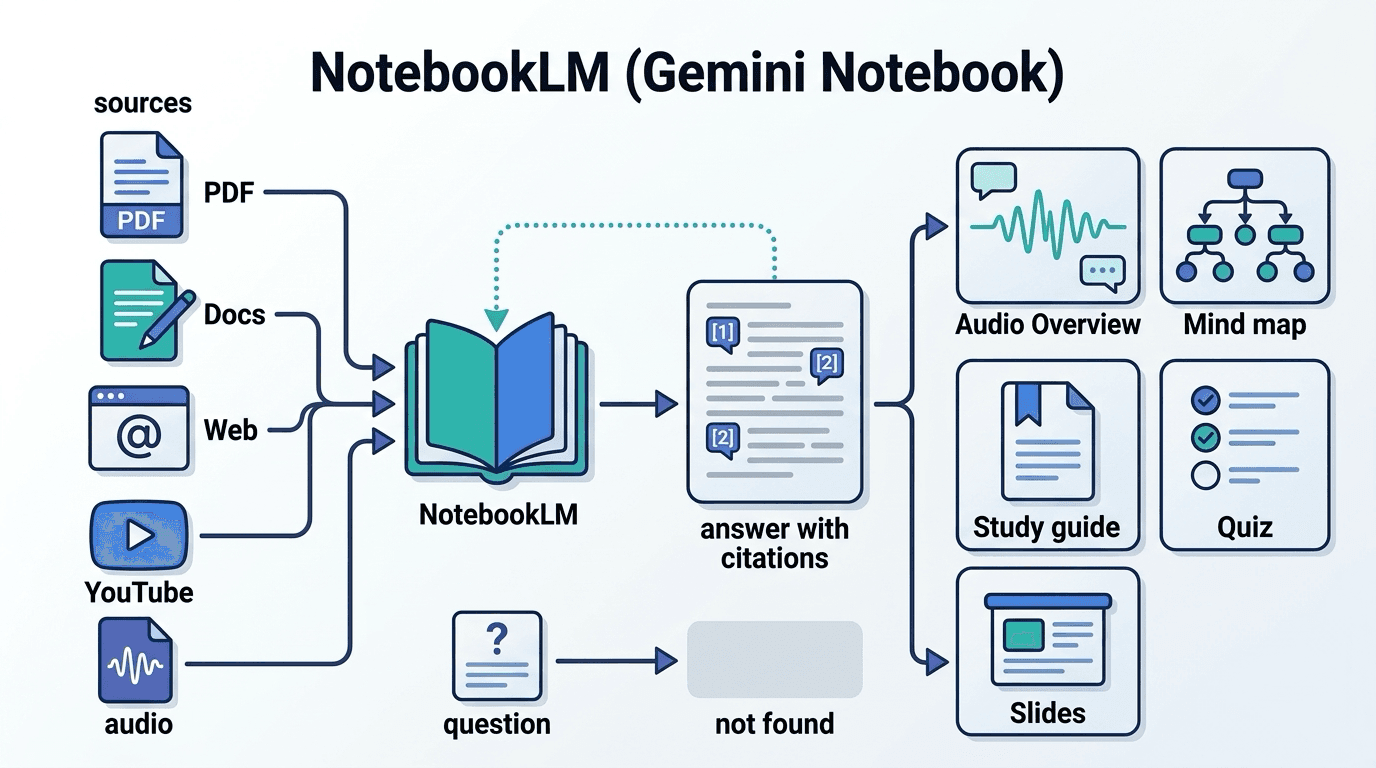
NotebookLM (now Gemini Notebook)
NotebookLM is Google's notebook-style AI that summarizes, answers questions and creates audio explan

RRF
RRF (Reciprocal Rank Fusion) is a scoring method that integrates ranking results returned by multipl
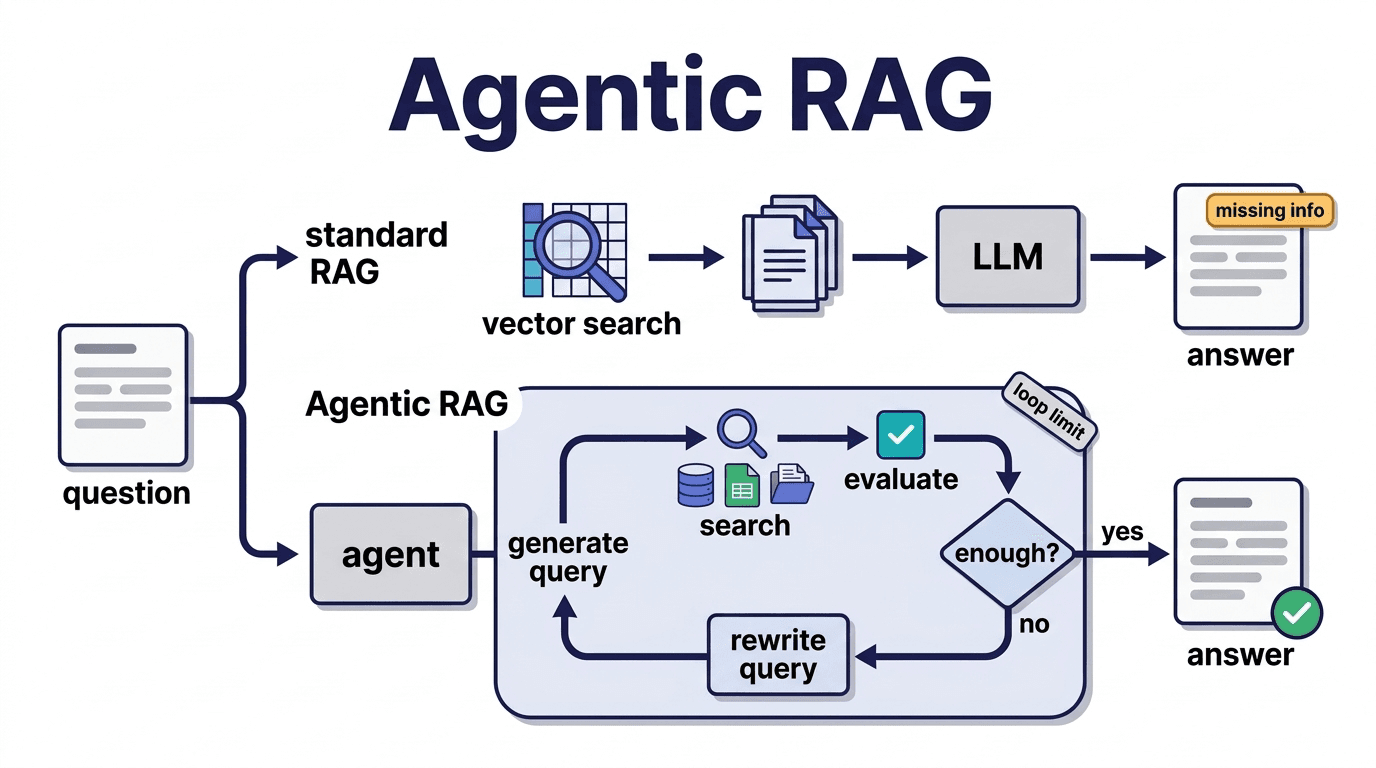
Agentic RAG
Agentic RAG is an architecture in which an LLM autonomously and iteratively generates search queries
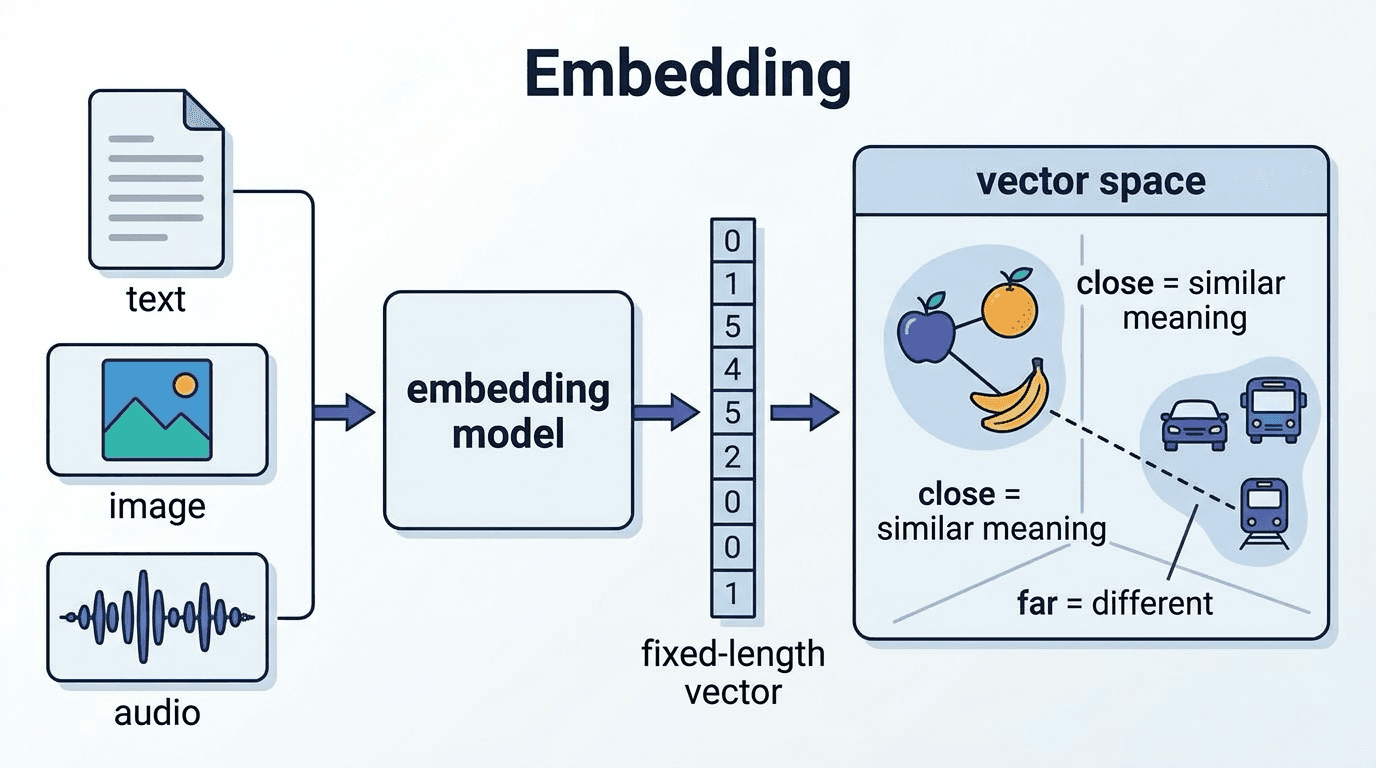
Embedding
Embedding is a technique that transforms unstructured data such as text, images, and audio into fixe