Gemini Embedding 2

Gemini Embedding 2 is a multimodal embedding model developed by Google, capable of converting text, images, video, audio, and documents into a single vector space.
Unlike conventional embedding models that handle only text, the defining feature of this model is its ability to map 5 types of media into a single semantic space. For example, an audio clip of an abnormal factory sound and a text document describing the corresponding equipment troubleshooting procedure can be placed in close proximity in vector space — enabling cross-modal search within a single model. In RAG pipelines where non-text knowledge needs to be searchable, this significantly reduces the overhead of preparing separate models for each modality.
The input window is 8,192 tokens, allowing for larger chunk sizes. Output dimensions reach up to 3,072, but thanks to the Matryoshka architecture, they can be reduced to 1,536 (balanced) or 768 (optimized for low-latency search). Task optimization parameters are also available, allowing the mathematical properties of vectors to be adjusted based on use cases such as retrieval and classification.
With native support for over 100 languages, the model is well-suited for multilingual RAG and cross-lingual search. Official integrations with LangChain, LlamaIndex, Weaviate, Qdrant, and ChromaDB are provided, enabling seamless incorporation into existing vector database infrastructure.
Pricing is $0.25 per 1 million tokens, with a free tier available. Migrating from the conventional text-embedding-004 is straightforward in terms of swapping the model ID, but since the vector spaces differ, existing indexes will need to be rebuilt. When fully leveraging multimodal input, careful design is required — including decisions on the granularity at which images and audio are included in the index, and balancing search accuracy against storage costs.
Articles covering this term
- What is Hybrid Search? How It Works and Implementation to Improve RAG Accuracy with Vector Search × Full-Text SearchExplains hybrid search using vector search, BM25, and RRF. Practical design patterns and implementation tips to improve RAG system retrieval accuracy.
- What is a Vector Database? A Complete Guide to How It Works, Top Product Comparisons, and RAG ApplicationsFrom basic vector database concepts to comparing top products like Pinecone, Weaviate, and pgvector, plus RAG system integration—a clear guide for AI implementation managers.
- What is Adaptive RAG? How to Balance Cost and Accuracy with Query-Driven Dynamic RetrievalLearn how Adaptive RAG eliminates inefficiencies of traditional RAG by selectively retrieving only when needed—covering mechanisms, implementation patterns, and B2B use cases.
- 10 RAG Implementation Failure Patterns and How to Avoid Them — Preventing Production Issues Before They Happen10 common RAG failures before & after production: chunk design errors, retrieval accuracy drops, hallucination fixes & more. Learn key avoidance strategies before you build.


Related Terms
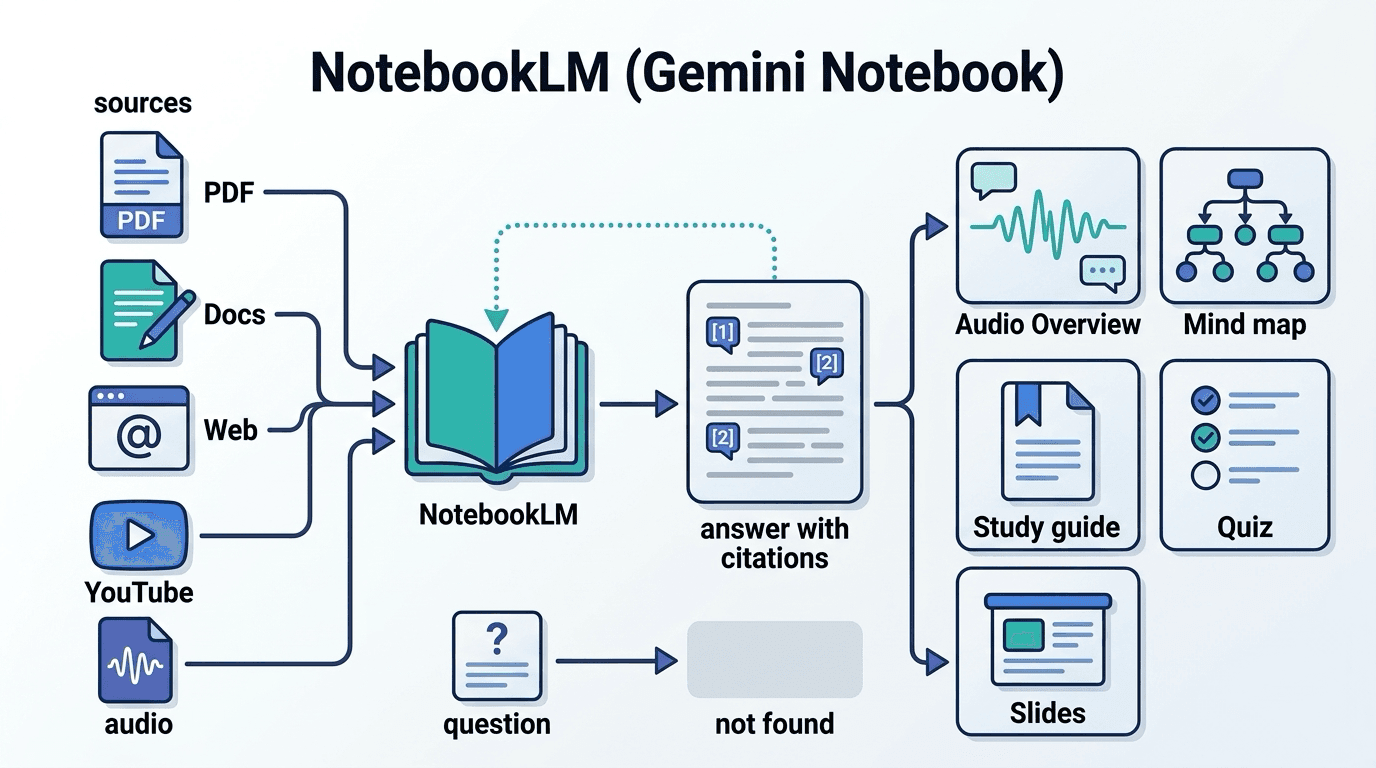
NotebookLM (now Gemini Notebook)
NotebookLM is Google's notebook-style AI that summarizes, answers questions and creates audio explan

RRF
RRF (Reciprocal Rank Fusion) is a scoring method that integrates ranking results returned by multipl
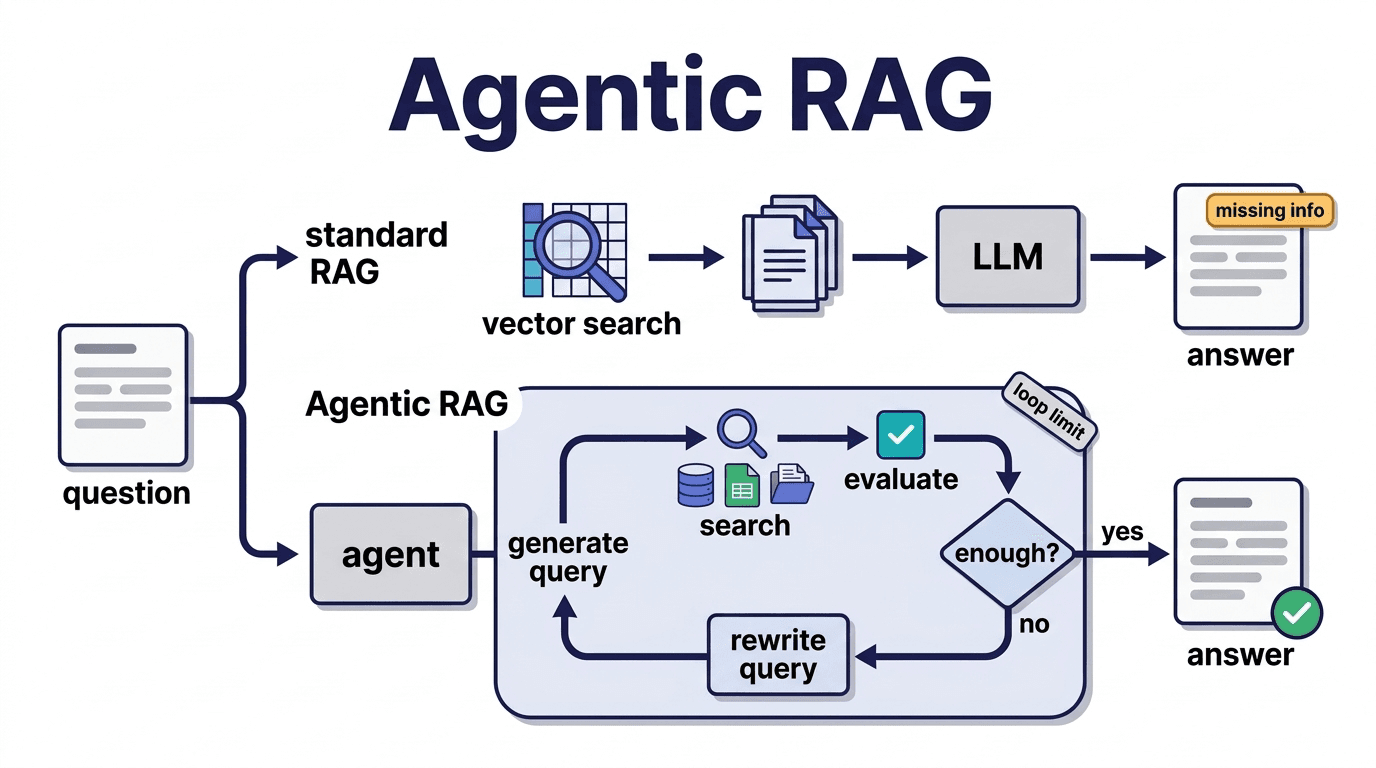
Agentic RAG
Agentic RAG is an architecture in which an LLM autonomously and iteratively generates search queries
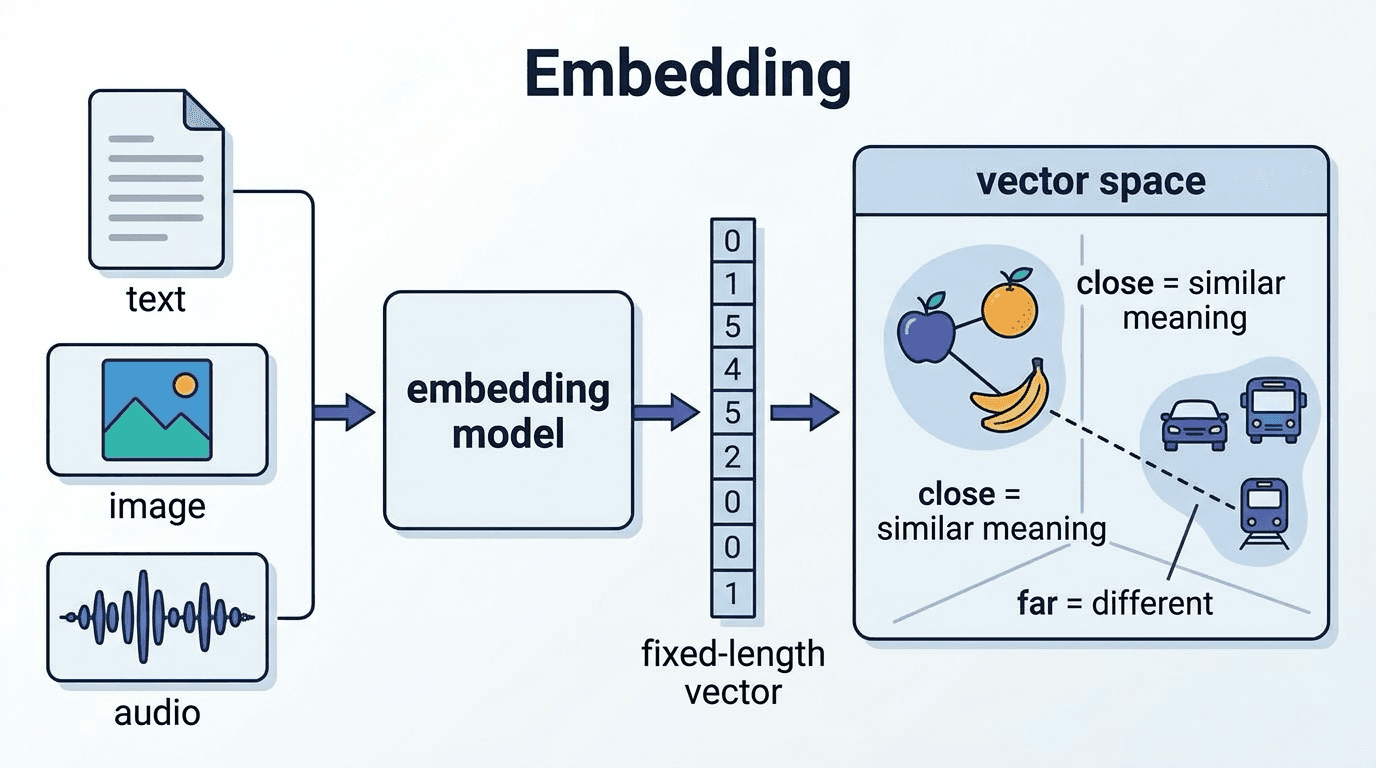
Embedding
Embedding is a technique that transforms unstructured data such as text, images, and audio into fixe