Edge AI

An architecture that runs AI inference on-device rather than in the cloud. It enables low latency, privacy protection, and offline operation.
What is Edge AI?
Edge AI refers to an architecture in which AI inference is executed directly on a device (edge device) without sending data to a cloud server. Typical execution environments include smartphones, surveillance cameras, industrial sensors, and in-vehicle computers.
Differences from Cloud AI
Cloud AI leverages high-performance GPUs over a network, achieving high accuracy, but faces three challenges: communication latency, communication costs, and privacy risks. Because Edge AI keeps data on the device itself, it holds a distinct advantage in domains where transmitting data externally is difficult—such as medical imaging or manufacturing line footage.
The Rise of SLMs as a Tailwind
Advances in SLM (Small Language Model) performance have transformed the practicality of Edge AI. By quantizing models with several billion parameters, it is increasingly possible to run them on smartphones while achieving 80–90% of the accuracy of large-scale models.
Key Considerations for Adoption
There is no need to move everything to the edge. A hybrid configuration is the pragmatic approach: handle inference requiring real-time responsiveness (anomaly detection, speech recognition) on the edge, while reserving training and batch analysis for the cloud. In field environments across Laos and Southeast Asia where network quality is unstable, the value of Edge AI that operates offline is particularly significant.
Articles covering this term
- What is Edge AI? How On-Device LLMs Work and How to Choose One for BusinessLearn the basics of edge AI & on-device LLMs, and how to design workflows requiring low latency, data privacy, or unstable connectivity—where cloud LLMs fall short.
- What Is AI Cross-Supply Chain Integration? A Design Approach to Breaking Down Silos and Achieving ROIDiscover how to design AI integration architecture across manufacturing, procurement, and logistics data silos—and solve the data quality issues blocking ROI for 89% of companies.
- What is SLM Distillation? How to Create Small Specialized Models from Large LLMsLearn how SLM distillation uses large LLMs as teachers to build cost-effective, task-specific private models—covering the mechanism and implementation steps.
- What Are Liquid Neural Networks? Next-Generation AI Inference with Dynamic BehaviorLearn how LNNs dynamically adapt time-constants during inference, how they differ from traditional models, and their edge AI potential—all while keeping trained weights fixed.


Related Terms
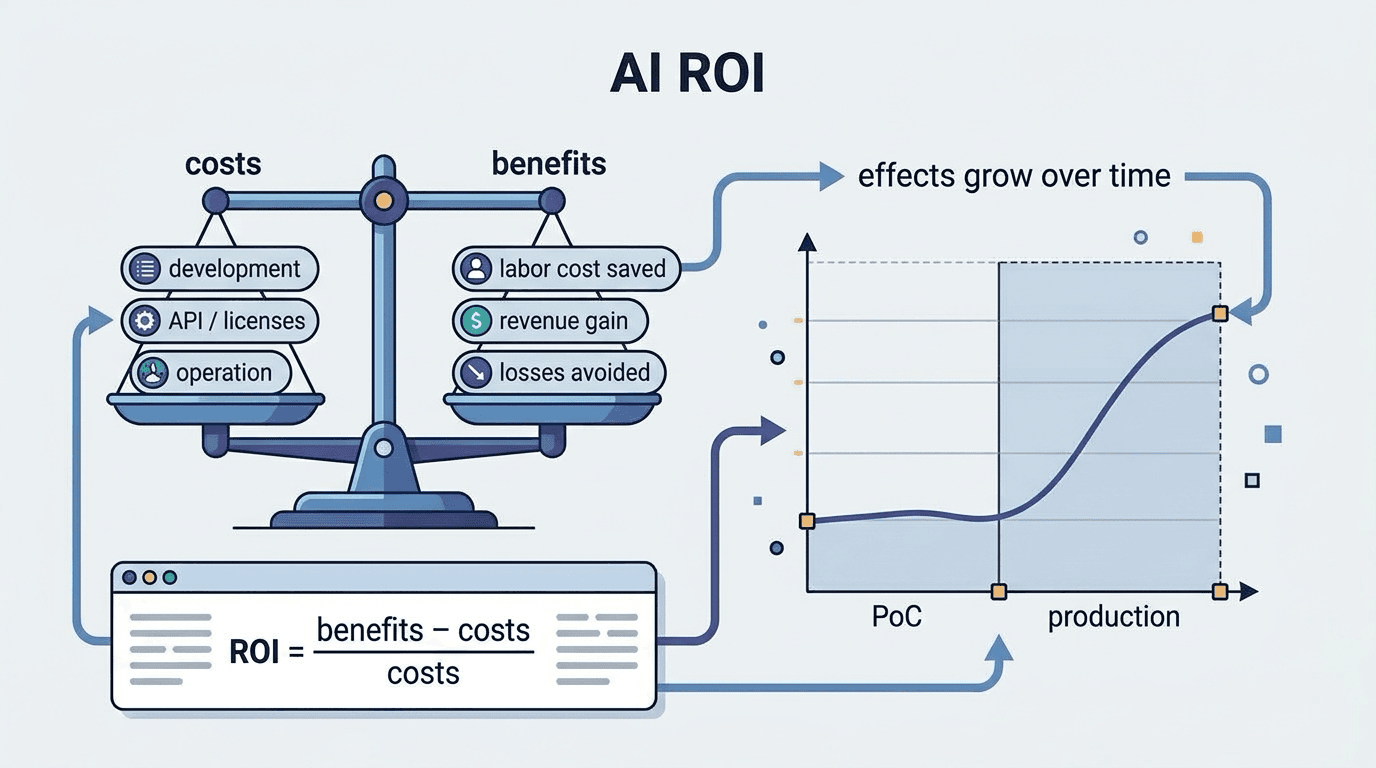
AI ROI (Return on Investment in AI)
AI ROI is a metric that quantitatively measures the effects obtained — such as operational efficienc

AI Observability
An operational practice of continuously monitoring and visualizing the inputs/outputs, latency, cost
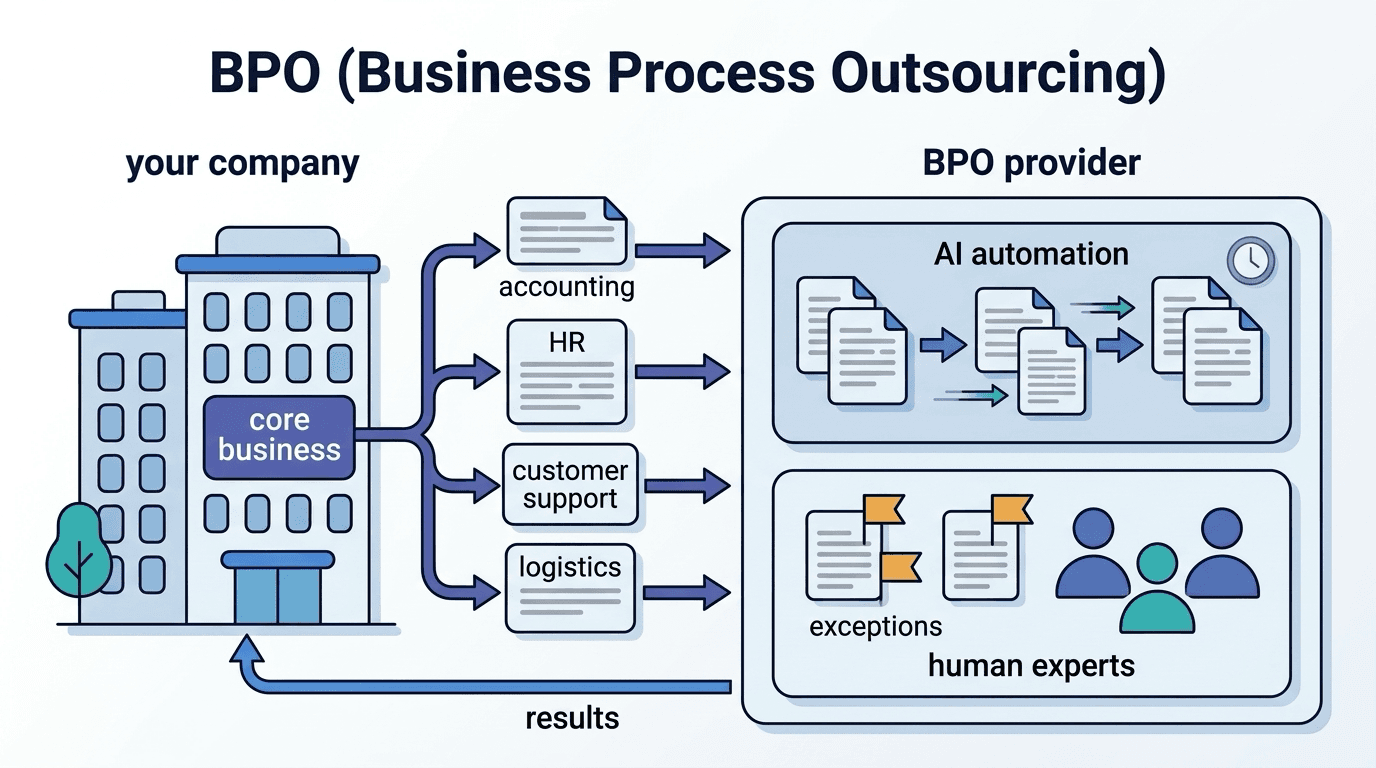
BPO (Business Process Outsourcing)
BPO refers to a form of outsourcing in which a company delegates specific business processes to an e

Demand Forecasting AI
Demand forecasting AI refers to a system that analyzes historical sales data and external factors us