AI Literacy (AI Literacy)
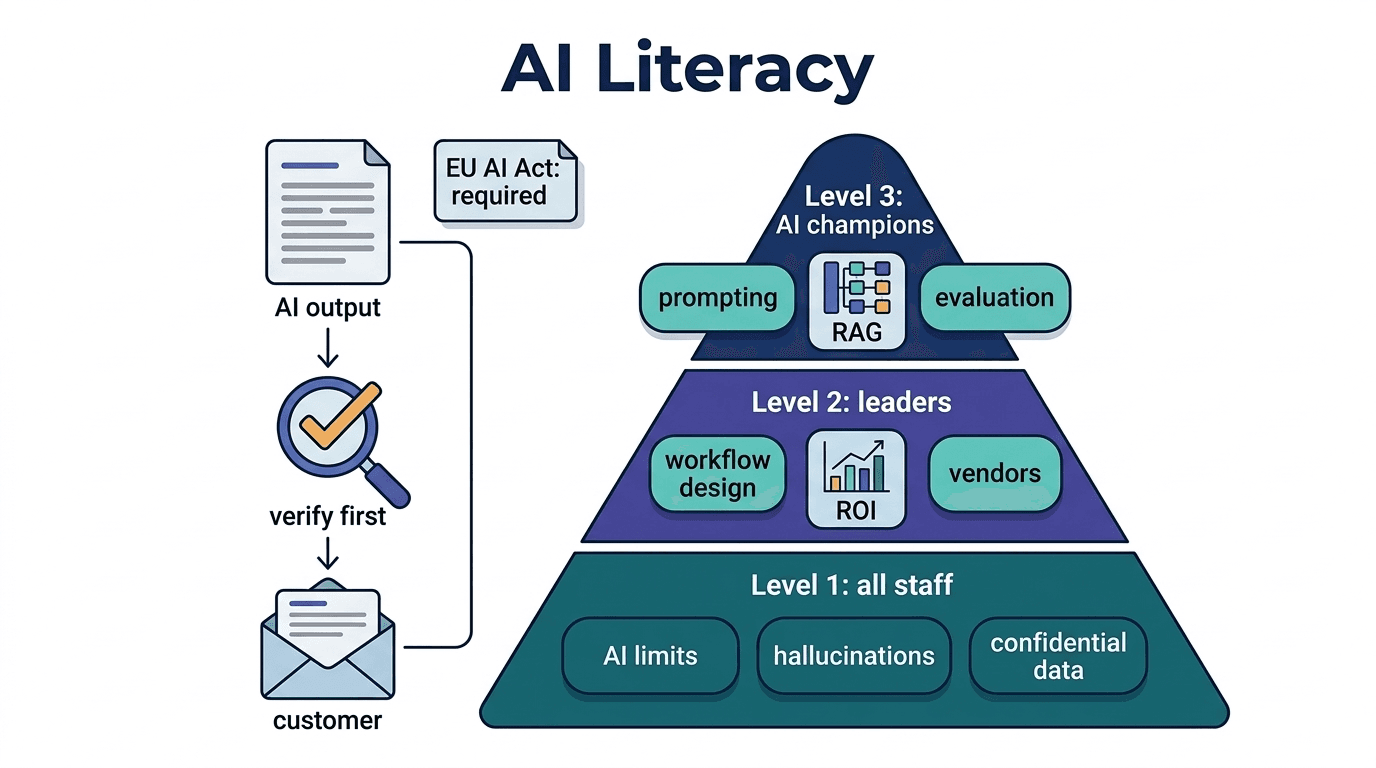
Knowledge and skills to understand the basic concepts, limitations, and risks of AI, and to appropriately utilize it in the workplace. Organizations are required to ensure this under the EU AI Act.
What is AI Literacy?
AI literacy refers to the collective knowledge and skills required to understand the fundamental concepts, capabilities and limitations, risks, and ethical issues of AI, and to appropriately leverage AI in professional and everyday contexts.
A Separate Skill from Programming Ability
AI literacy is not exclusive to engineers. A sales representative forwarding AI-generated output directly to a customer, or an accounting staff member including unverified AI-aggregated figures in a report—these risks can be prevented not through technical ability, but through knowing "the limitations of AI."
Mandated by the EU AI Act
The EU AI Act, effective February 2025, requires organizations to ensure AI literacy. Providers and deployers of AI systems must establish training frameworks so that employees can perform their duties with a foundational understanding of AI risks.
A Phased Development Design
There is no need to turn every employee into an AI engineer. A three-tiered approach is effective in practice.
Level 1 (All employees): Understanding what AI can and cannot do, awareness of hallucinations, and the risks of inputting confidential information
Level 2 (Department leaders): Workflow design for AI utilization, ROI evaluation, and foundational knowledge for vendor selection
Level 3 (AI promotion leads): Prompt engineering, RAG implementation, and evaluation metric design
The author believes the highest ROI comes from rolling out Level 1 company-wide in a half-day training session, then progressively offering Levels 2 and 3 to those who wish to advance.
Articles covering this term
- AI Governance for Small Teams: Scalable AI Governance for Small and Medium-Sized BusinessesLightweight AI governance frameworks & checklists for SMEs and startups to practically adopt enterprise-grade AI standards—even with limited resources.
- What Is an AI-Native Management Strategy? How to Fundamentally Redesign Your Business ModelFrom "adding AI" to "redesigning with AI." Learn AI-native management transition steps, ERP/FMS integration strategies, and real-world examples from Thai and Japanese companies.
- What Is Shadow AI Auditing? How to Detect and Manage Unauthorized AI Tools Used Within Your OrganizationDetect shadow AI (ChatGPT, Gemini) used without approval, and learn the audit process covering risk assessment, policy development, and PDPA compliance.
- How Thailand's Food & Restaurant Industry Can Start Using AI for Demand Forecasting, Shift Optimization, and Food Waste ReductionDiscover how Thai restaurant owners can use AI to forecast customer demand, optimize staff scheduling, reduce food waste, and streamline orders. Real-world steps & case studies.


Related Terms
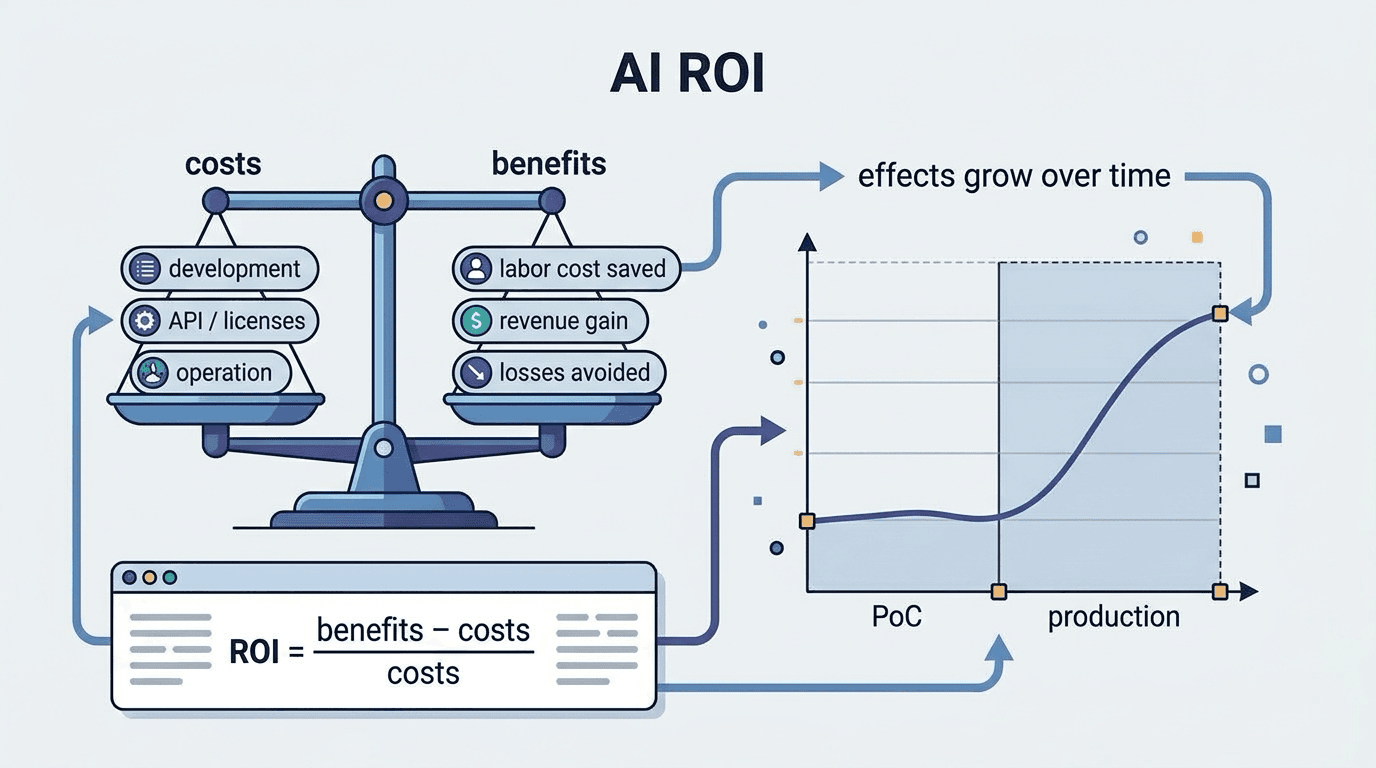
AI ROI (Return on Investment in AI)
AI ROI is a metric that quantitatively measures the effects obtained — such as operational efficienc

AI Observability
An operational practice of continuously monitoring and visualizing the inputs/outputs, latency, cost
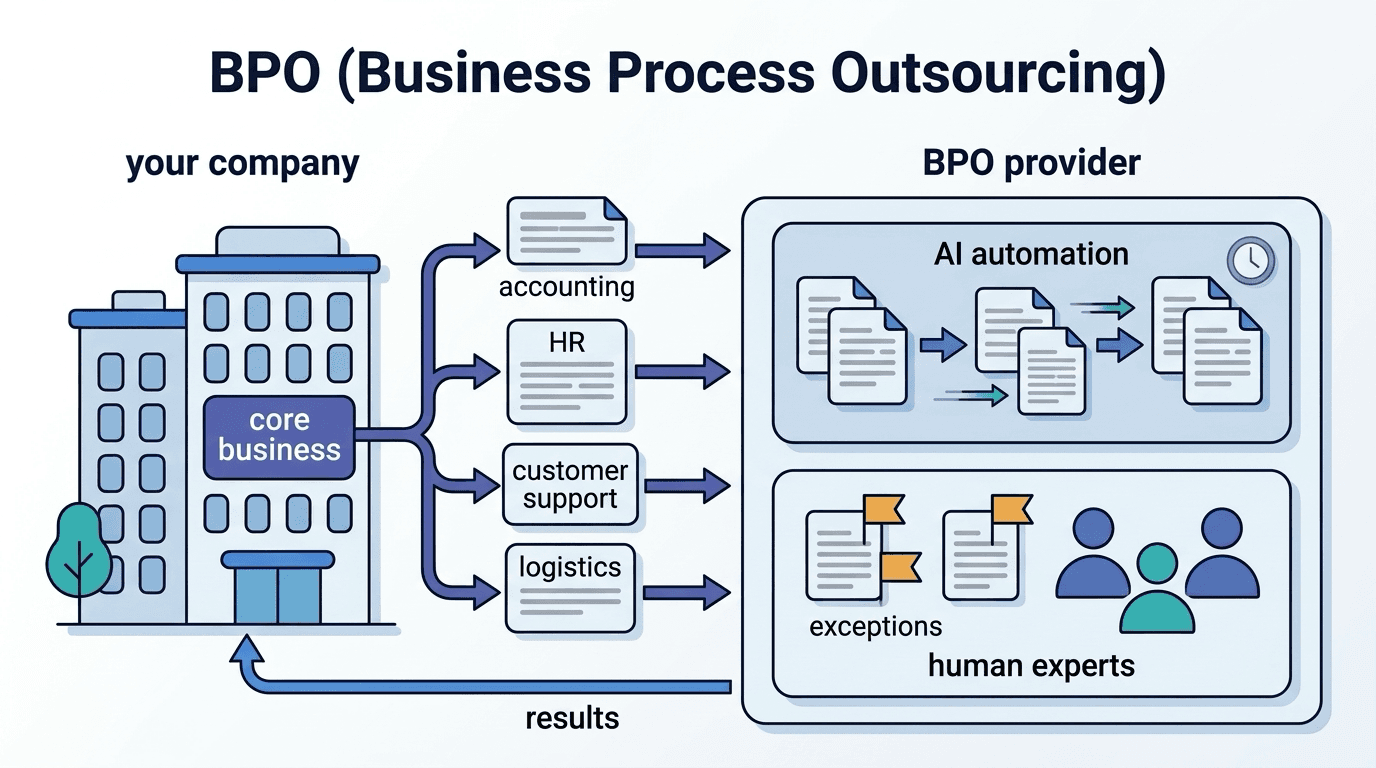
BPO (Business Process Outsourcing)
BPO refers to a form of outsourcing in which a company delegates specific business processes to an e

Demand Forecasting AI
Demand forecasting AI refers to a system that analyzes historical sales data and external factors us