Inference-time Scaling (Test-time Compute)

Inference-time scaling is a technique that dynamically increases or decreases the amount of computation used during a model's inference phase, allocating more "thinking steps" to difficult problems while providing immediate answers to simpler ones.
Scale Up Training, or Extend Inference?
Traditional LLM performance improvements have centered on "training-time scaling": more data, larger models, longer training runs. The evolution from GPT-3 to GPT-4 is a prime example of this approach.
Inference-time scaling operates on a different premise. Rather than increasing model size, it varies the amount of computation used at inference time based on the difficulty of the problem. "What's the weather today?" gets answered in one step, while "verify this mathematical proof" triggers dozens of steps of internal reasoning. OpenAI's o1/o3 and Anthropic's Claude with extended thinking both adopt this approach.
How It Works
The model internally generates "thinking tokens," explicitly unfolding the reasoning process before arriving at a final answer. The key difference from externally prompting Chain-of-Thought (CoT) is that the model itself generates long reasoning chains as needed, without external instruction.
Methods for controlling the compute budget vary by model. Options include setting an upper limit on token count, cutting off reasoning once confidence exceeds a threshold, or running multiple reasoning paths in parallel and taking a majority vote (Best-of-N).
Why It's Attracting Attention
Training-time scaling faces a "data wall" and a "cost wall." High-quality training data is finite, and doubling a model's size costs far more than simply twice as much. Inference-time scaling, by contrast, resembles a pay-as-you-go model where costs are incurred only when needed. In production environments where the majority of queries are straightforward, this approach allows average costs to be kept low while improving the ability to handle difficult problems.
As of 2026, "hybrid scaling"—combining both training-time and inference-time scaling—is becoming the mainstream approach.
Articles covering this term
- What is Inference-Time Scaling? How to Optimize the Trade-off Between AI Inference Cost and AccuracyLearn how Test-Time Compute scaling works and how to optimize the tradeoff between inference cost and accuracy. A practical guide to LLM operations and cost design in the age of reasoning models.
- Latency Budget Design for AI Agents — How to Control the Trade-off Between Thinking Time and Response TimeExplore how "thinking time" causes response delays in multi-step reasoning agents, and compare latency budget allocation strategies and implementation patterns based on task complexity.
- **Offshore Development Team AI Skill Acquisition: Bridging Learning Gaps When Adopting the Latest Models and Frameworks**
- What Is a Token Trap? Practical Token Consumption Management to Prevent Hidden Cost Explosions in AI AgentsLearn how "token traps" cause billing spikes in high-frequency agent loops, and how to prevent cost explosions with budget caps, throttling, and smart loop design.


Related Terms
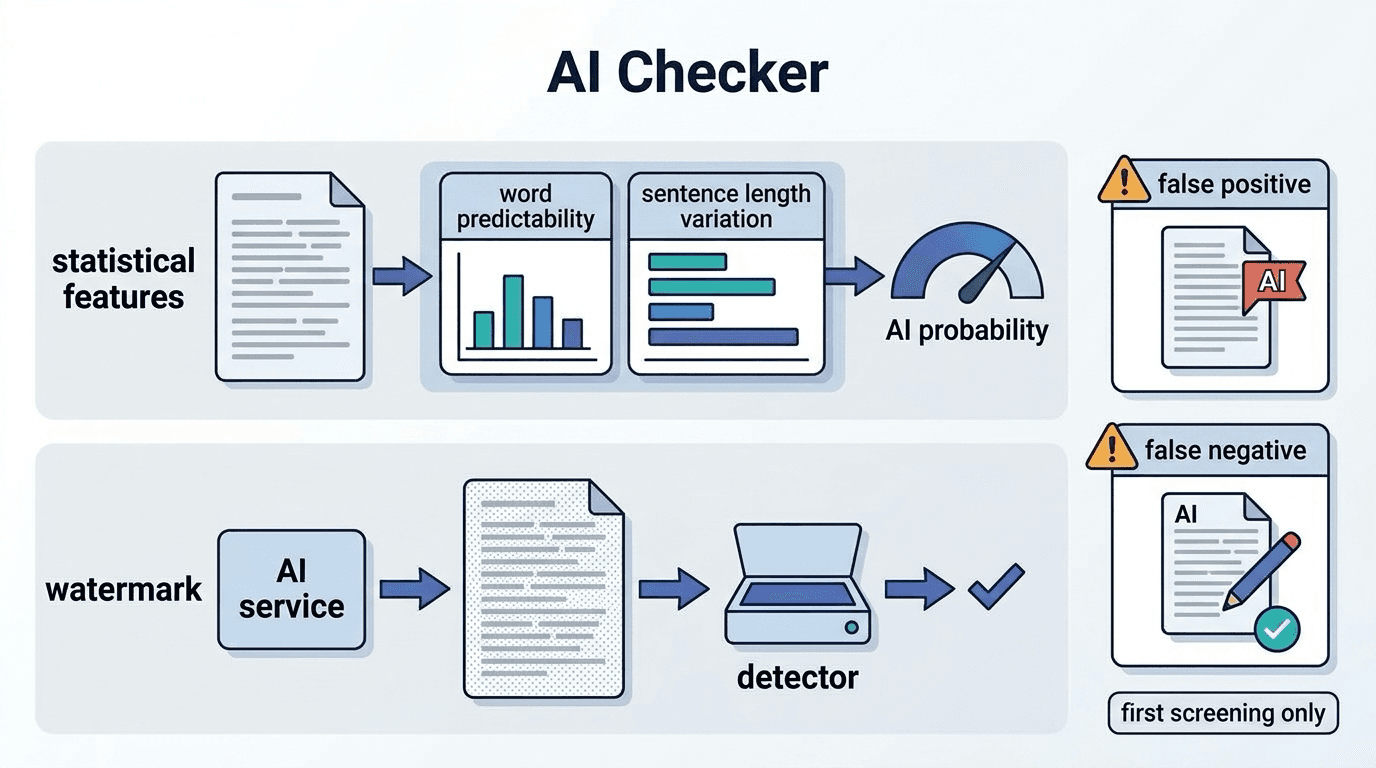
AI Checker (AI-generated text detector)
An AI checker is a tool that estimates whether a piece of writing was generated by AI, mainly from s
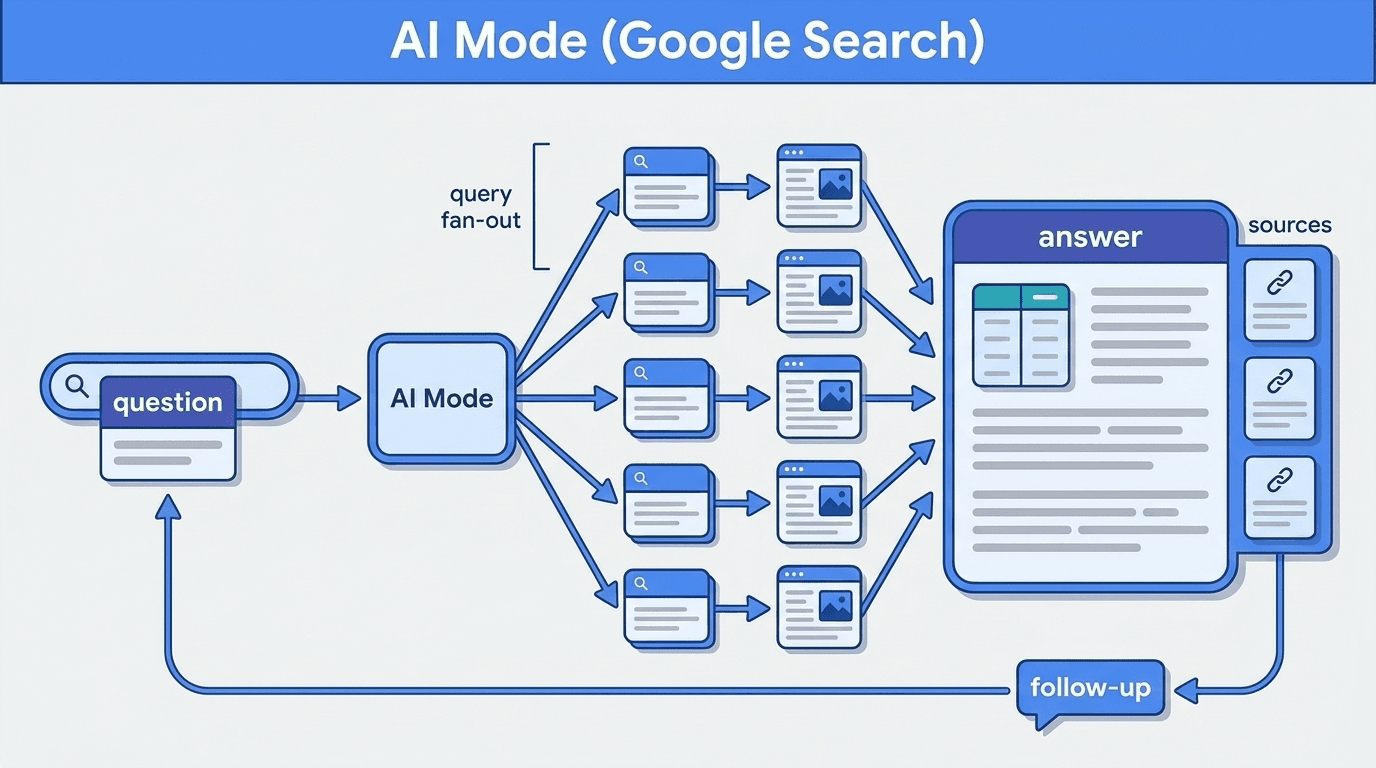
AI Mode (Google AI Mode)
AI Mode is a generative AI search mode built into Google Search that answers questions conversationa

Context Window
A context window refers to the maximum number of tokens an LLM can process at one time, indicating t
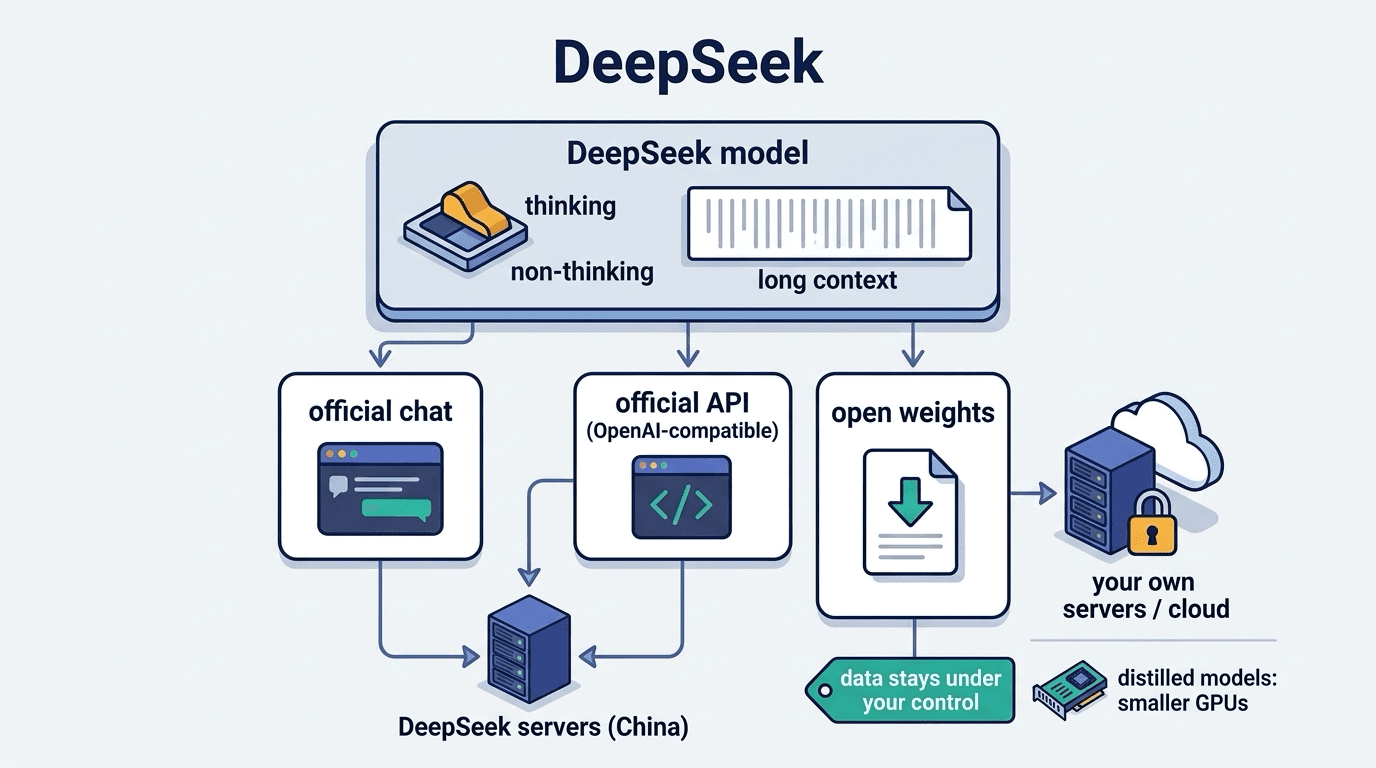
DeepSeek
DeepSeek is a family of large language models and a chat service developed by the Chinese company De