TDD

TDD (Test-Driven Development) is a development methodology in which tests are written before implementation code, repeating a short cycle of test failure (RED) → implementation (GREEN) → refactoring (Refactor).
RED → GREEN → Refactor
The TDD process is extremely simple.
First, write a test that describes the expected behavior of the feature you are about to implement. The test will naturally fail (RED). Next, write the minimum amount of code needed to make the test pass (GREEN). Finally, clean up the code without changing its behavior (Refactor). Repeat these three steps in short cycles of a few to several tens of minutes.
Tests as a Design Tool
Viewing TDD as a "testing methodology" misses the point. By writing tests first, the interface of a function—its arguments and return values—is determined before implementation begins. Because the API is designed from the caller's perspective, poorly usable interfaces are less likely to emerge. Kent Beck's motivation for advocating TDD was not to improve test coverage, but to improve design quality.
Distinguishing TDD from Unit Testing
The majority of tests written in TDD are unit tests. However, TDD is a methodology about when to write tests, while unit testing is about the scope of what to test. Within a TDD cycle, you may write tests equivalent to functional tests, and you can also write unit tests without using TDD.
Complementary Relationship with ATDD
While ATDD verifies the correctness of business requirements from the outside, TDD builds up the correctness of internal implementation from the inside. For an overall project, the ideal is a two-layer structure in which ATDD defines the acceptance criteria, and TDD is used to implement the individual functions that satisfy those criteria.
Articles covering this term
- Implementing ATDD (Acceptance Test-Driven Development): Differences from BDD and TDD, and Adoption PatternsExplains ATDD implementation steps. Covers differences from BDD/TDD, adoption patterns, and phased rollout for teams—a practical guide for QA engineers.
- What is Eval-Driven Development (EDD)? An Evaluation-First AI Development ProcessLearn how EDD integrates evaluation metrics throughout the entire cycle—not gut feeling—plus practical steps to auto-tune prompts and parameters.
- **Causes of PoC Failure and Lessons from Real Cases: Designing AI Adoption with Specification-Driven Development (SDD) and Acceptance Test-Driven Development (ATDD)**AI PoC failures often stem from ignoring AI-specific traits—inconsistent outputs, data-dependent performance, no clear pass/fail line—at the planning stage. Learn common failure patterns and how SDD and ATDD fix this.


Related Terms
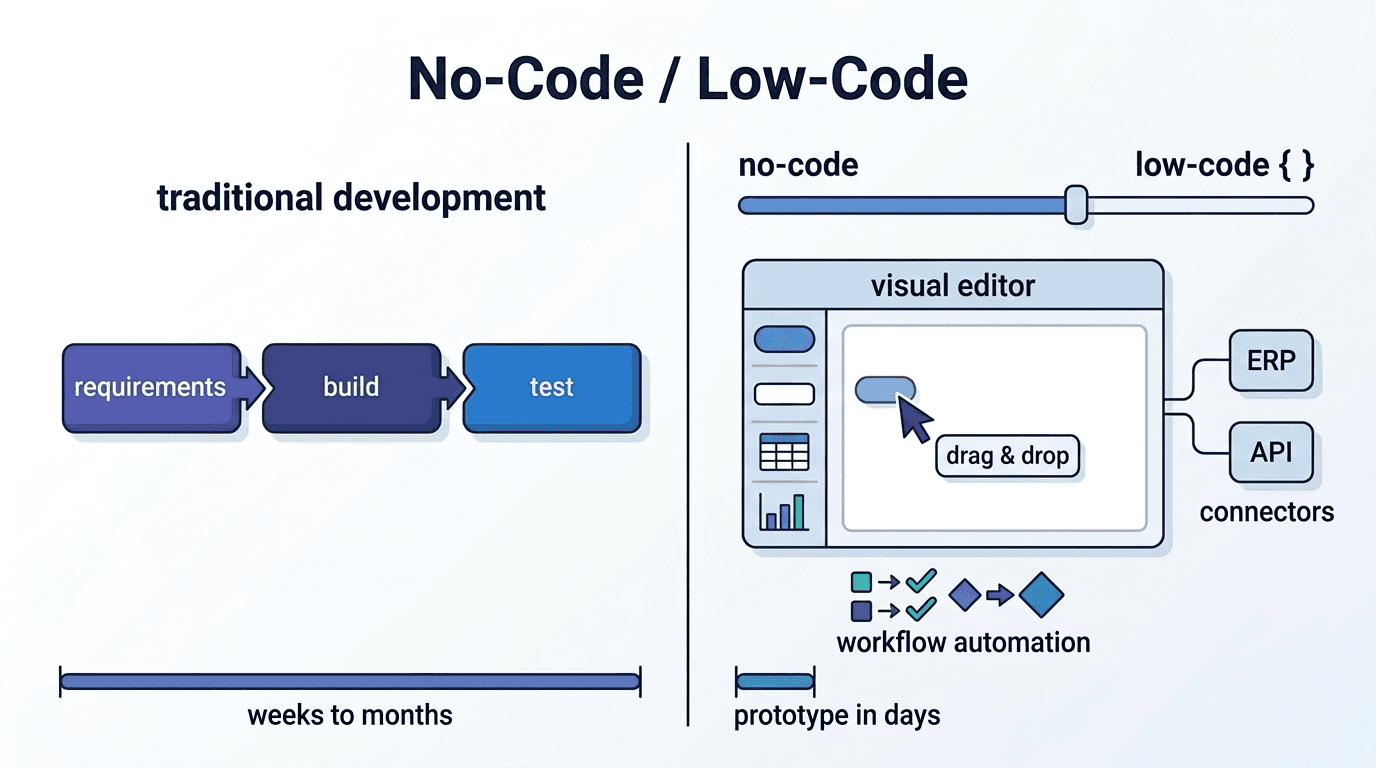
No-Code/Low-Code Development
No-code/low-code development is a development approach that minimizes the need for programming exper

E2E Test
E2E testing (End-to-End testing) is a testing methodology that simulates user interactions to drive
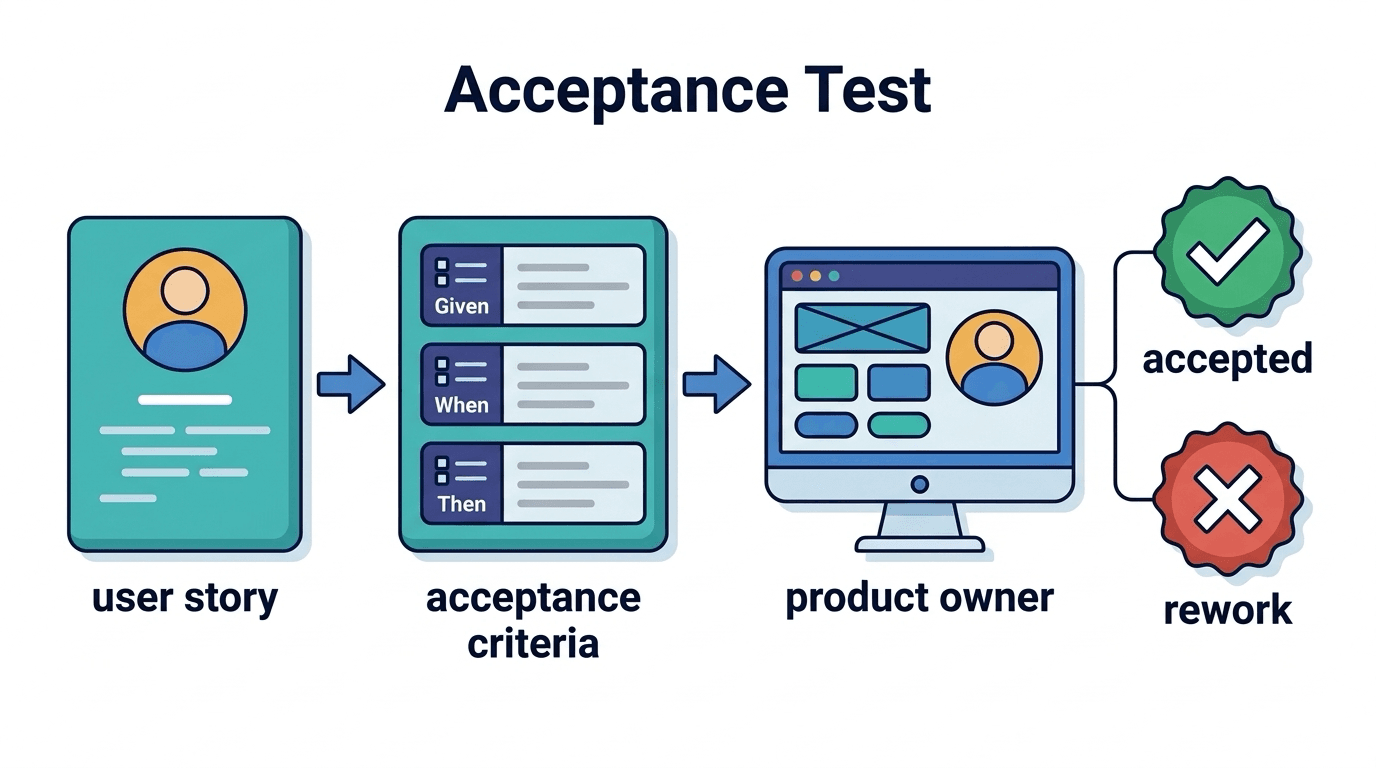
Acceptance Testing
Acceptance testing is a testing method that verifies whether developed features meet business requir

SSM (AWS Systems Manager)
AWS Systems Manager (SSM) is an AWS managed service for centrally operating and managing EC2 instanc