SLM (Small Language Model)

SLM (Small Language Model) is a general term for language models with a parameter count limited to approximately a few billion to ten billion, characterized by the ability to perform inference and fine-tuning with fewer computational resources compared to LLMs.
"Small" Does Not Mean Weak
In the world of LLMs, "bigger means smarter" has long been conventional wisdom. Compared to GPT-4's estimated 1.8 trillion parameters, SLMs sit at around 1B–10B — a difference of two orders of magnitude. However, since 2025, this conventional wisdom has been rapidly crumbling.
Microsoft's Phi-4 (14B) has achieved scores rivaling GPT-4o on several reasoning benchmarks. Google's Gemma 3, ranging from 1B to 27B, delivers extremely high performance per parameter for its size. Through improvements in model architecture and the curation of high-quality training data, "small but sufficient for specific tasks" has become a reality.
Where Are They Being Used?
SLMs have three primary battlegrounds.
Edge devices: Environments with limited GPU resources, such as smartphones, IoT gateways, and embedded systems. Apple's on-device inference running on iPhones is a prime example of SLMs in action.
Cost optimization: Using GPT-4-class models for routine tasks like classification, summarization, and data extraction is overkill. With SLMs, inference costs can be reduced to less than one-tenth.
Latency requirements: Scenarios demanding responses in tens of milliseconds, such as real-time chat, voice response, and game AI. With fewer parameters, inference speed is faster by orders of magnitude.
How to Use SLMs and LLMs Differently
LLMs still hold the advantage when general-purpose responses are needed — complex reasoning, multilingual support, and long-form generation. On the other hand, when tasks can be narrowed down, fine-tuning an SLM can outperform in terms of accuracy, speed, and cost all at once.
In practice, a standard workflow is emerging: "first prototype with an LLM API, then once the task is well-defined, distill it into an SLM to reduce costs." Distillation refers to the technique of training a smaller model using the outputs of a larger model as teacher data.
Articles covering this term
- Local LLM / SLM Deployment Comparison — AI Utilization Without Cloud API DependencyCompare open-weight models like GPT OSS, Phi-4, and Llama 4 Scout against cloud APIs on GPU requirements, task accuracy, and TCO. A local AI deployment guide for data sovereignty and cost optimization.
- What is Edge AI? How On-Device LLMs Work and How to Choose One for BusinessLearn the basics of edge AI & on-device LLMs, and how to design workflows requiring low latency, data privacy, or unstable connectivity—where cloud LLMs fall short.
- What is SLM Distillation? How to Create Small Specialized Models from Large LLMsLearn how SLM distillation uses large LLMs as teachers to build cost-effective, task-specific private models—covering the mechanism and implementation steps.
- What Is a Token Trap? Practical Token Consumption Management to Prevent Hidden Cost Explosions in AI AgentsLearn how "token traps" cause billing spikes in high-frequency agent loops, and how to prevent cost explosions with budget caps, throttling, and smart loop design.


Related Terms
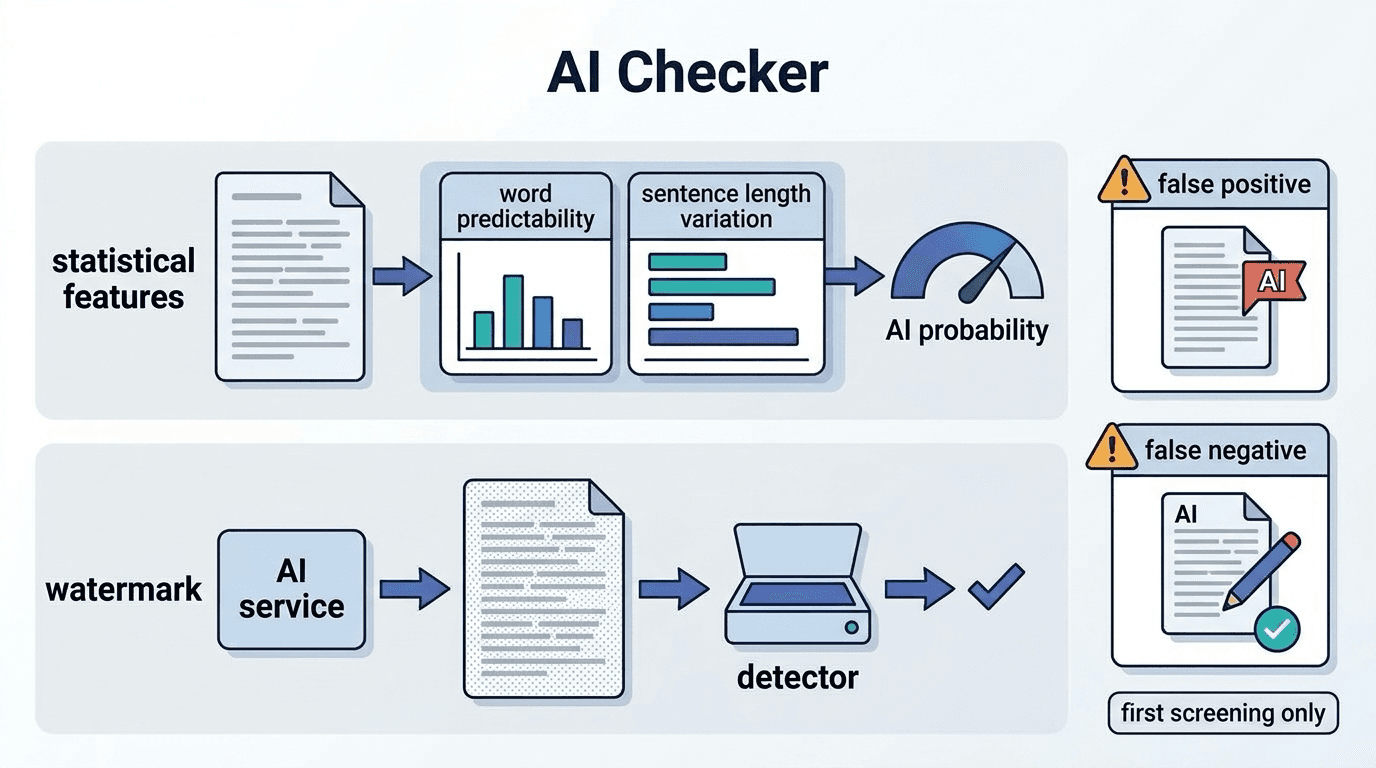
AI Checker (AI-generated text detector)
An AI checker is a tool that estimates whether a piece of writing was generated by AI, mainly from s
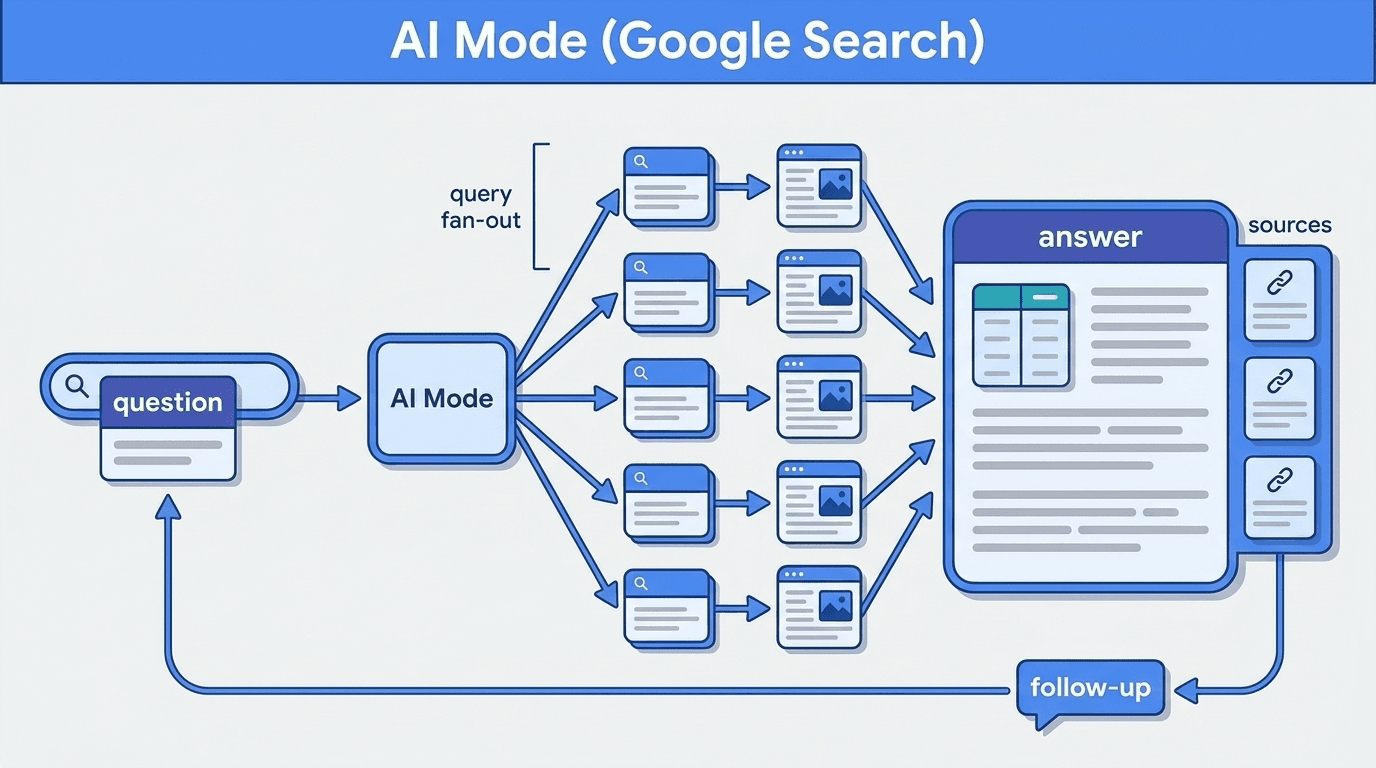
AI Mode (Google AI Mode)
AI Mode is a generative AI search mode built into Google Search that answers questions conversationa

Context Window
A context window refers to the maximum number of tokens an LLM can process at one time, indicating t
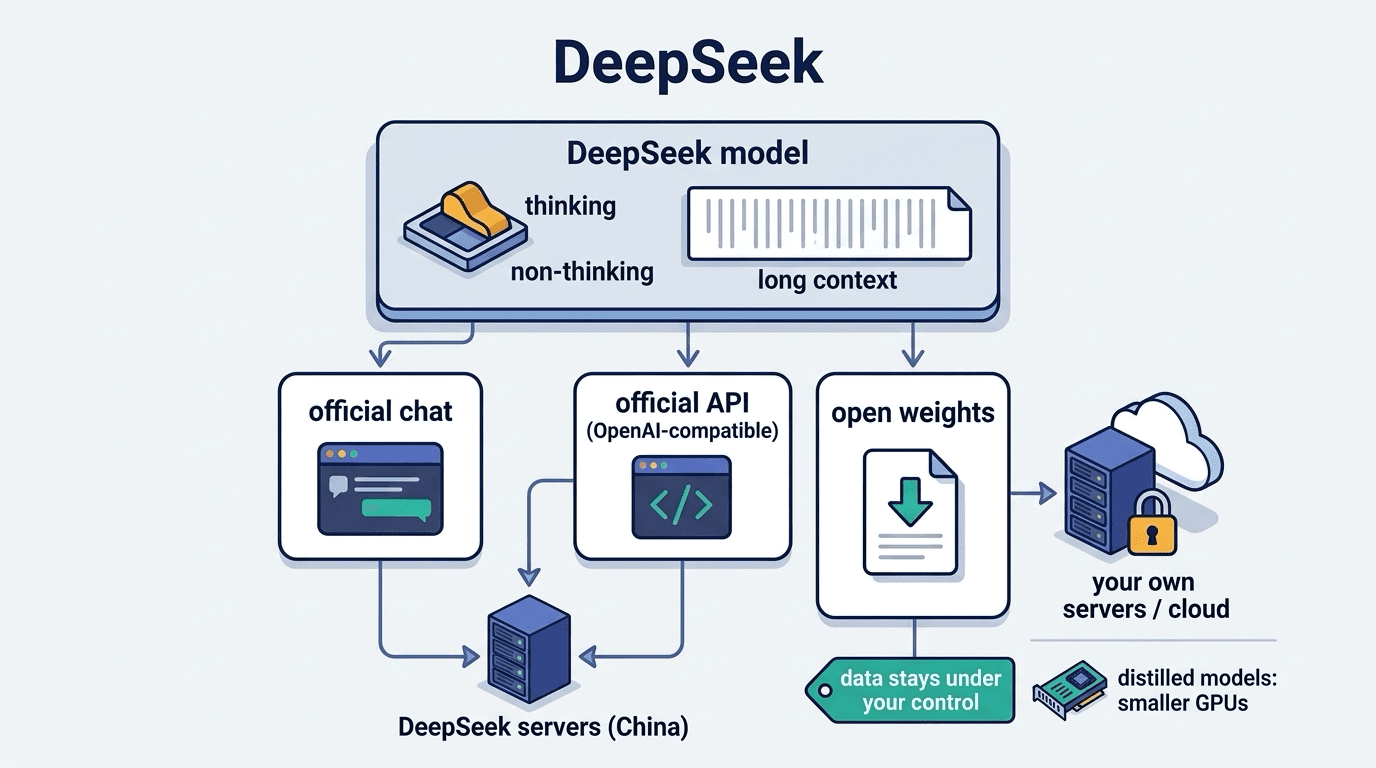
DeepSeek
DeepSeek is a family of large language models and a chat service developed by the Chinese company De