Retail Media
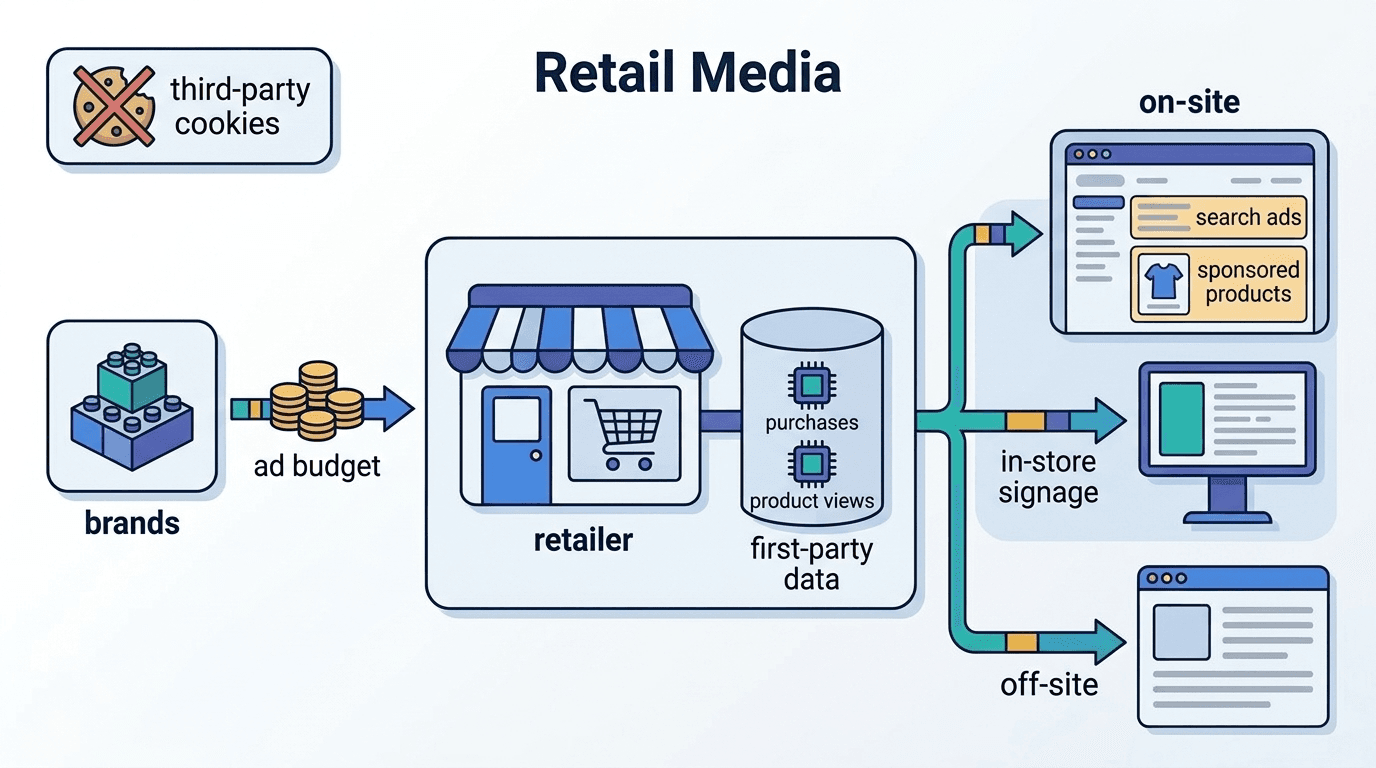
Retail media is an advertising mechanism in which retailers provide their digital touchpoints and in-store touchpoints as advertising surfaces, selling them to brands and manufacturers. It encompasses diverse formats including search ads, sponsored products, display, video, and in-store signage. As privacy regulations and tracking restrictions intensify, retail media is rapidly gaining prominence as a high-precision targeting channel built on retailers' first-party data.
Retail Media refers to an advertising mechanism in which retailers offer their digital touchpoints (e-commerce sites, apps) and in-store touchpoints (in-store digital signage) as advertising surfaces, selling them to brands and manufacturers. It encompasses diverse formats—search ads, sponsored products, display ads, video ads, and in-store digital signage—and in addition to on-site delivery, off-site delivery leveraging the retailer's first-party data across external media has also become a standard practice. In recent years, the broader concept of "Commerce Media" has emerged, encompassing retail media as its primary subcategory.
Why Retail Media Is Attracting Attention Now
The backdrop is the tightening of privacy regulations, tracking restrictions imposed by operating systems and browsers, and the growing instability of ad measurement and targeting that depends on third-party cookies. As the signals that traditional digital advertising relied upon erode, the value of first-party data (customer data collected directly by the retailer) held by retail companies has surged. Information such as "what consumers purchased," "which product pages they browsed," and "at what time of day they tend to buy" constitutes high-precision signals that directly reflect purchase intent—fundamentally different in quality from generic demographic data.
The advancement of [Generative AI](slug: generative-ai) is also providing tailwinds. Applications in the creative domain are expanding, including automated generation of ad creatives and improved efficiency in producing personalized ad copy. Meanwhile, integration with [Demand Forecasting AI](slug: demand-forecasting-ai) and [Dynamic Pricing](slug: dynamic-pricing) is more accurately characterized as an advanced use case of retail optimization rather than as part of the retail media definition itself.
Key Components of Retail Media
Based on industry standards from the IAB and similar bodies, retail media is broadly classified into three formats:
- On-site Advertising: Search ads, sponsored products, and banner ads displayed within e-commerce sites and proprietary apps. The primary strength is the ability to reach users immediately before a purchase decision
- Off-site Advertising: A format that leverages the retailer's first-party data to deliver ads across external publishers, social media, streaming platforms, and display networks. Integration via DSPs (Demand-Side Platforms) and data clean rooms is standard practice
- In-store Advertising: Ad delivery through digital signage and shelf-front monitors within physical stores. The IAB and IAB Europe have established definition and measurement standards, and store zone-level ad design has become a formal consideration
CDP (Customer Data Platform), data clean rooms, and measurement infrastructure are increasingly being adopted as integrated data foundations to manage these components.
Benefits and Considerations for Advertisers
For advertisers—primarily manufacturers and brands—the greatest benefit is the targeting precision backed by purchase data. Delivery at granular levels, such as "users who purchased a competing product within the past 30 days" or "users who regularly subscribe to a specific category," becomes possible. Closed-loop measurement enables direct measurement of sales contribution and ROAS as [KPIs](slug: key-performance-indicator). This is also an easy-to-evaluate model from an [AI ROI](slug: ai-roi) perspective.
At the same time, there are points to be mindful of. Because data formats and measurement methodologies differ across retailers, cross-retailer performance comparisons tend to be difficult. There is a tendency for data to become siloed within each company's proprietary walled gardens, and measuring incrementality remains an industry-wide challenge.
From a privacy protection standpoint, compliance with data protection legislation across jurisdictions is indispensable—including GDPR (EU), CCPA/CPRA (California, US), and [PDPA](slug: pdpa) (Thailand). Specifically, consent management, opt-in/opt-out compliance, data governance frameworks, data collaboration through clean rooms, and proper access controls are required.
This advertising model, centered on purchase data as a "signal of intent," is driving a structural shift that tilts the balance of power in digital marketing toward retailers. Beyond mere diversification of advertising revenue, it holds the potential to redefine the competitive advantages of retail itself—through collaborative marketing with brands, integration with shelf space optimization, and more.
Articles covering this term

Related Terms
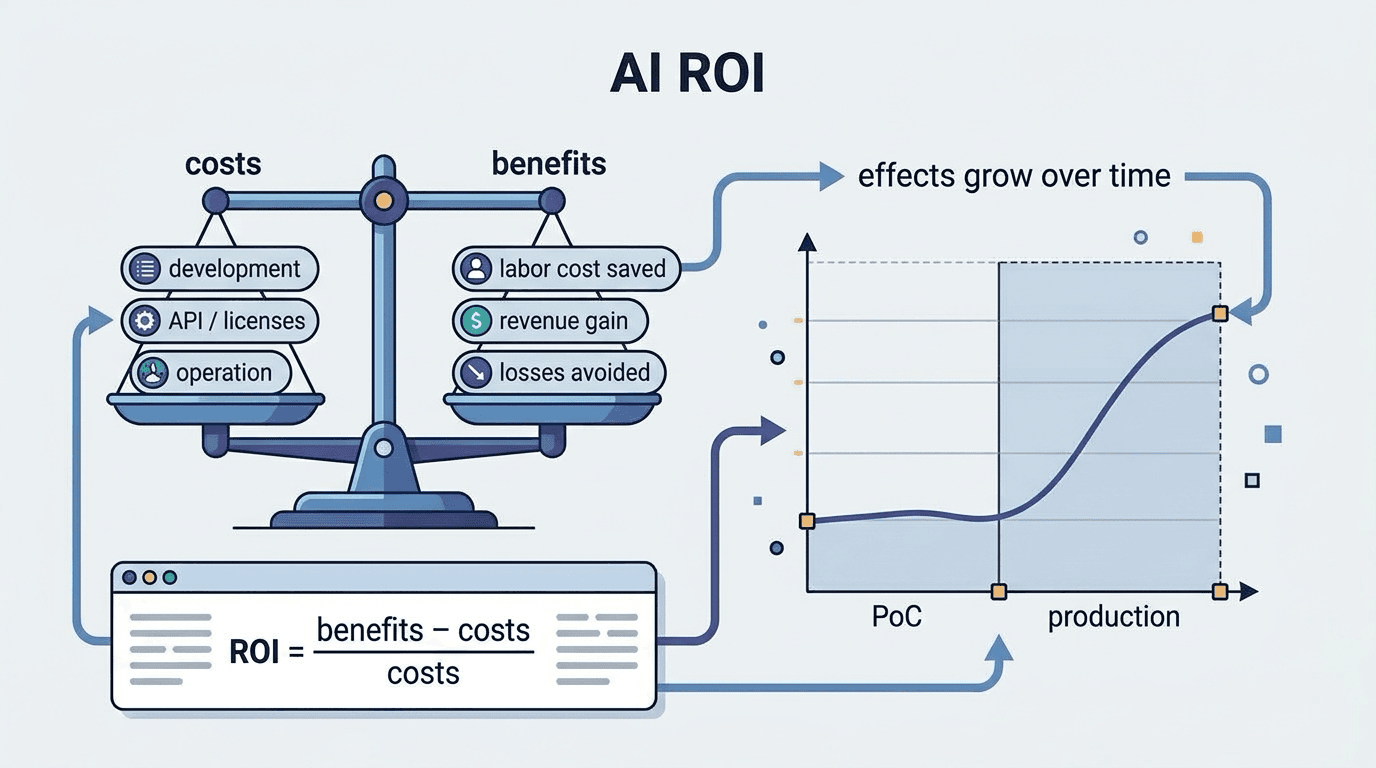
AI ROI (Return on Investment in AI)
AI ROI is a metric that quantitatively measures the effects obtained — such as operational efficienc

AI Observability
An operational practice of continuously monitoring and visualizing the inputs/outputs, latency, cost
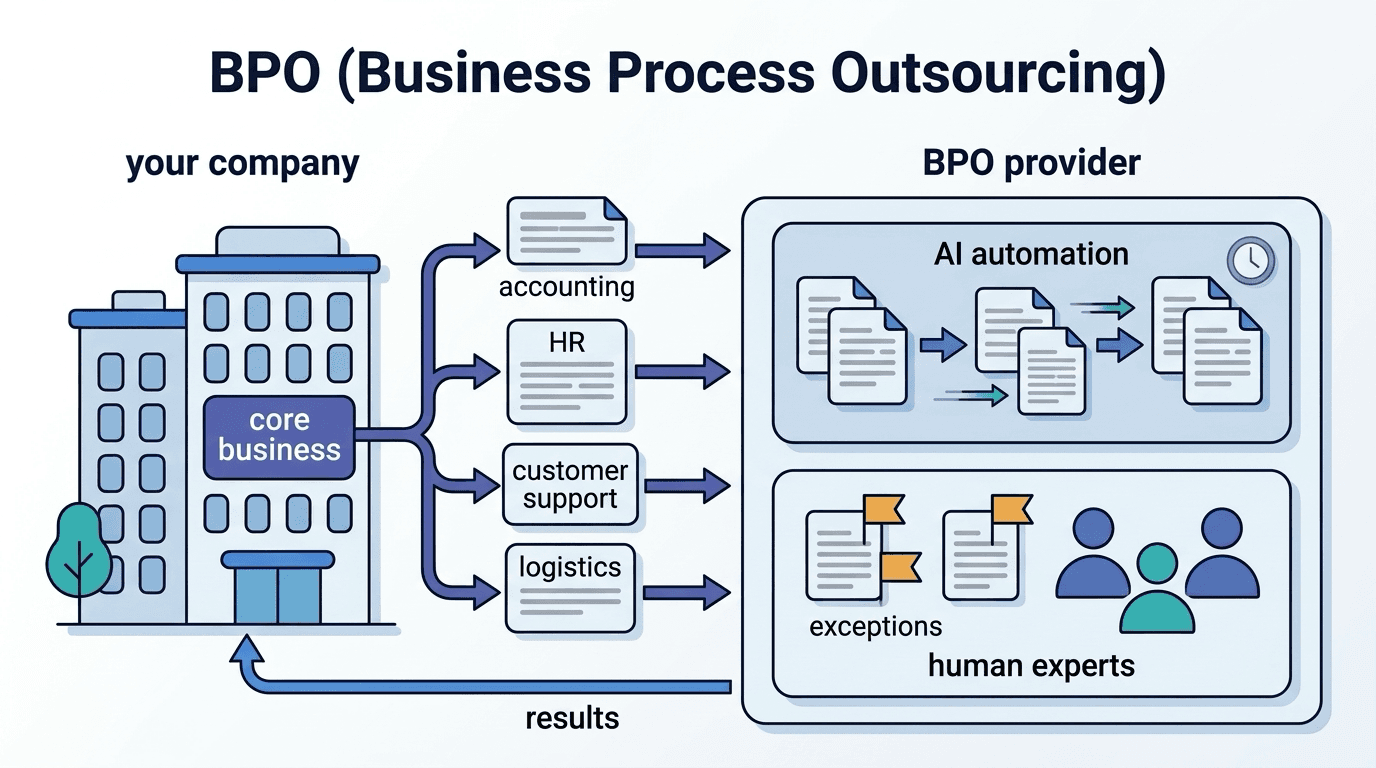
BPO (Business Process Outsourcing)
BPO refers to a form of outsourcing in which a company delegates specific business processes to an e

Demand Forecasting AI
Demand forecasting AI refers to a system that analyzes historical sales data and external factors us