Reasoning Model

A type of large language model that generates an explicit chain of thought before responding, solving complex problems step by step.
What Are Reasoning Models?
A reasoning model is a type of LLM that internally generates an explicit Chain of Thought before producing an answer, solving complex problems such as mathematical proofs and code generation in a step-by-step manner.
While a standard LLM predicts the next token "intuitively," a reasoning model decomposes a problem and reaches a final answer through self-verification of intermediate steps. It can also be seen as a design that embodies the concept of Test-time Compute scaling.
Representative Models
Examples include OpenAI's o series, DeepSeek-R1, and Anthropic Claude's extended thinking mode. All of these tend to achieve higher accuracy the more "thinking time" they are given, and a notable feature is that users can control the trade-off between the number of reasoning tokens and accuracy.
Identifying the Right Use Cases
Reasoning models are not a universal solution. For tasks that require immediate responses—such as simple summarization or translation—standard LLMs are more advantageous in terms of both cost and speed. In the author's experience, using a standard model for internal knowledge Q&A and a reasoning model for contract risk analysis tends to offer better cost-effectiveness.
The first step to adopting reasoning models is to clarify in advance which tasks genuinely require "thinking time."
Articles covering this term
- What is Inference-Time Scaling? How to Optimize the Trade-off Between AI Inference Cost and AccuracyLearn how Test-Time Compute scaling works and how to optimize the tradeoff between inference cost and accuracy. A practical guide to LLM operations and cost design in the age of reasoning models.
- What Is a Token Trap? Practical Token Consumption Management to Prevent Hidden Cost Explosions in AI AgentsLearn how "token traps" cause billing spikes in high-frequency agent loops, and how to prevent cost explosions with budget caps, throttling, and smart loop design.
- Latency Budget Design for AI Agents — How to Control the Trade-off Between Thinking Time and Response TimeExplore how "thinking time" causes response delays in multi-step reasoning agents, and compare latency budget allocation strategies and implementation patterns based on task complexity.
- What Are AI Agents? A Next-Generation AI Utilization Guide for Thai Businesses to Autonomously Automate OperationsLearn how AI agents work and how Thai businesses can use them. Discover differences from chatbots, implementation steps, and real use cases.


Related Terms
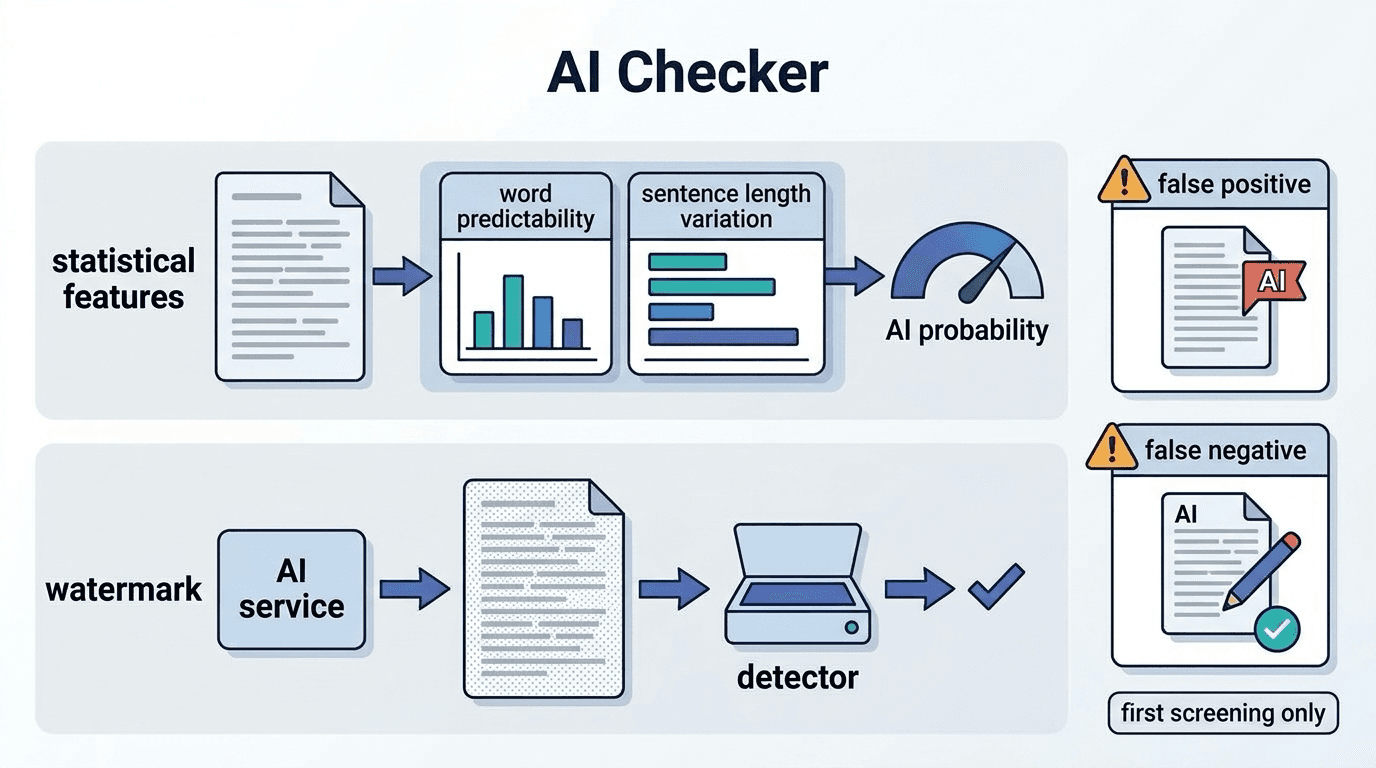
AI Checker (AI-generated text detector)
An AI checker is a tool that estimates whether a piece of writing was generated by AI, mainly from s
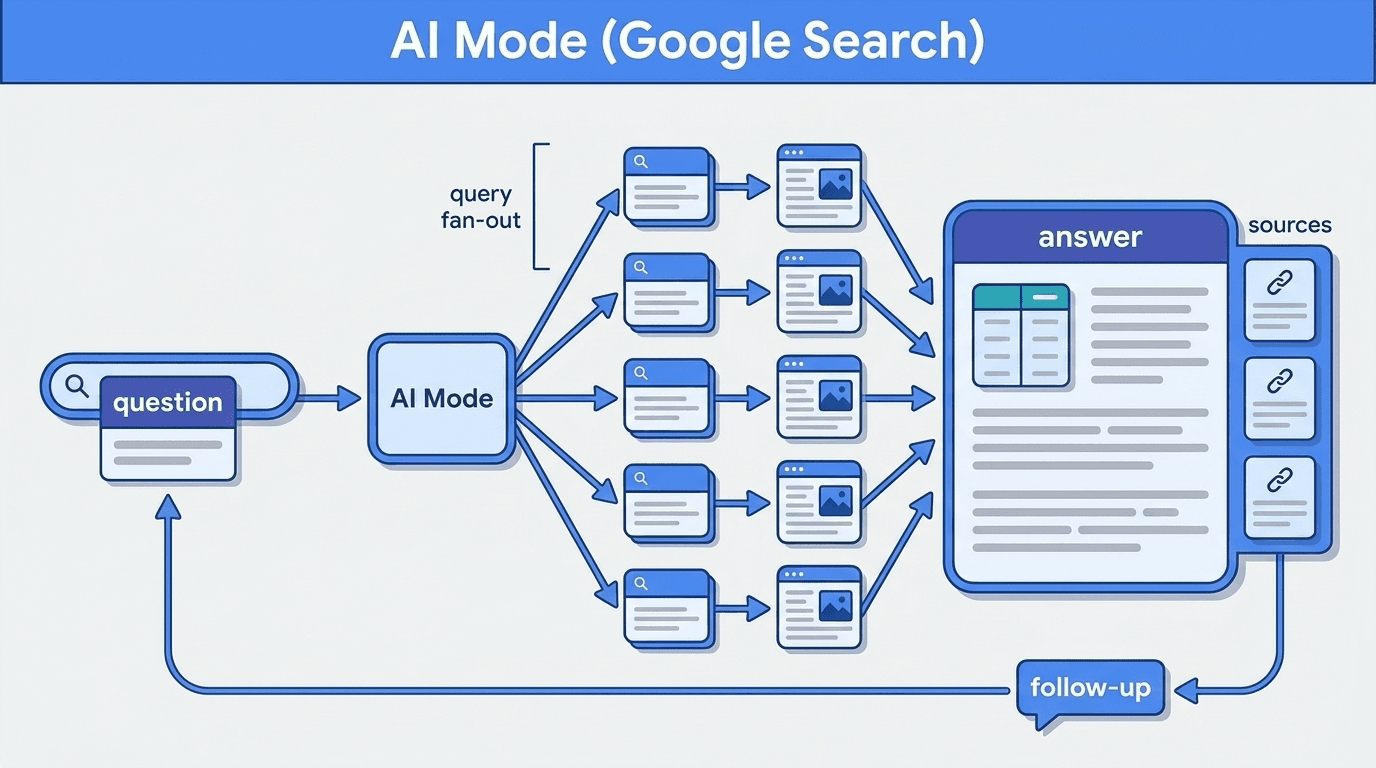
AI Mode (Google AI Mode)
AI Mode is a generative AI search mode built into Google Search that answers questions conversationa

Context Window
A context window refers to the maximum number of tokens an LLM can process at one time, indicating t
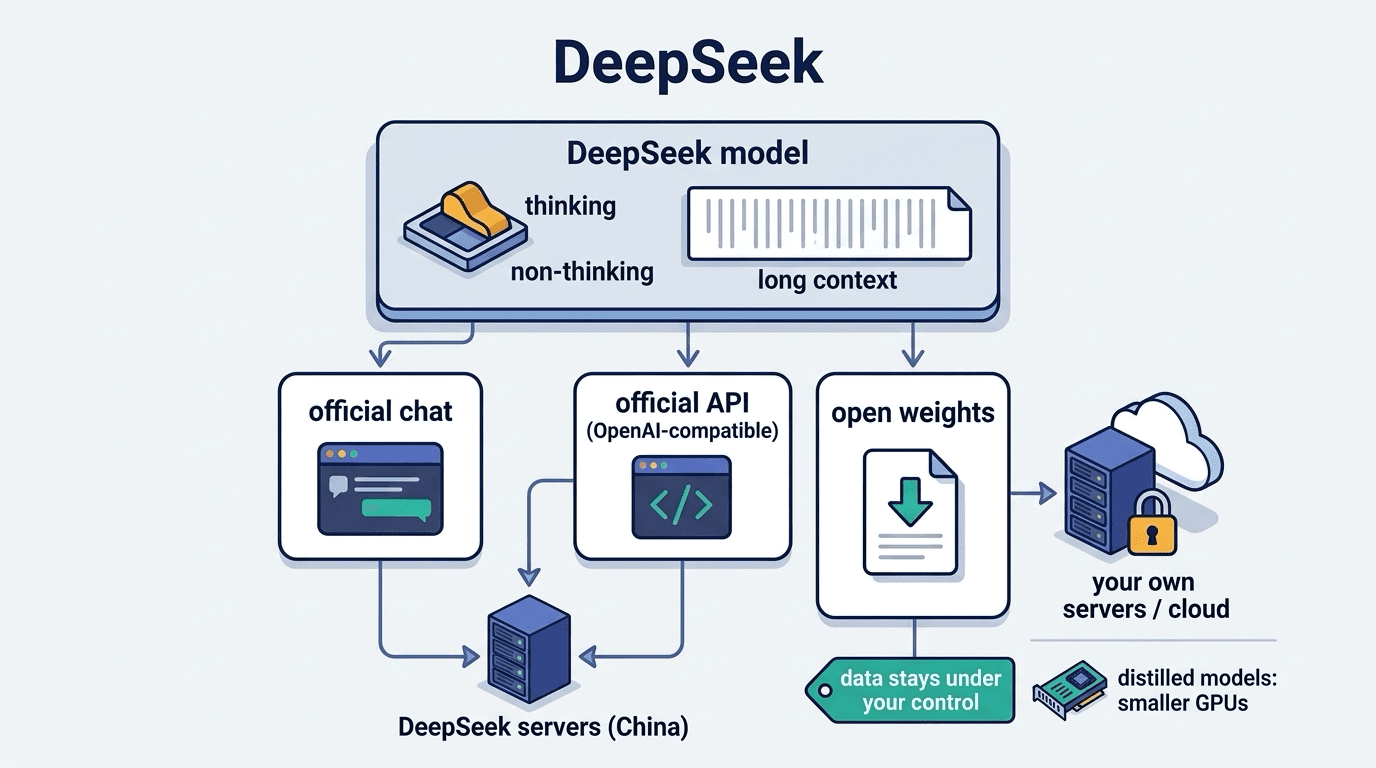
DeepSeek
DeepSeek is a family of large language models and a chat service developed by the Chinese company De