On the Loop
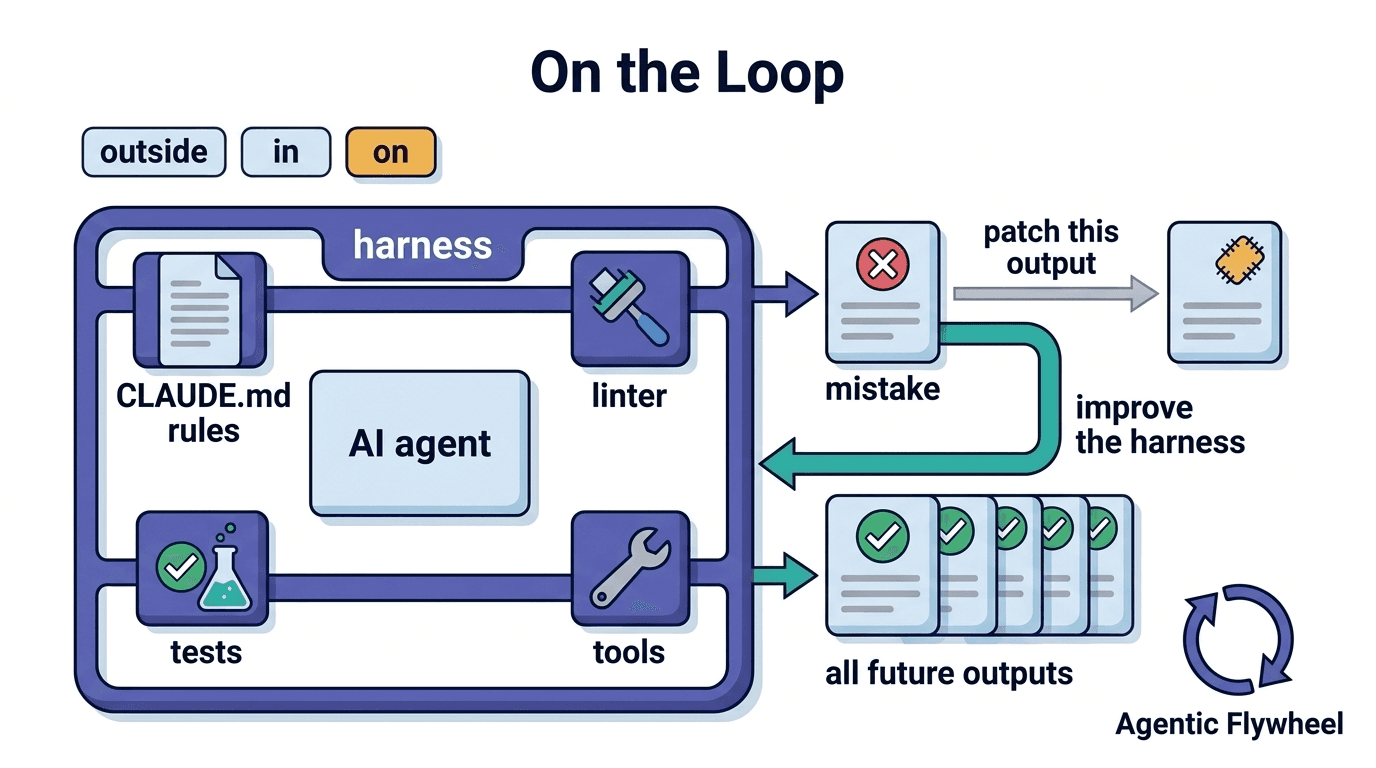
"On the Loop" is a collaboration mode that focuses on improving the harness (operating environment, constraints, and tools) rather than individual outputs of AI agents, and represents the recommended human position in the practice of harness engineering.
The third mode recommended by Bockeler. Rather than delegating entirely like Outside the Loop, or checking every step like In the Loop, this approach focuses human energy on building the "environment" in which the agent can operate correctly.
The Core Question: What to Fix
The discipline of On the Loop is tested when frustration arises. When an agent's output contains a mistake, the most natural reaction is to fix the artifact directly. In On the Loop, however, that impulse is suppressed in favor of modifying the harness instead. Adding rules to CLAUDE.md, adjusting linter settings, adding test cases — these investments in the environment pay off not just for the single issue at hand, but for every subsequent output.
Bockeler calls this virtuous cycle the "Agentic Flywheel." Improving the harness raises the quality of the agent's output; higher quality expands the range of tasks that can be delegated to the agent; a wider range reveals further opportunities to improve the harness. Eventually, the agent itself begins to suggest harness improvements, and a self-reinforcing system takes hold.
The Difficulty of Staying On the Loop
The concept is simple, but the practice requires discipline. In situations where fixing the bug directly is clearly faster, the decision to modify the harness instead carries a high psychological barrier. Whether the short-term efficiency versus long-term quality trade-off is understood and shared across the entire team is what determines whether this approach takes root.
Articles covering this term
- What is Harness Engineering? A Design Method to Structurally Prevent AI Agent ErrorsHarness Engineering is a method to structurally prevent AI agent errors from recurring using documents, tools, and constraints. Learn concepts, components, and practical steps.
- What is Loop Engineering? The New Standard in AI Agent Design Coming After Prompt EngineeringFrom prompting to designing "loops" where AI works autonomously. We explain Loop Engineering—its meaning, evolution, components, and implementation considerations.
- Claude Code Team Adoption Guide — How to Standardize Your Development Workflow with CLAUDE.md, Skills, and HooksA practical guide to adopting Claude Code for dev teams. Boost productivity with CLAUDE.md context management, reusable Skills workflows, and Hooks automation.
- AI Agents from Pilot to Production: 5 Barriers and FixesThe 5 barriers that stop AI agents from moving from pilot to production, with practical steps for quality control, system integration, governance and ROI.


Related Terms
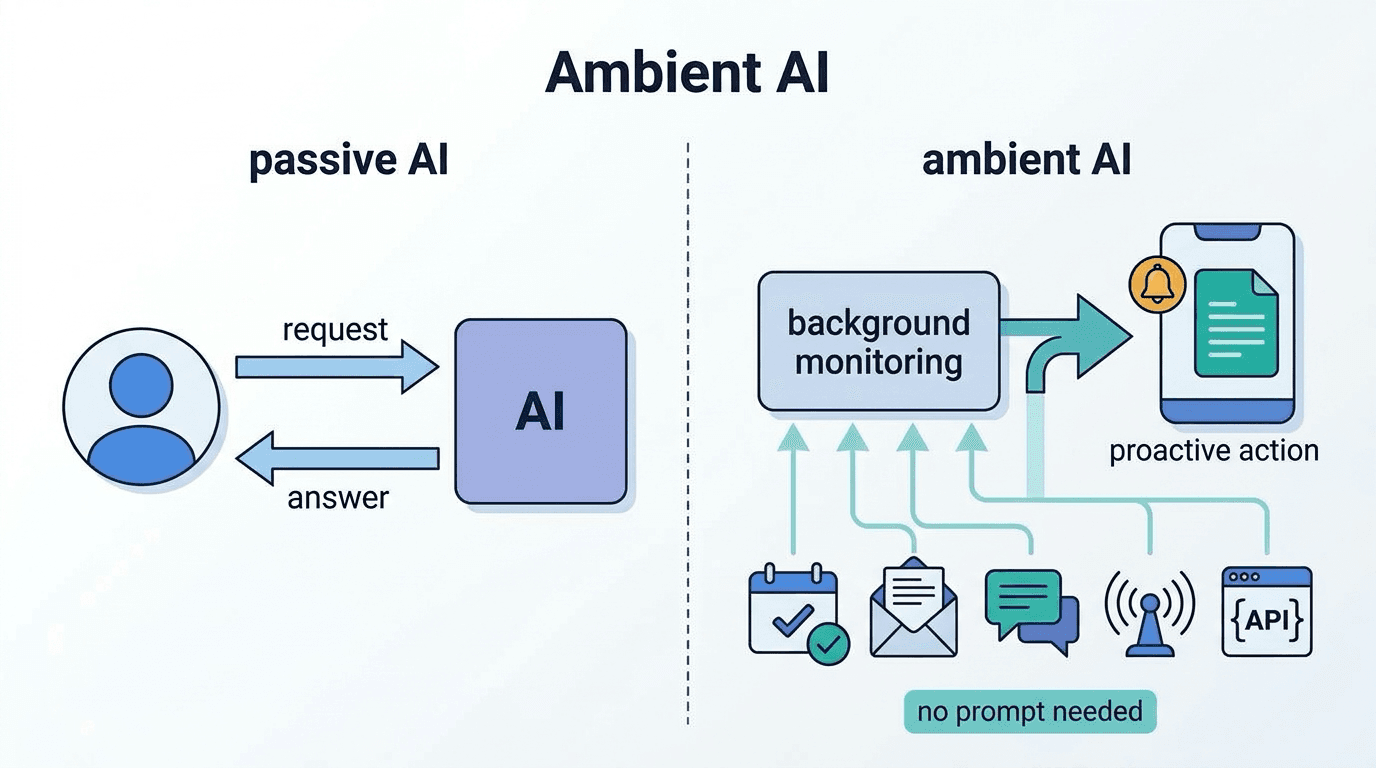
Ambient AI
Ambient AI refers to an AI system that is seamlessly embedded in the user's environment, continuousl
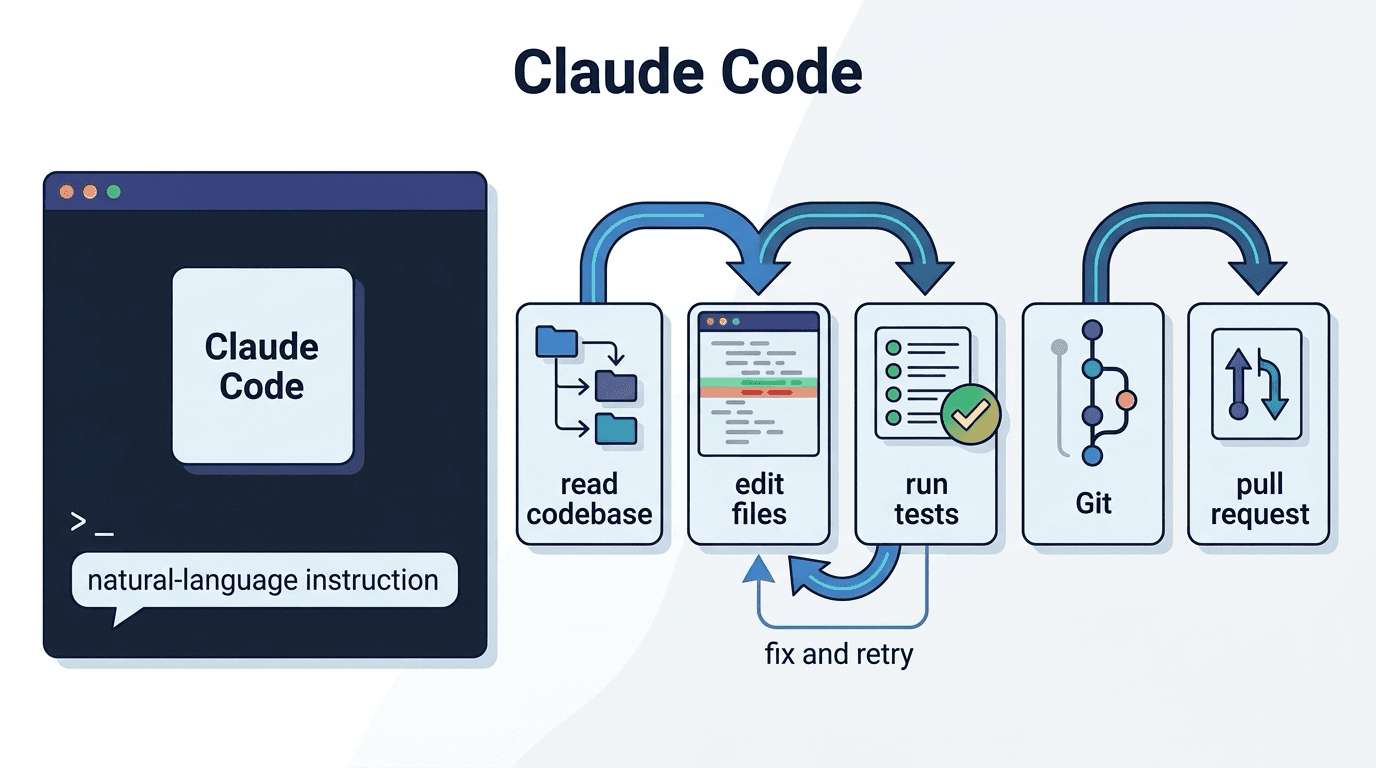
Claude Code
Claude Code is a terminal-resident AI coding agent developed by Anthropic. It is a CLI tool that ena
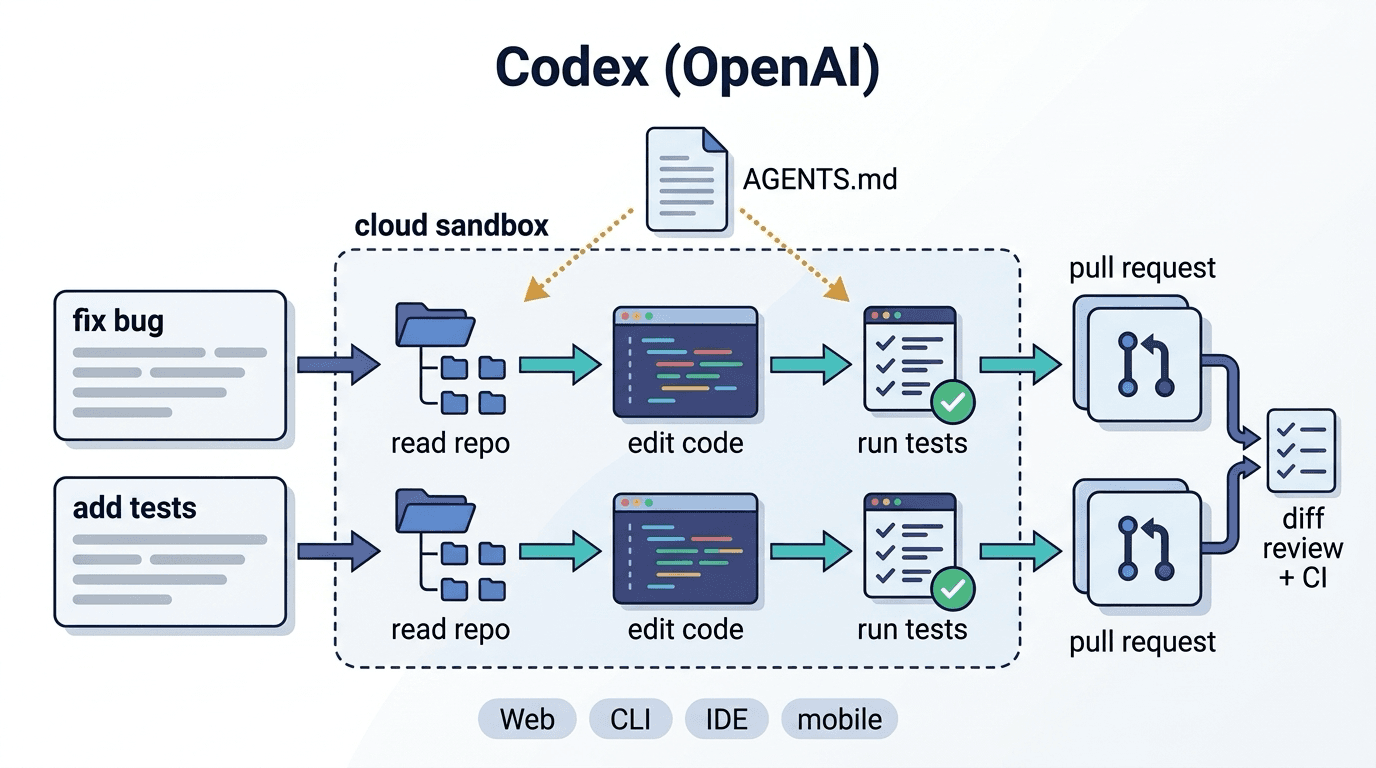
Codex (OpenAI)
Codex is OpenAI's AI coding agent. It reads a repository and carries a task through implementation,
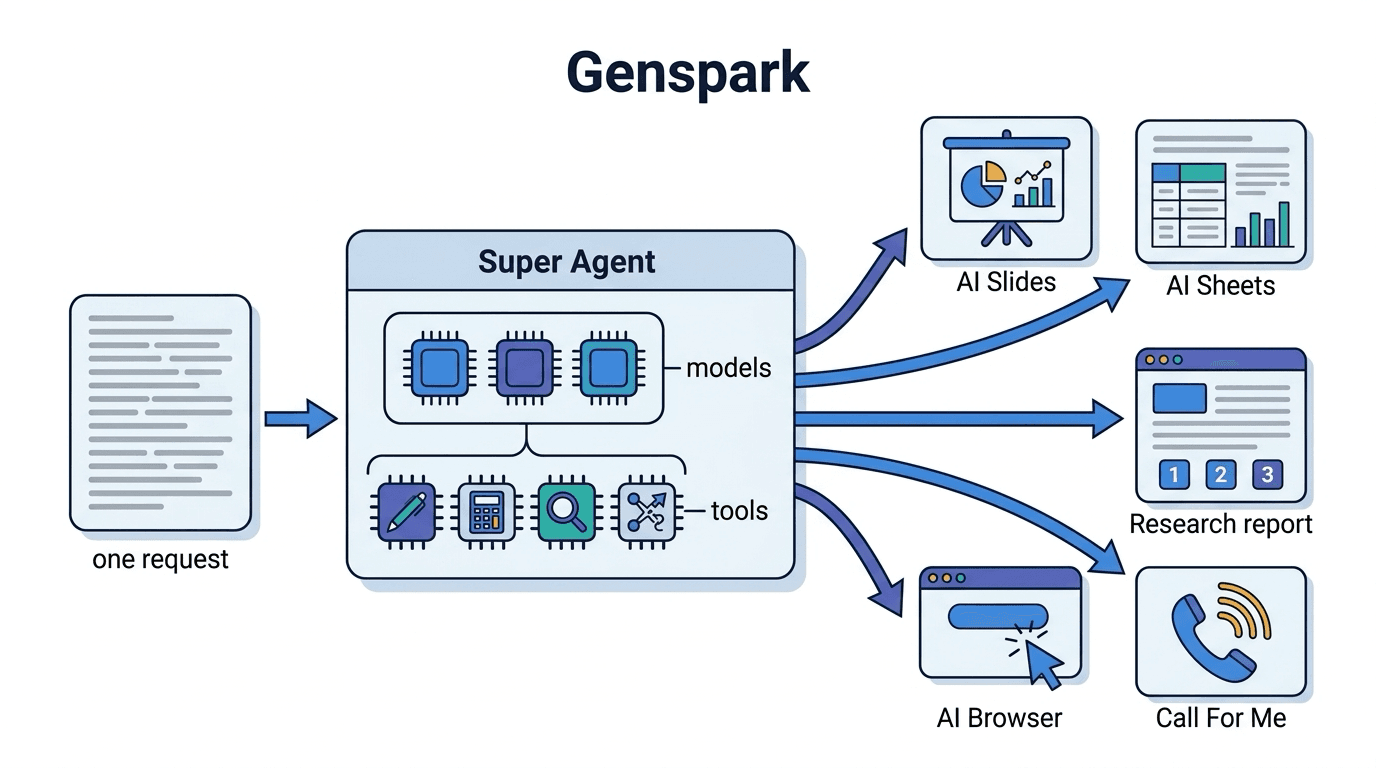
Genspark
Genspark is an AI workspace in which AI agents take on research, slide and spreadsheet creation, and