LoRA
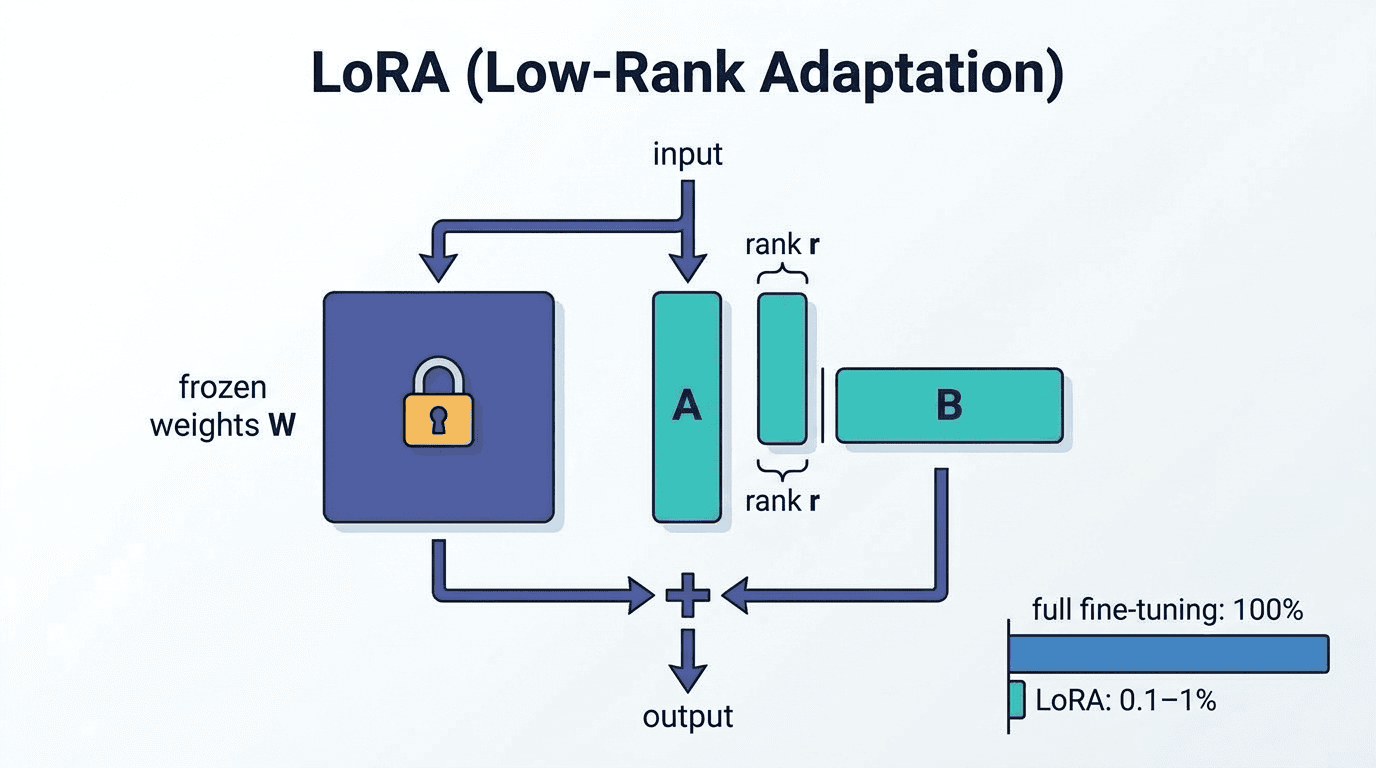
LoRA (Low-Rank Adaptation) is a technique that inserts low-rank delta matrices into the weight matrices of large language models and trains only those deltas, enabling fine-tuning by adding approximately 0.1–1% of the total model parameters.
LoRA adopts a structure in which the product of low-rank matrices A×B is added to the weight matrix W in each layer of the Transformer. Since the original weights W remain frozen and only the added A and B are trained, the number of trainable parameters is kept to approximately 0.1–1% of the entire model. The rank r is typically set somewhere in the range of 4–64; a smaller r reduces the parameter count but involves a trade-off with expressive capacity.
On the implementation side, Hugging Face's PEFT library and Unsloth are widely used, and can be integrated into existing training pipelines with just a few additional lines of code. Trained LoRA adapters can be saved as separate files from the base model (on the order of tens of MB), and by swapping adapters for each task, a single base model can be reused across multiple applications. When GPU memory permits, it is also possible to merge the adapter into the base model to maintain inference speed.
In the author's environment, r=16 tends to strike a good balance between accuracy and efficiency across many tasks, and is often adopted as the initial setting.
However, it is difficult for LoRA alone to acquire capabilities the model did not originally possess—such as adding support for an unsupported language—and in such cases, combining it with continual pre-training becomes necessary.
Articles covering this term
- PEFT Explained: LoRA, QLoRA and Adapters for Low-Cost TuningPEFT explained for decision-makers: how LoRA, QLoRA and adapters cut AI model customization costs, common mistakes, industry use cases and investment insights.
- Choosing Between Fine-Tuning and RAG: A Practical Guide Comparing Cost, Accuracy, and Use CasesFine-tuning vs RAG: which should you choose? We compare both across 4 axes—cost, accuracy, update frequency, and security—to guide your decision by use case.
- Introduction to Fine-Tuning — The Fundamentals and Decision Criteria B2B Companies Should Know Before Building Their Own LLMLearn how fine-tuning works from the basics. Covers PEFT/LoRA, when to use RAG, cost estimates, and a checklist for B2B companies evaluating custom model development.
- What is Model Merging? A Technique to Combine Multiple LLMs Without Training to Improve PerformanceExplore Model Merging: mathematically combine fine-tuned models to integrate multiple skills while reducing computational costs.


Related Terms
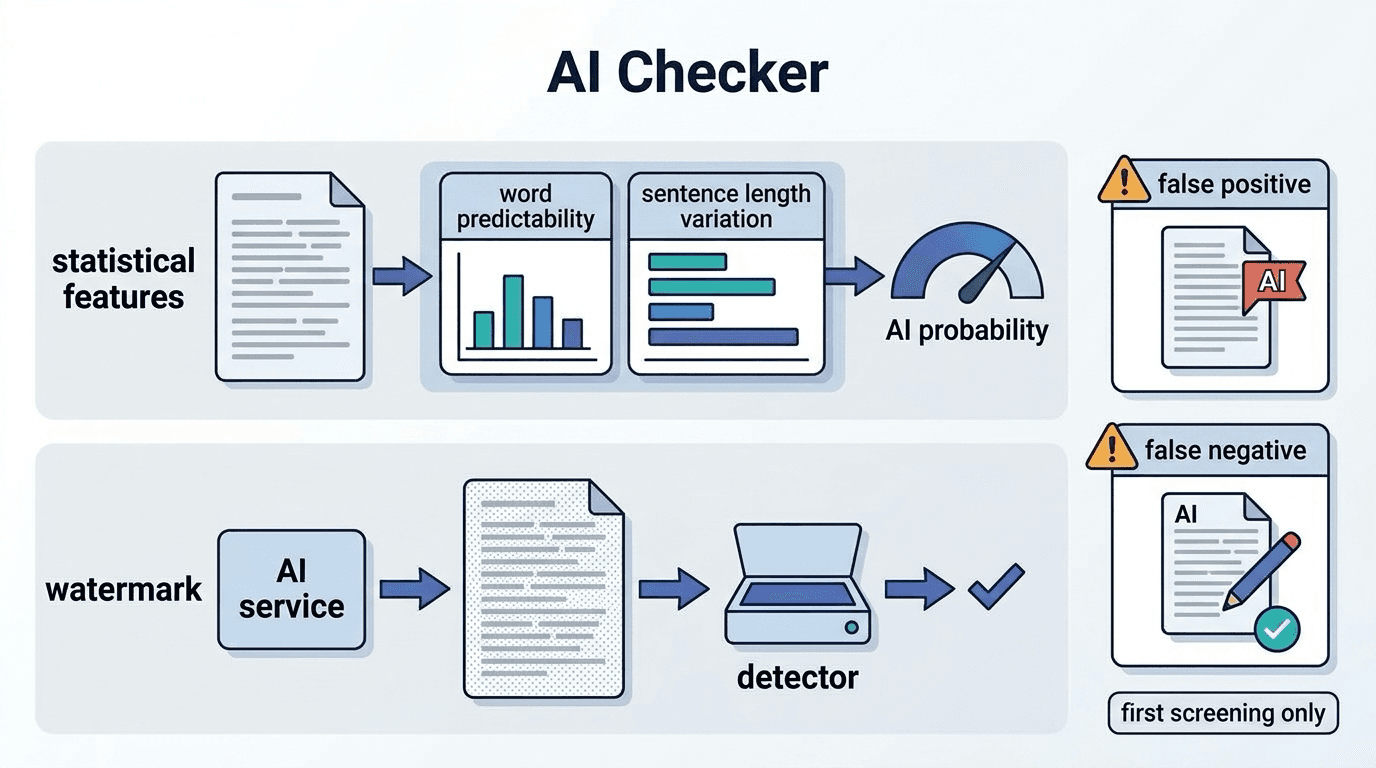
AI Checker (AI-generated text detector)
An AI checker is a tool that estimates whether a piece of writing was generated by AI, mainly from s
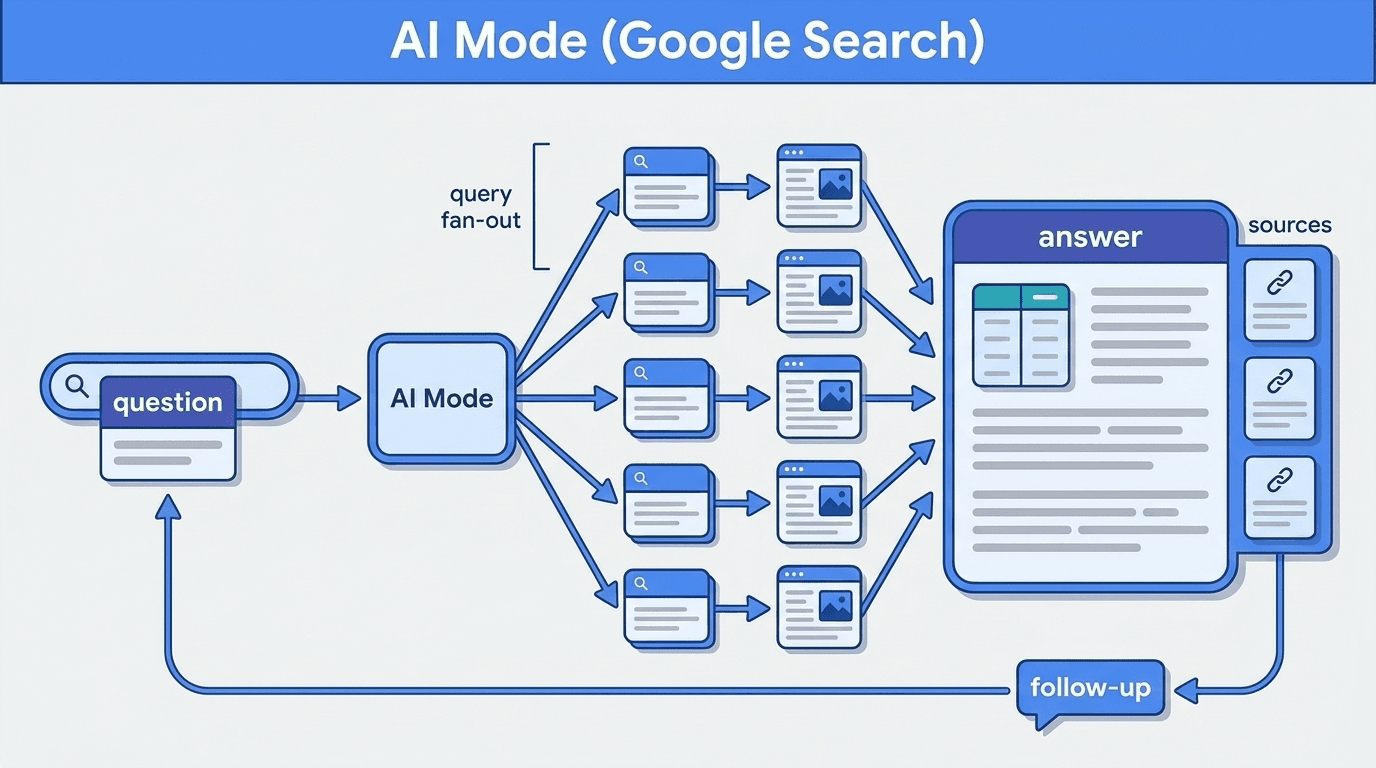
AI Mode (Google AI Mode)
AI Mode is a generative AI search mode built into Google Search that answers questions conversationa

Context Window
A context window refers to the maximum number of tokens an LLM can process at one time, indicating t
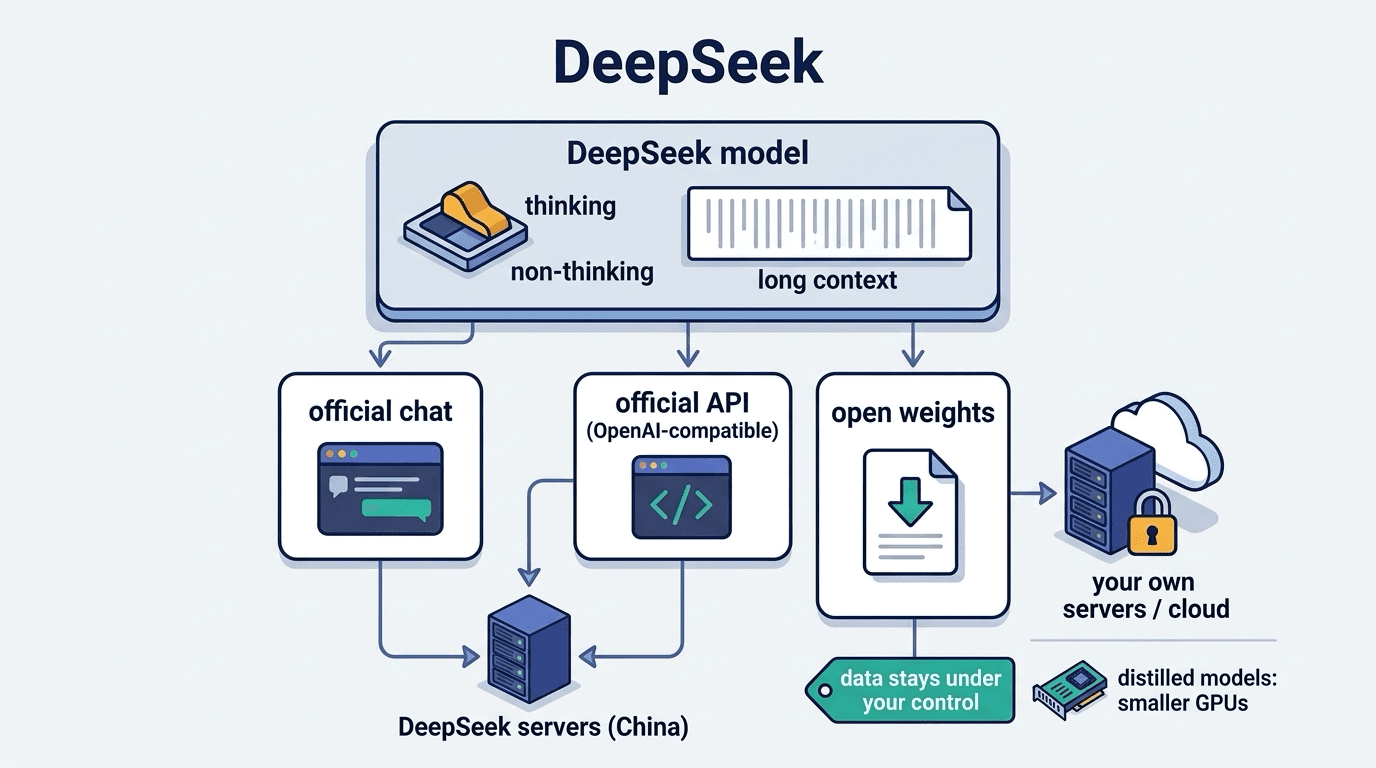
DeepSeek
DeepSeek is a family of large language models and a chat service developed by the Chinese company De