Grounding
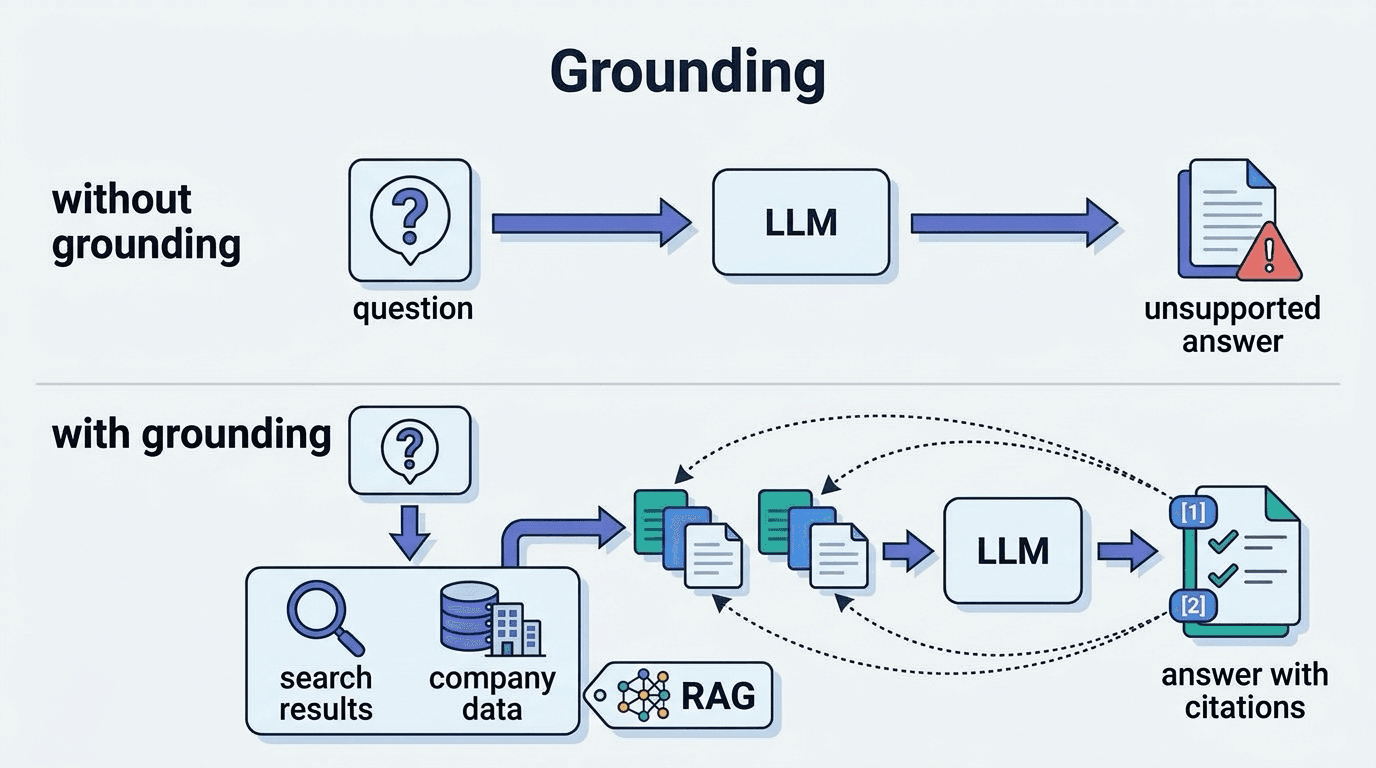
A technique that cross-references LLM outputs with external data sources and search results to generate factually grounded responses. A core method for reducing hallucinations.
What is Grounding?
Grounding is a technique that cross-references LLM outputs against external, trusted data sources to generate factually accurate responses. It is positioned as a core approach for reducing hallucinations (responses that are plausible but factually incorrect).
RAG as an Implementation Method for Grounding
RAG (Retrieval-Augmented Generation) is the most common method for achieving grounding. By retrieving relevant information from external databases or documents and passing that information to the model as context, it becomes easier for the model to recognize what it does not know.
However, grounding is not complete with RAG alone. If the quality of retrieved results is poor, there is a risk of grounding the model on incorrect information.
The Multi-Layered Structure of Grounding
Effective grounding is achieved through multiple layers.
- Retrieval Layer: Acquires relevant information via vector search or knowledge graphs
- Validation Layer: Evaluates the freshness and reliability of the retrieved information
- Generation Layer: Attaches citations to responses to make them verifiable
- Output Layer: Performs a final factuality check using guardrails
Practical Effects
Simply requiring the model to "respond with citations" significantly reduces the hallucination rate. However, since LLMs can also fabricate citations, it is advisable to design the system to include a post-processing mechanism that verifies whether the cited URLs actually exist.
Articles covering this term
- What is AI Grounding? An Implementation Guide to Fact Verification and Improving LLM Answer Accuracy with Web SearchAI grounding anchors LLM responses to authoritative sources. Learn how RAG and web search reduce hallucinations, plus implementation steps for enterprise deployment.
- What is Adaptive RAG? How to Balance Cost and Accuracy with Query-Driven Dynamic RetrievalLearn how Adaptive RAG eliminates inefficiencies of traditional RAG by selectively retrieving only when needed—covering mechanisms, implementation patterns, and B2B use cases.
- What is Generative Engine Optimization (GEO)? Strategies for B2B Companies to Get Cited by LLMs in the AI Search EraGenerative Engine Optimization (GEO) helps B2B brands get cited by AI search. Learn how GEO differs from SEO and how to structure content for LLMs.
- AI Agent Governance Framework Implementation Guide — Oversight Design to Prevent Agent DriftEliminate the biggest barrier to production-ready autonomous agents: lack of governance. Step-by-step guide to preventing agent drift and designing accountability.


Related Terms
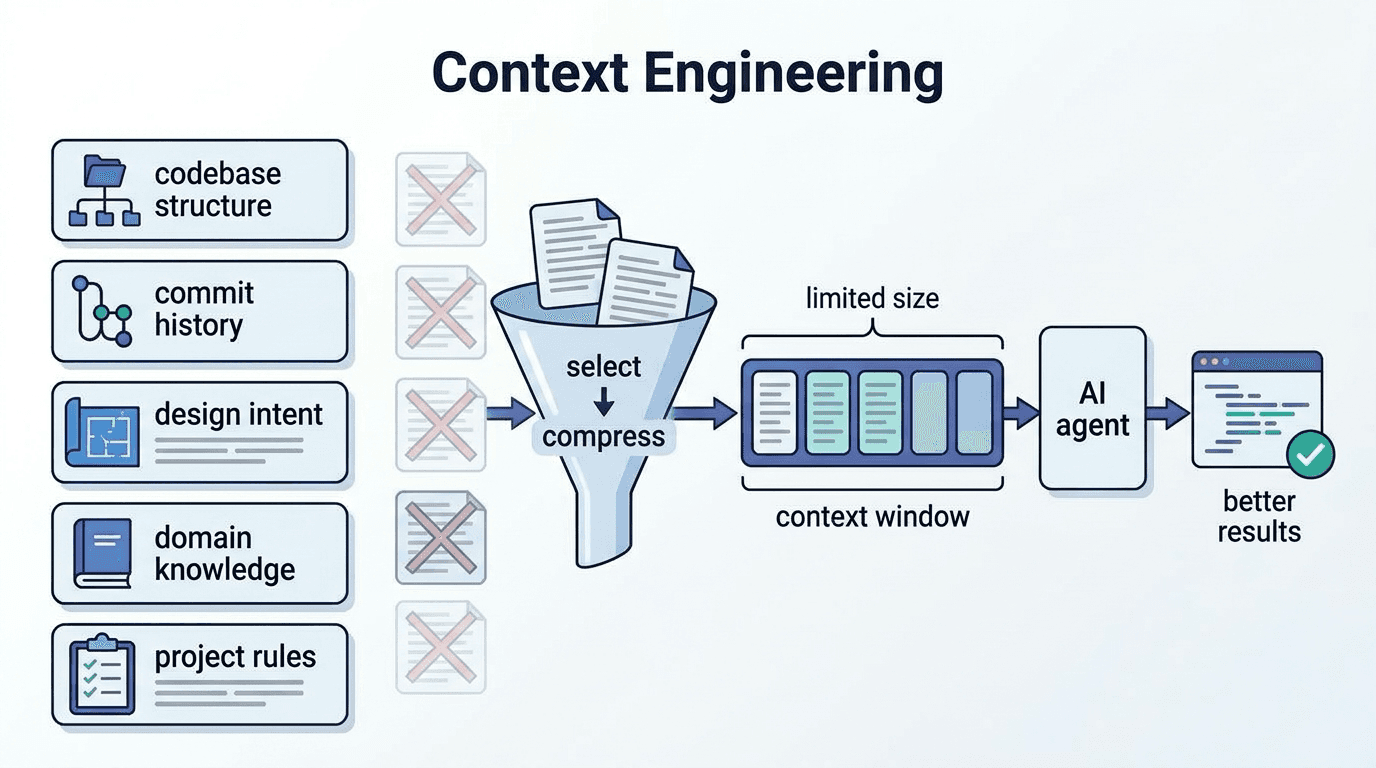
Context Engineering
Context Engineering is a technical discipline focused on systematically designing and optimizing the

System Prompt
A system prompt is an instruction given to an LLM before the start of a conversation with a user, de

AI Red Teaming (AI Red Teaming)
An evaluation method that systematically tests AI system vulnerabilities from an attacker's perspect
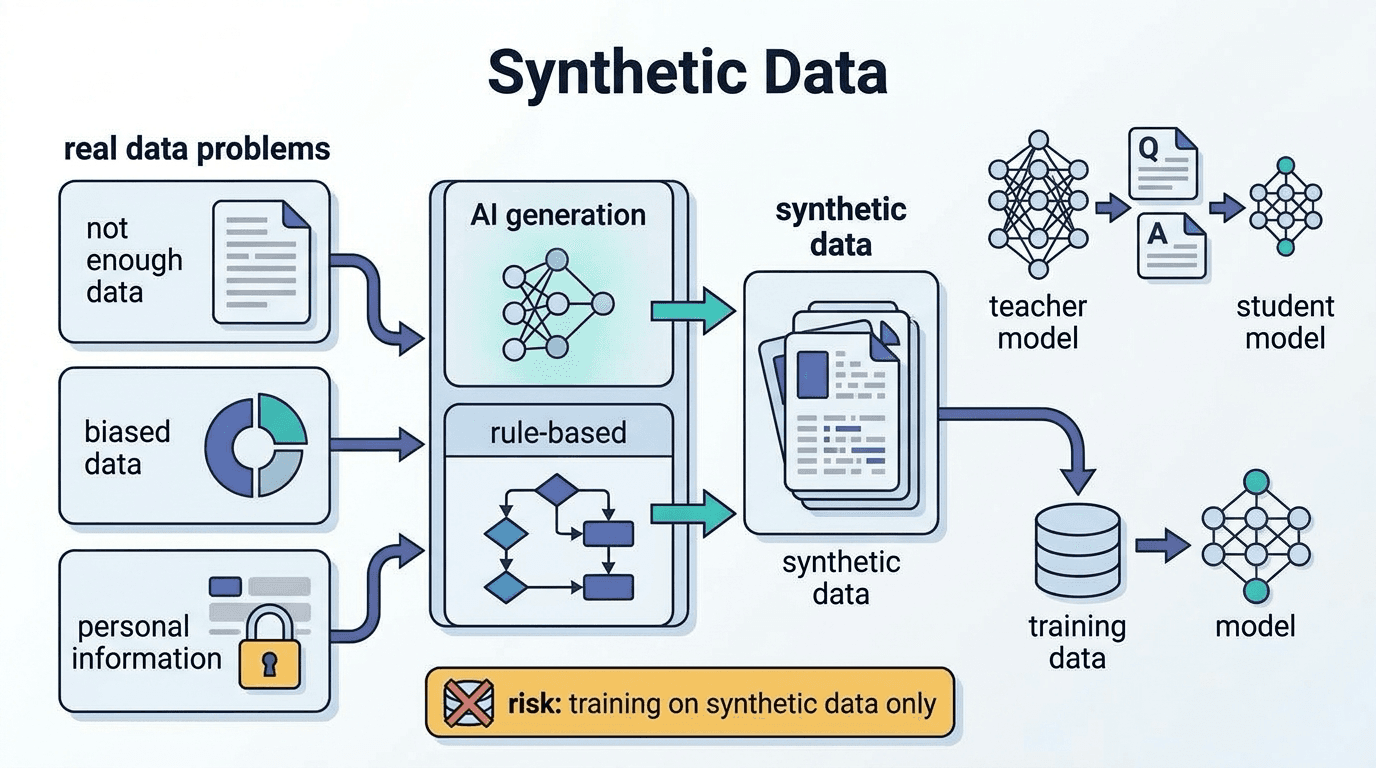
Synthetic Data
Training data generated by AI. It is used to supplement the lack of real data and to train and evalu