Dynamic Pricing
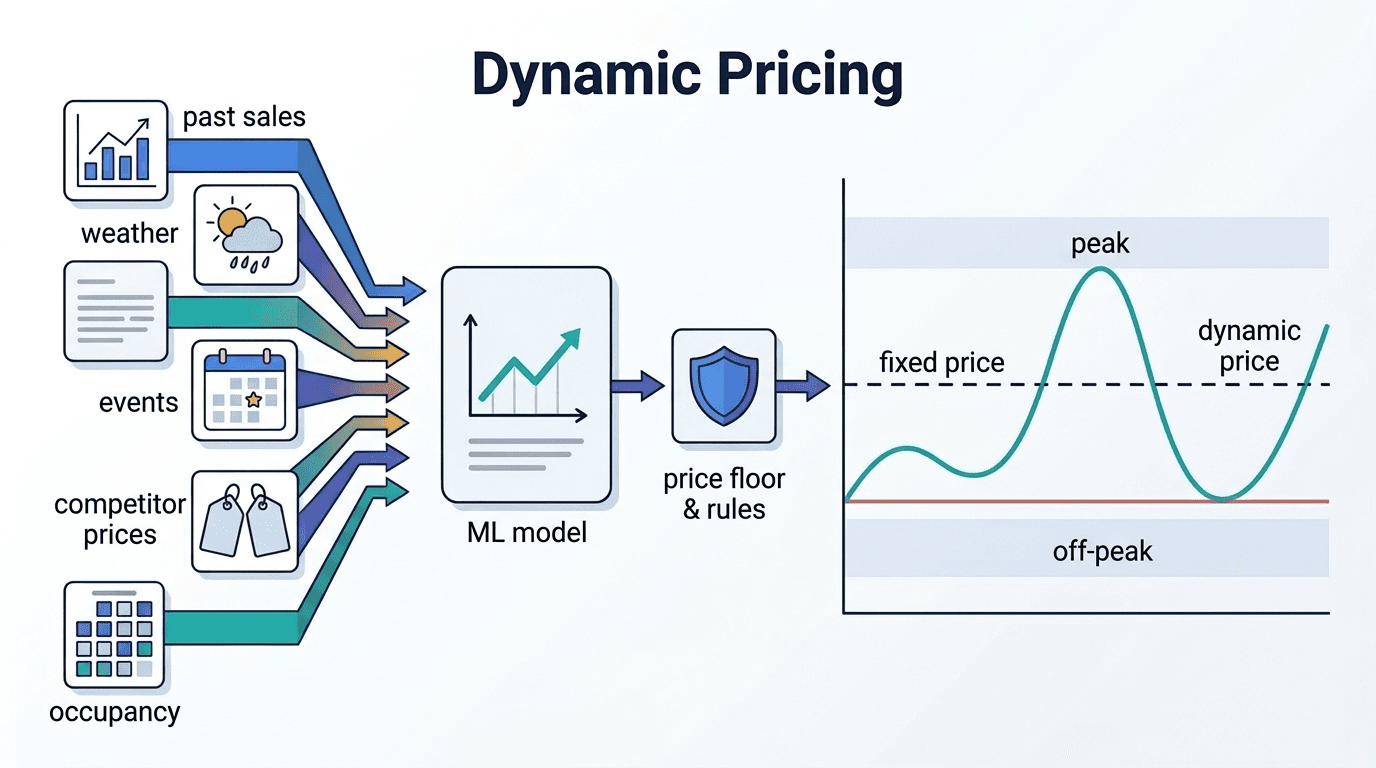
Dynamic pricing is a pricing strategy that adjusts the prices of goods and services in real time based on variable factors such as demand, supply, competitive conditions, and time of day. While it has long been used in airline ticket and hotel room pricing, the spread of AI has expanded its adoption across a wide range of industries, including retail and food service.
Differences from Fixed Pricing
Traditional fixed pricing is determined by "cost + margin" and, once set, remains unchanged for an extended period. Dynamic pricing overturns this assumption by raising prices during high-demand periods or seasons and lowering them during slow periods, thereby maximizing revenue.
While this approach has decades of history in the airline industry, the barriers to implementation were high. This is because demand forecasting, competitor monitoring, and price simulation all need to run in real time.
Changes Brought About by AI
Advances in machine learning models have significantly reduced the cost of implementing dynamic pricing. An approach in which historical sales data, weather, event information, and competitor prices are fed into a model to predict optimal pricing has become commonplace.
In Thailand's hotel industry, the adoption of demand forecasting models that combine OTA (Online Travel Agency) pricing data with in-house reservation status is progressing. Balancing room occupancy rate and Average Daily Rate (ADR) is a key management challenge, and AI-driven price optimization is attracting attention as a means of alleviating this trade-off.
Pitfalls When Implementing
If prices fluctuate too frequently, there is a risk of eroding customer trust. When the price of the same product changes within a matter of hours, a psychological response of "I don't know when to buy" can set in, dampening the desire to purchase.
Furthermore, when competitors use the same algorithm, the risk of "algorithmic collusion"—where each party references the other's prices and triggers a race to the bottom—has also been pointed out. In practice, designing systems that combine price floor settings with rule-based constraints becomes critical.
Articles covering this term
- How Thailand's Hotel and Travel Industry Can Start Dynamic Pricing with AILearn how Thailand's hotel & travel industry implements AI-driven dynamic pricing and revenue management—from demand forecasting to price optimization strategies.
- Guide to AI Investment Decisions for Thai Businesses — Implementation Priorities Based on ROI Comparisons by IndustryA sector-by-sector guide for Thai B2B companies choosing AI investments. Compare manufacturing, logistics, tourism, healthcare & retail by ROI, complexity, and talent needs.
- What Is AI Cross-Supply Chain Integration? A Design Approach to Breaking Down Silos and Achieving ROIDiscover how to design AI integration architecture across manufacturing, procurement, and logistics data silos—and solve the data quality issues blocking ROI for 89% of companies.
- How Thailand's Food & Restaurant Industry Can Start Using AI for Demand Forecasting, Shift Optimization, and Food Waste ReductionDiscover how Thai restaurant owners can use AI to forecast customer demand, optimize staff scheduling, reduce food waste, and streamline orders. Real-world steps & case studies.


Related Terms
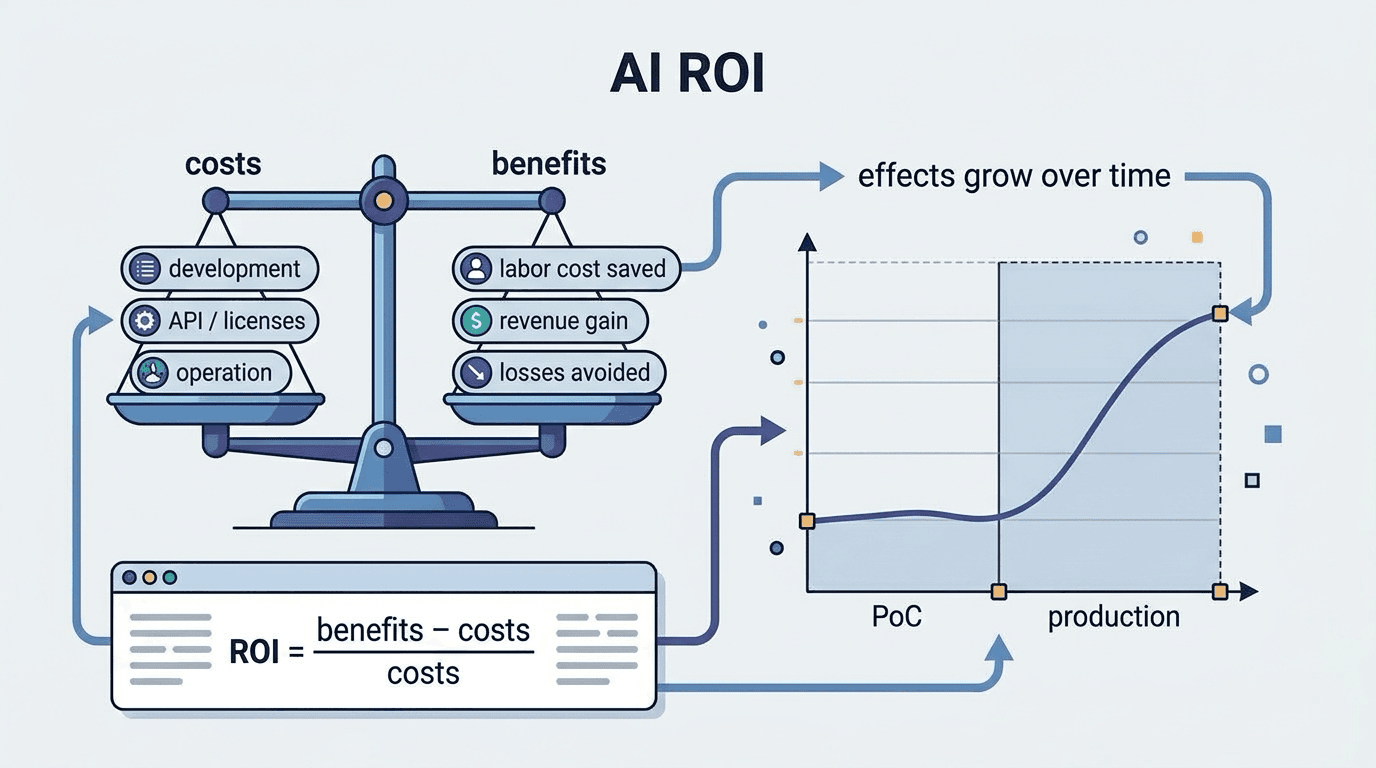
AI ROI (Return on Investment in AI)
AI ROI is a metric that quantitatively measures the effects obtained — such as operational efficienc

AI Observability
An operational practice of continuously monitoring and visualizing the inputs/outputs, latency, cost
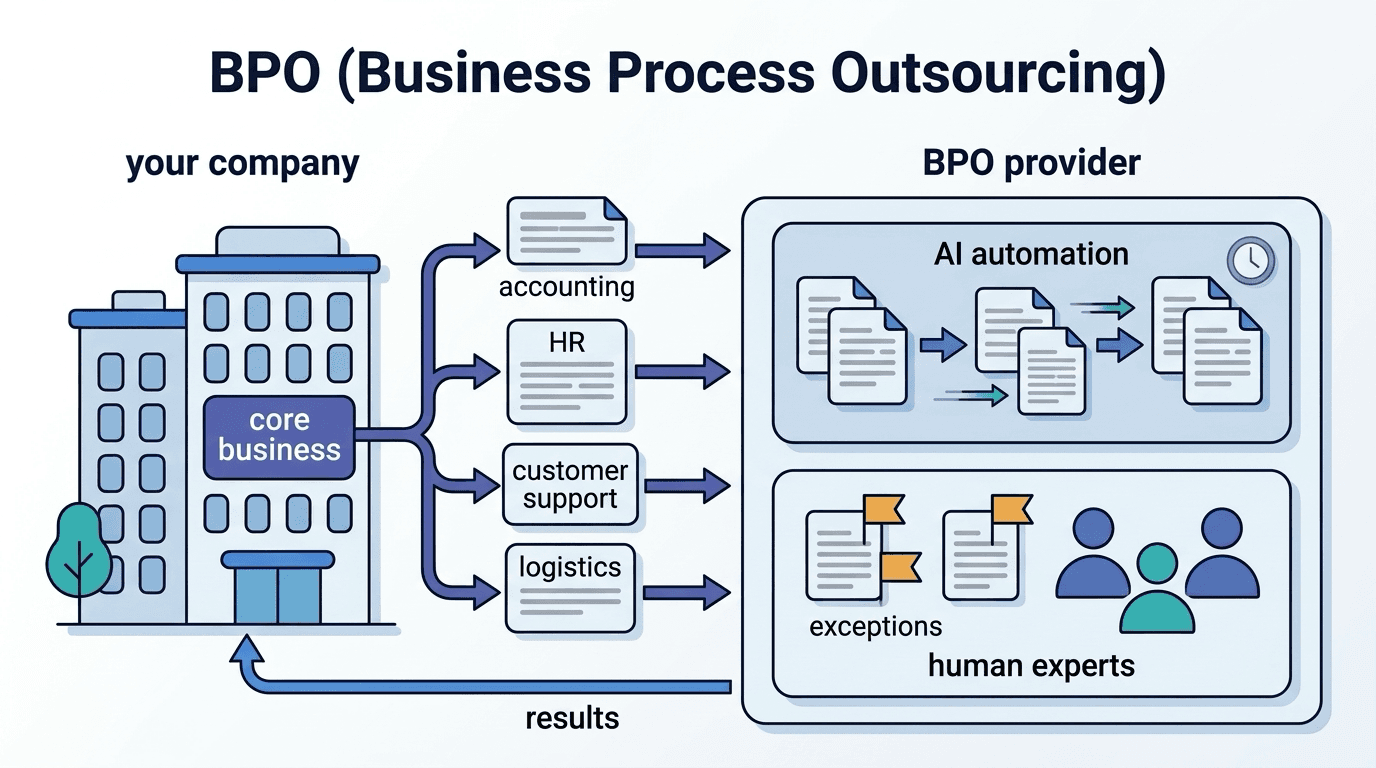
BPO (Business Process Outsourcing)
BPO refers to a form of outsourcing in which a company delegates specific business processes to an e

Demand Forecasting AI
Demand forecasting AI refers to a system that analyzes historical sales data and external factors us