DevOps

DevOps is a collective term for the culture and practices that integrate software development (Development) and operations (Operations), achieving both faster release cycles and improved quality through CI/CD pipelines and automation tools.
Breaking Down the Wall Between Development and Operations
In traditional software development, a division of labor was common: the development team wrote the code, and the operations team deployed it to the production environment. The problem lies in the "wall" this division creates. The development side wants to ship new features quickly; the operations side wants to maintain stability. Their interests conflict, and friction arises with every release.
DevOps tears down this wall. Developers become mindful of operations, and operations staff get involved in the development process. The essence of DevOps is building a culture where both sides share the same goal——"deliver value to users quickly, and fix problems quickly when they arise."
Concrete Practices
CI/CD (Continuous Integration / Continuous Delivery): A pipeline that automatically builds, tests, and deploys code changes. It frees teams from the anxiety of manual deployments.
Infrastructure as Code (IaC): Managing server and network configurations as code using tools like Terraform or Pulumi. The question "Who changed this server's configuration, and when?" becomes a thing of the past.
Monitoring and Observability: Using tools like Datadog, Grafana, and OpenTelemetry to visualize system status in real time. The goal is to reduce the time from incident detection to recovery (MTTR).
DevOps in the Age of AI
As LLMs and AI agents are increasingly deployed in production, the scope of DevOps is expanding as well. Operational challenges that did not exist in traditional applications have emerged——such as model version control, autoscaling of inference servers, and A/B testing of prompts. MLOps was born out of this context, and DevSecOps integrates a security perspective into the mix.
Articles covering this term
- What is Harness AI? How It Integrates AI into DevOps and Step-by-Step Implementation GuideHarness AI is a suite of AI agents by DevOps platform Harness. Learn agent roles, supported models, pre-deployment checks, PoC steps, and HITL design in one practical guide.
- AI Development Supply Chain Attacks 2026 — A Defense Guide Against Model Poisoning, Dependency Packages, and SaaS BreachesBased on 2026 cases like Hugging Face model poisoning and SaaS breaches, this implementation guide covers AI BOM, least-privilege OAuth, and sensitive secret management for AI developers.
- What is AI Observability? A Practical Guide to Monitoring LLMs in ProductionFrom AI observability basics to tracing, evaluation, and cost management for production LLM apps—learn key implementation steps and tool selection tips.
- What Is AI Cross-Supply Chain Integration? A Design Approach to Breaking Down Silos and Achieving ROIDiscover how to design AI integration architecture across manufacturing, procurement, and logistics data silos—and solve the data quality issues blocking ROI for 89% of companies.


Related Terms
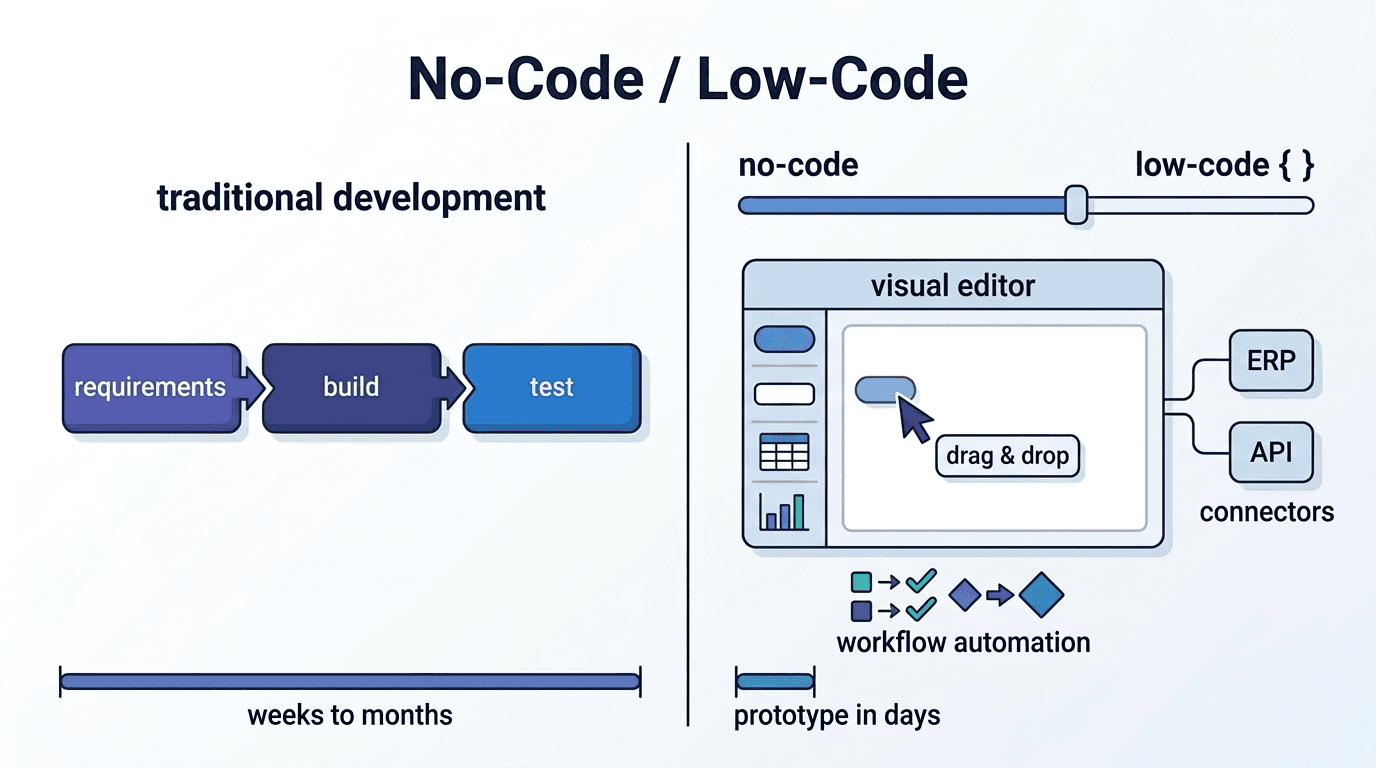
No-Code/Low-Code Development
No-code/low-code development is a development approach that minimizes the need for programming exper

E2E Test
E2E testing (End-to-End testing) is a testing methodology that simulates user interactions to drive
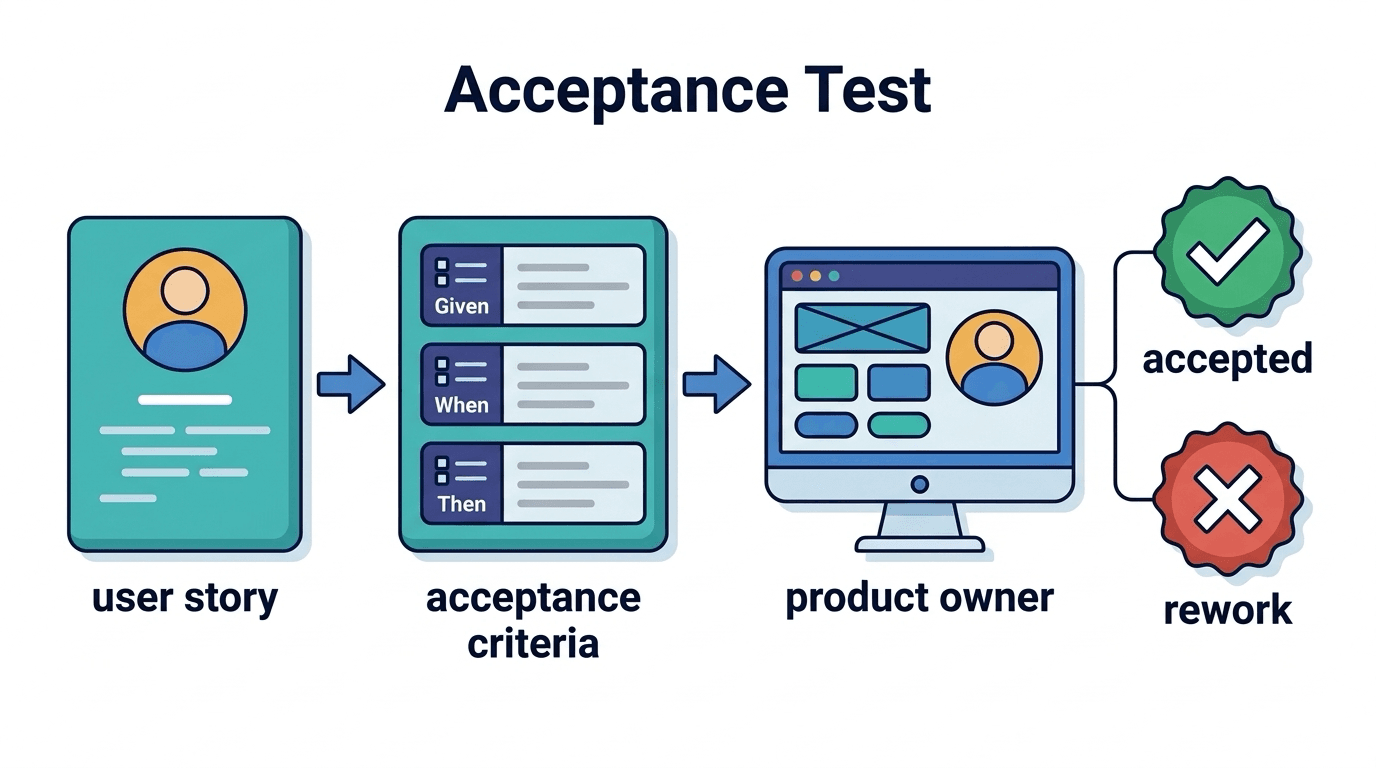
Acceptance Testing
Acceptance testing is a testing method that verifies whether developed features meet business requir

SSM (AWS Systems Manager)
AWS Systems Manager (SSM) is an AWS managed service for centrally operating and managing EC2 instanc