AI Ready

"AI Ready" is a concept that refers to the state in which a company is fully prepared to immediately proceed with AI adoption in terms of data, organization, talent, and governance.
AI Ready refers to the concept of a state in which a company is fully prepared to immediately proceed with AI adoption across the dimensions of data, organization, talent, and governance. Its defining characteristic is that it does not ask whether the latest tools have been procured, but rather whether the foundation exists to integrate AI into operations safely and sustainably.
Why "AI Ready" Is Being Asked
While the use of generative AI in business operations continues to expand, many companies remain stuck at the PoC (Proof of Concept) stage and are unable to move forward to production deployment. The cause of these stumbles is, in most cases, a lack of preparation rather than model performance. Data available for training and reference is not organized, accountability is unclear, and frontline staff cannot make effective use of the tools — AI Ready is a framework for inspecting these "obstacles discovered after implementation" before implementation begins.
Key Perspectives for Measuring Readiness
In practice, assessment is often conducted across the following four areas.
- Data: Quality, access rights, and state of organization. This forms the foundation that determines output accuracy.
- Organization & Processes: Policies for integrating AI into business workflows and oversight through AI Governance.
- Talent: Frontline AI Literacy. If the people using the tools are not developed, it is difficult to recoup the investment.
- Effectiveness Measurement: A mechanism for continuously tracking AI ROI.
Moving forward while these elements are lacking tends to result in the proliferation of unmanaged tools — known as Shadow AI — or operations becoming dependent on specific individuals, causing MLOps to break down.
The Difference from AI Literacy
Whereas AI Literacy refers to the skills of an individual, AI Ready refers to the state of preparedness of an organization as a whole. Simply completing employee training is not sufficient to be considered ready; an organization can only be evaluated as AI Ready when data infrastructure and approval processes are included as well.
We recommend treating AI Ready not as a one-time pass/fail assessment, but as a metric to be continuously revisited throughout implementation and operation. This is because it is more practical to visualize shortfalls in each area, prioritize them, and address them one by one, rather than waiting for everything to be complete.
Articles covering this term
- What is an AI-Ready Data Foundation? Conditions for AI-Usable Business Data and the 3-Layer ModelLearn what an AI-Ready data foundation means, how it differs from DWH and RAG, and the 3 layers and 5 requirements explained in a vendor-neutral way.
- What Is an AI Data Readiness Audit? How to Assess Your Internal Data Before Implementing Agentic AIMost AI agent failures stem from data, not models. Learn how to run a data readiness audit—evaluating quality, accessibility, and structure of internal data.
- What Is an AI-Native Management Strategy? How to Fundamentally Redesign Your Business ModelFrom "adding AI" to "redesigning with AI." Learn AI-native management transition steps, ERP/FMS integration strategies, and real-world examples from Thai and Japanese companies.
- What Is AI Cross-Supply Chain Integration? A Design Approach to Breaking Down Silos and Achieving ROIDiscover how to design AI integration architecture across manufacturing, procurement, and logistics data silos—and solve the data quality issues blocking ROI for 89% of companies.


Related Terms
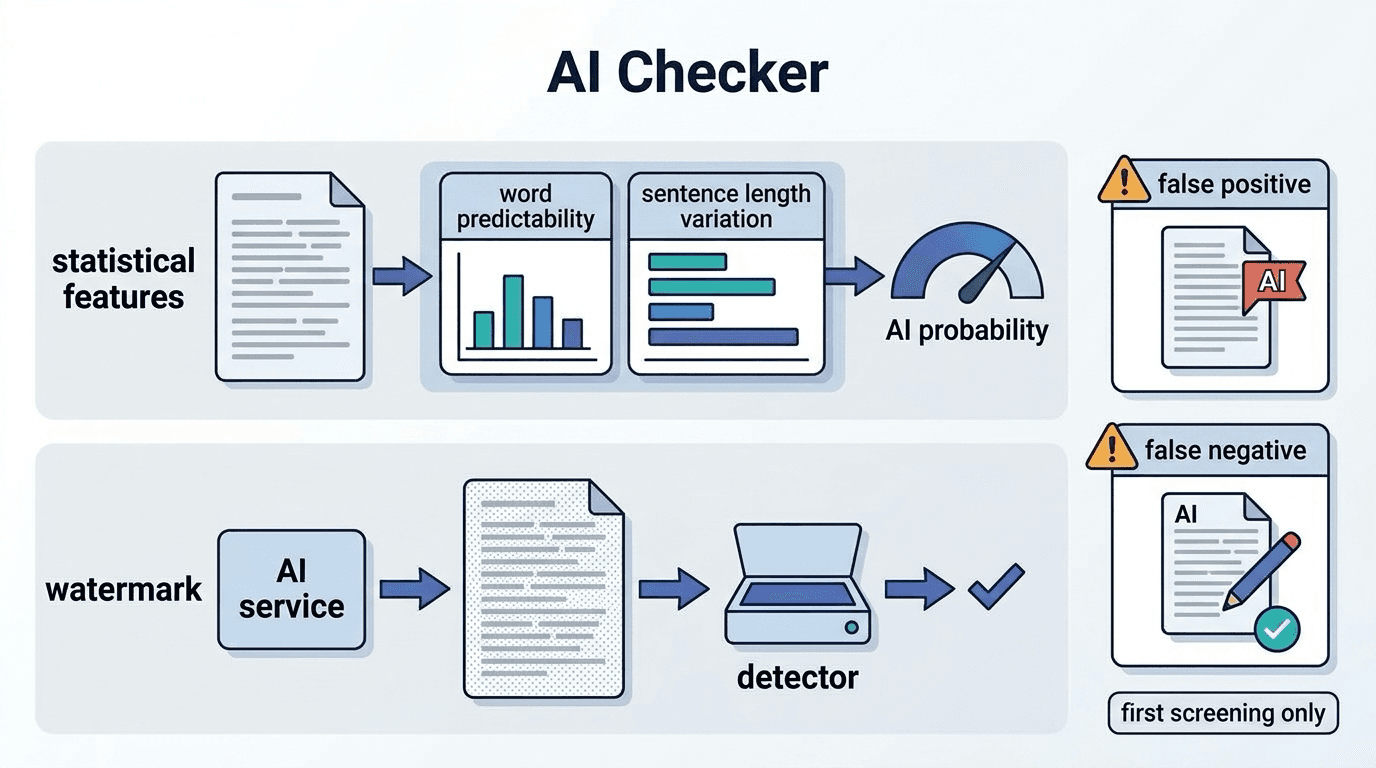
AI Checker (AI-generated text detector)
An AI checker is a tool that estimates whether a piece of writing was generated by AI, mainly from s
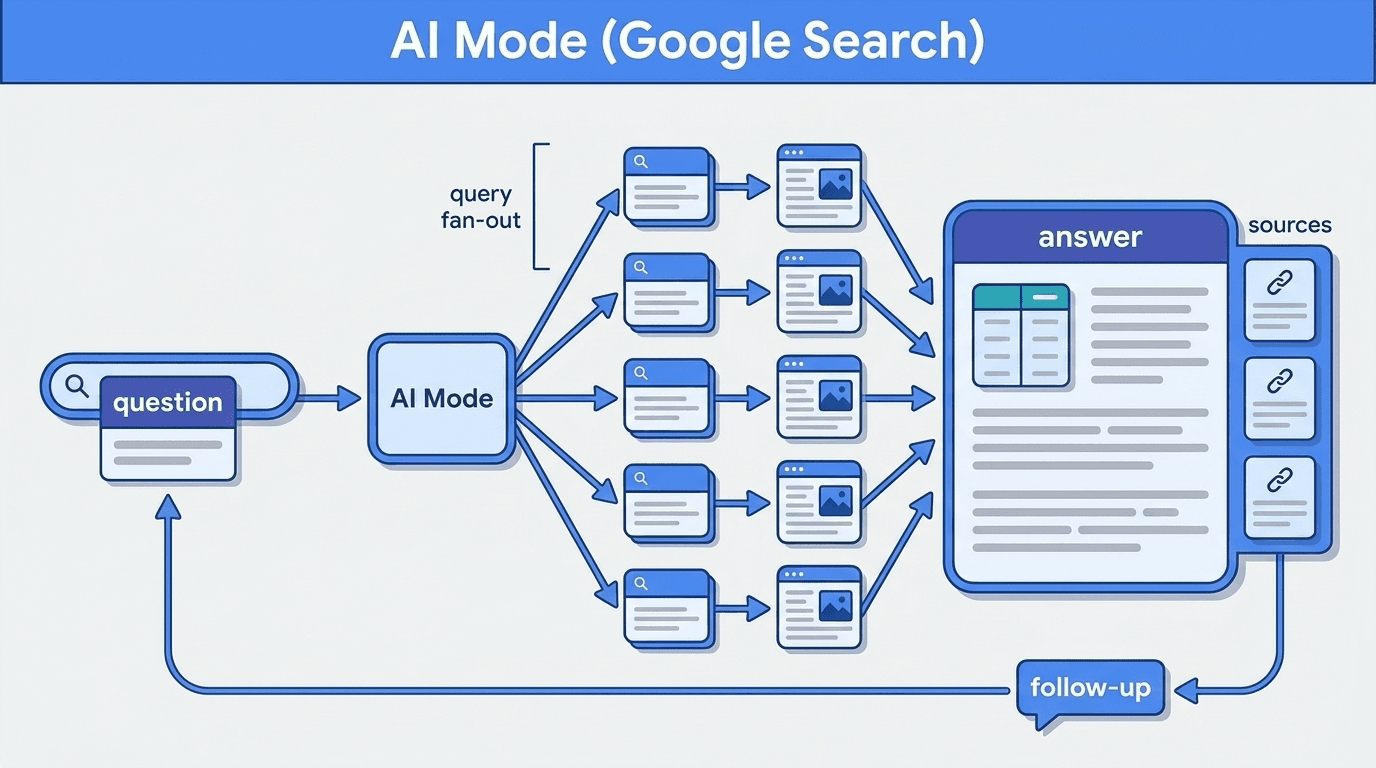
AI Mode (Google AI Mode)
AI Mode is a generative AI search mode built into Google Search that answers questions conversationa
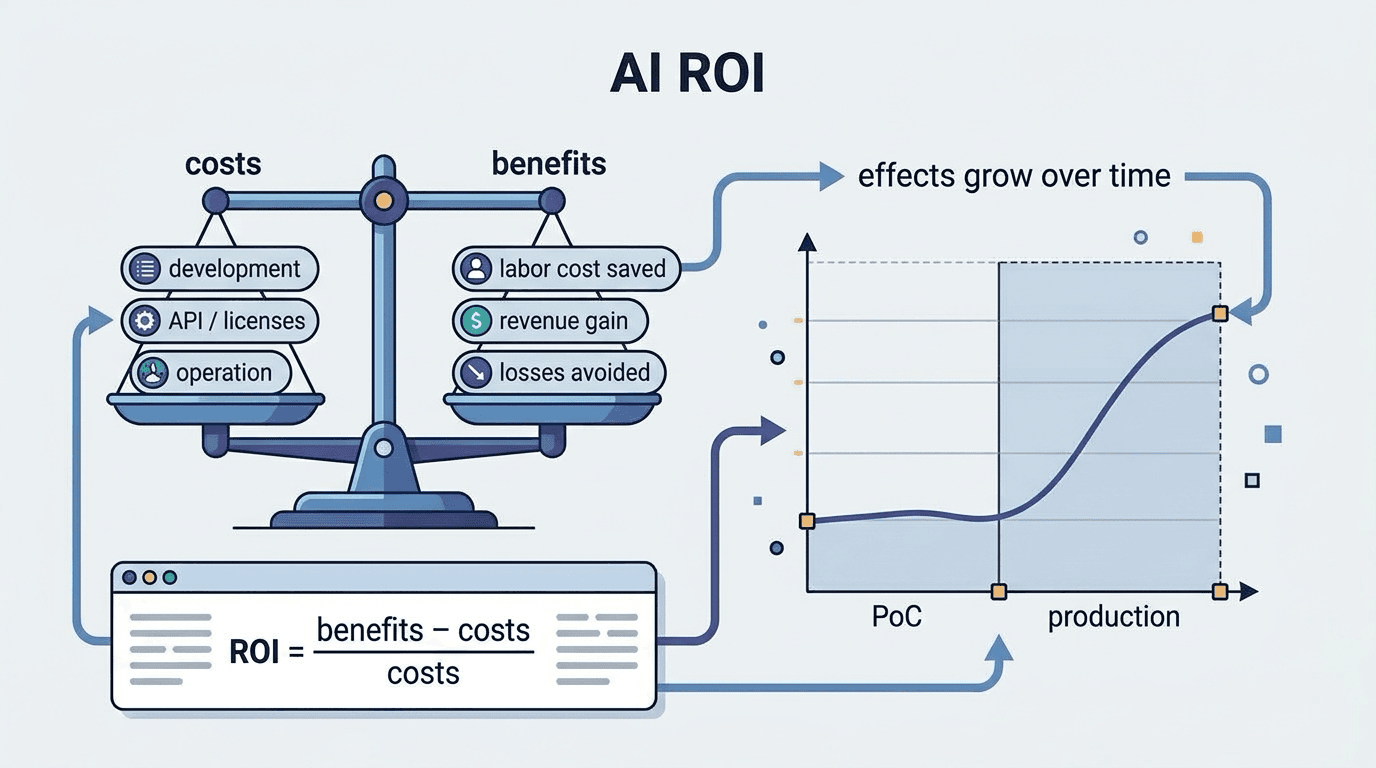
AI ROI (Return on Investment in AI)
AI ROI is a metric that quantitatively measures the effects obtained — such as operational efficienc

AI Observability
An operational practice of continuously monitoring and visualizing the inputs/outputs, latency, cost