Outside the Loop
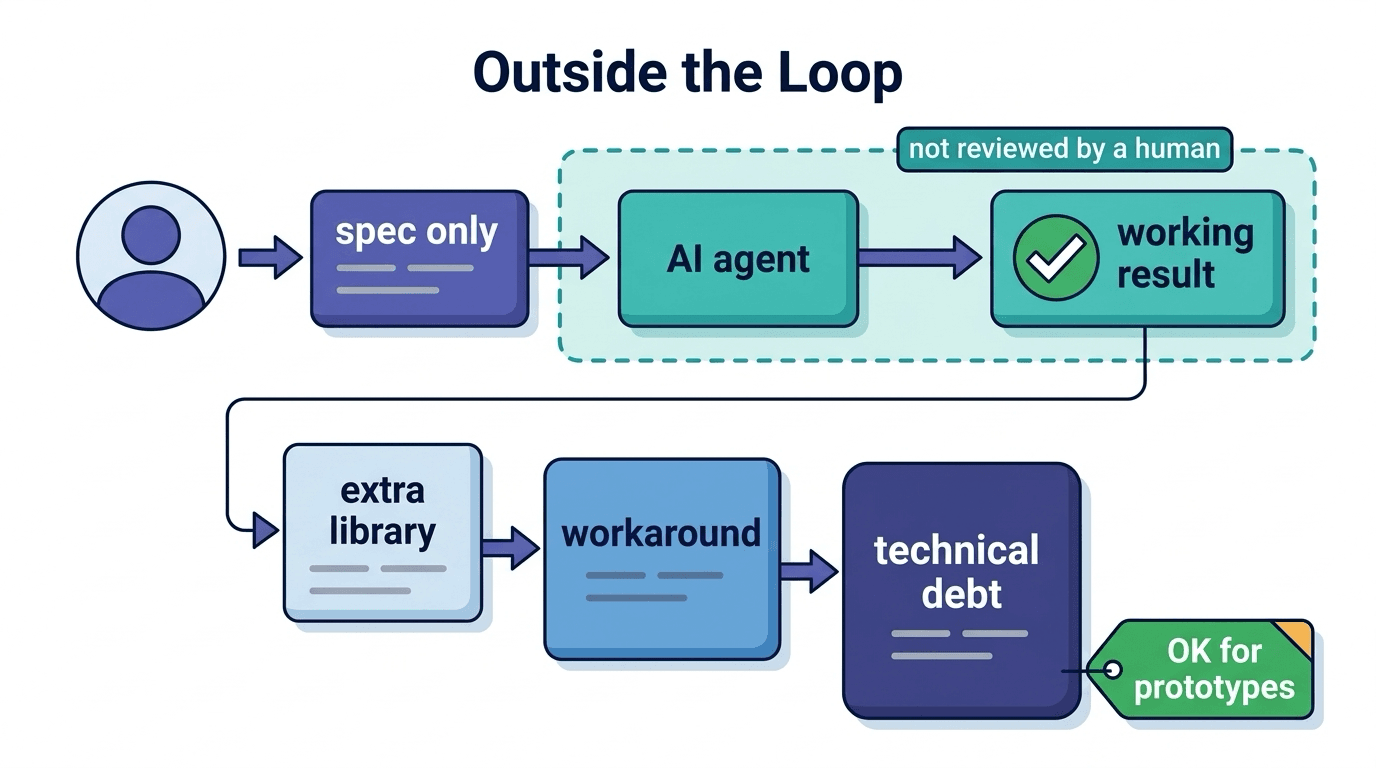
"Outside the Loop" is a collaboration mode in which humans specify only the outcome requirements and delegate all implementation details to AI agents; it is also known as vibe coding.
The mode with the least human involvement in Bockeler's three-mode classification. You tell the agent "I want this feature," then leave everything to the agent and simply receive the finished product. This is essentially the same concept as vibe coding, a term coined by Andrej Karpathy.
What's the Problem?
Something that works gets built quickly. However, "working" and "correct" are two different things. In Outside the Loop, humans don't review the architecture or dependencies chosen by the agent, allowing inefficient implementations to quietly accumulate. Bockeler describes this as a "spiral of inefficient solutions."
The typical pattern goes like this: the agent adds an unnecessary library to solve a problem. The next instruction introduces a compatibility issue with that library, and yet another workaround gets added. Each individual change seems reasonable in isolation, but technical debt as a whole grows at an accelerating pace.
When Outside the Loop Is Acceptable
Outside the Loop is not a problem in situations where long-term maintenance is unnecessary, such as creating prototypes or throwaway scripts, or experimental coding for learning purposes. Conversely, it is a mode to be avoided for production code that a team continuously maintains.
Articles covering this term
- What is Loop Engineering? The New Standard in AI Agent Design Coming After Prompt EngineeringFrom prompting to designing "loops" where AI works autonomously. We explain Loop Engineering—its meaning, evolution, components, and implementation considerations.
- What is Harness Engineering? A Design Method to Structurally Prevent AI Agent ErrorsHarness Engineering is a method to structurally prevent AI agent errors from recurring using documents, tools, and constraints. Learn concepts, components, and practical steps.
- [2026] Vibe Coding (AI-Driven Development) Failures & Security Incidents: Causes and Countermeasures from Domestic and International Case Studies and Latest DataExamining vibe coding (AI-driven development) failures and security incidents using 2026 primary sources: Moltbook's ~4.75M record exposure, Lovable's exposed public projects, a 380K-app survey, 74 AI-related vulnerabilities.
- AI Agent Governance Framework Implementation Guide — Oversight Design to Prevent Agent DriftEliminate the biggest barrier to production-ready autonomous agents: lack of governance. Step-by-step guide to preventing agent drift and designing accountability.


![[2026] Vibe Coding (AI-Driven Development) Failures & Security Incidents: Causes and Countermeasures from Domestic and International Case Studies and Latest Data](/_next/image?url=https%3A%2F%2Fxlawjotwdonvcisfgnkc.supabase.co%2Fstorage%2Fv1%2Fobject%2Fpublic%2Farticle-images%2Farticles%2F317%2Fcover-en.png%3Ft%3D1787890746142&w=3840&q=75)

Related Terms
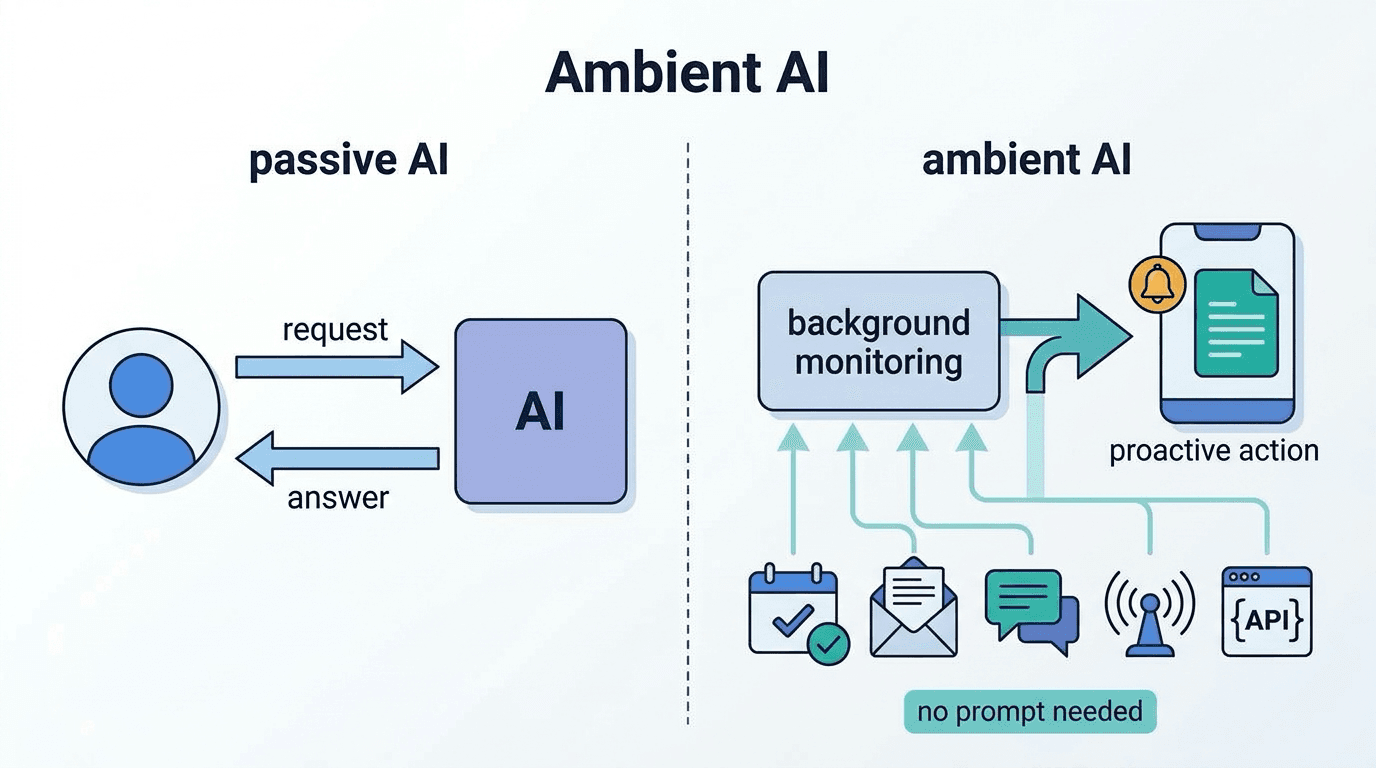
Ambient AI
Ambient AI refers to an AI system that is seamlessly embedded in the user's environment, continuousl
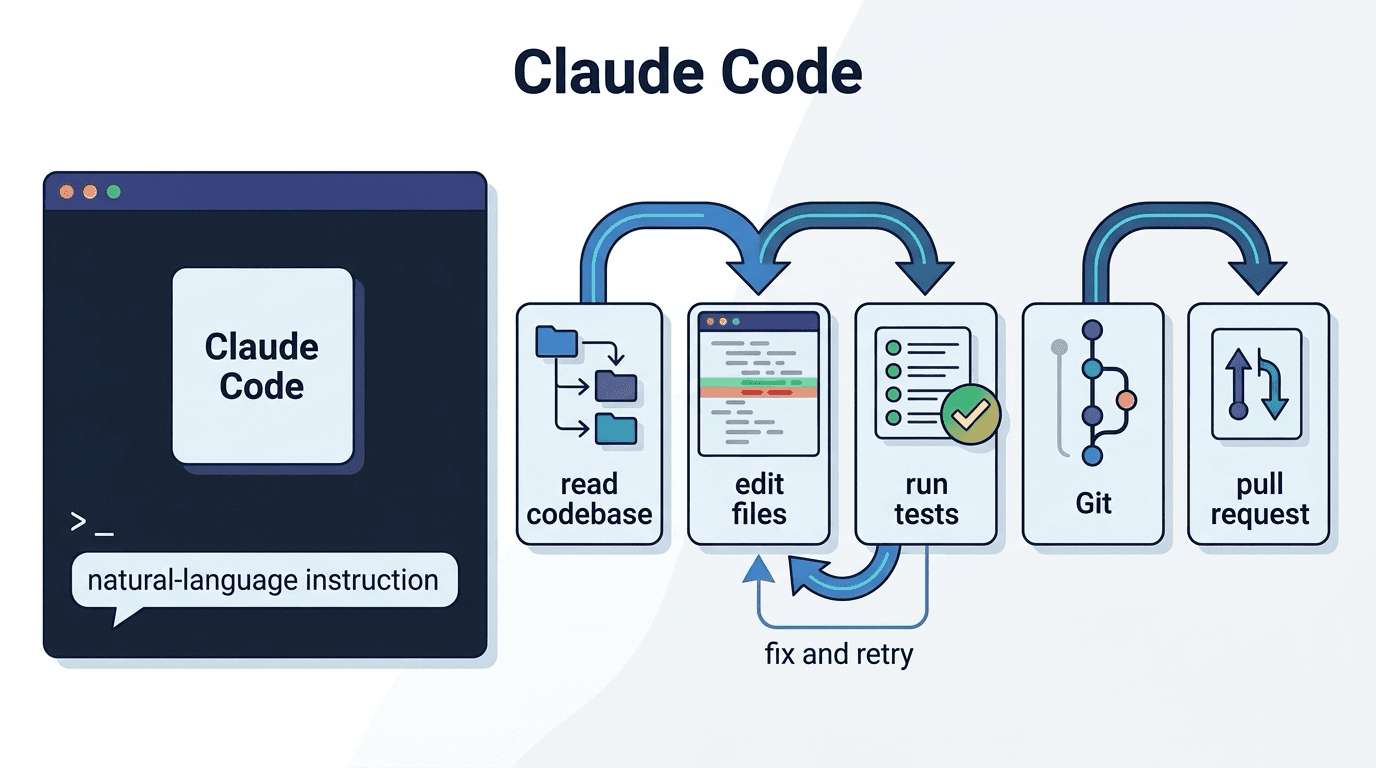
Claude Code
Claude Code is a terminal-resident AI coding agent developed by Anthropic. It is a CLI tool that ena
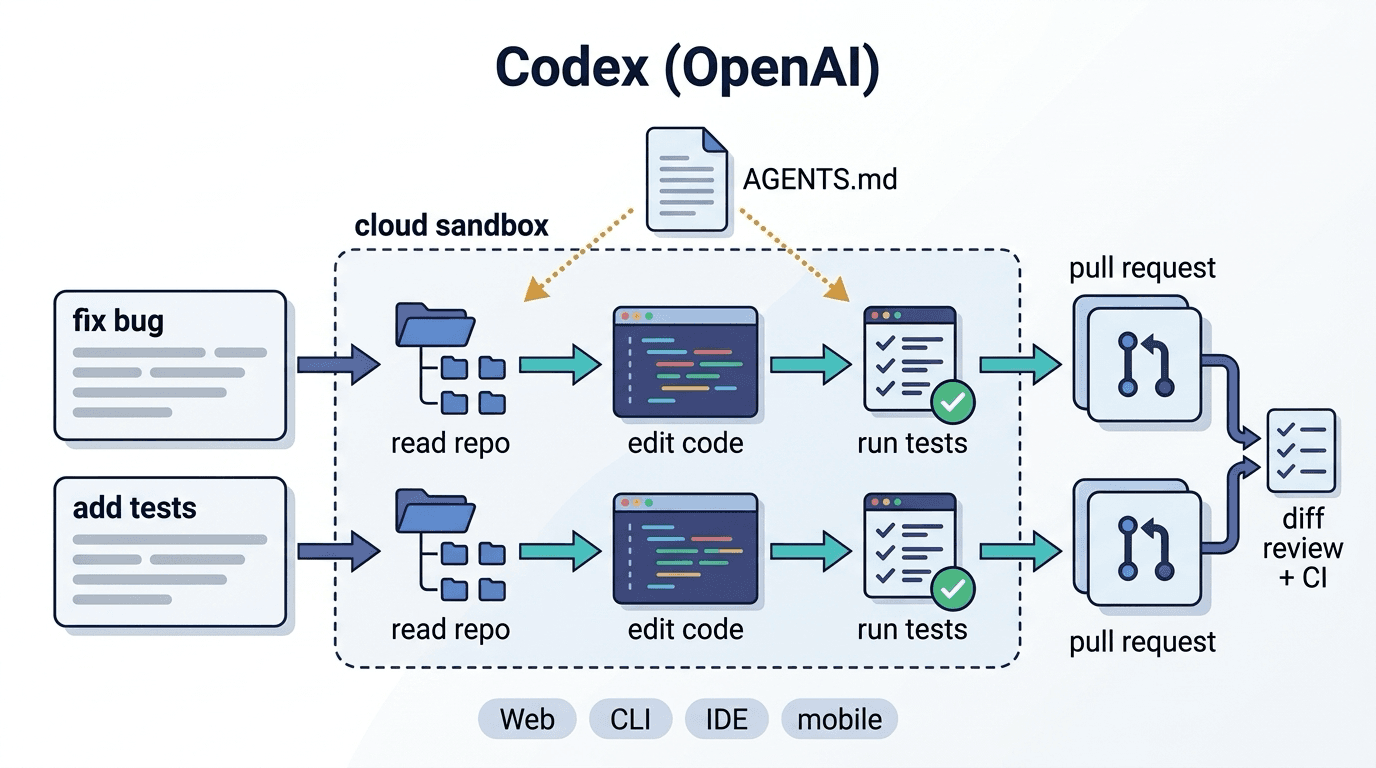
Codex (OpenAI)
Codex is OpenAI's AI coding agent. It reads a repository and carries a task through implementation,
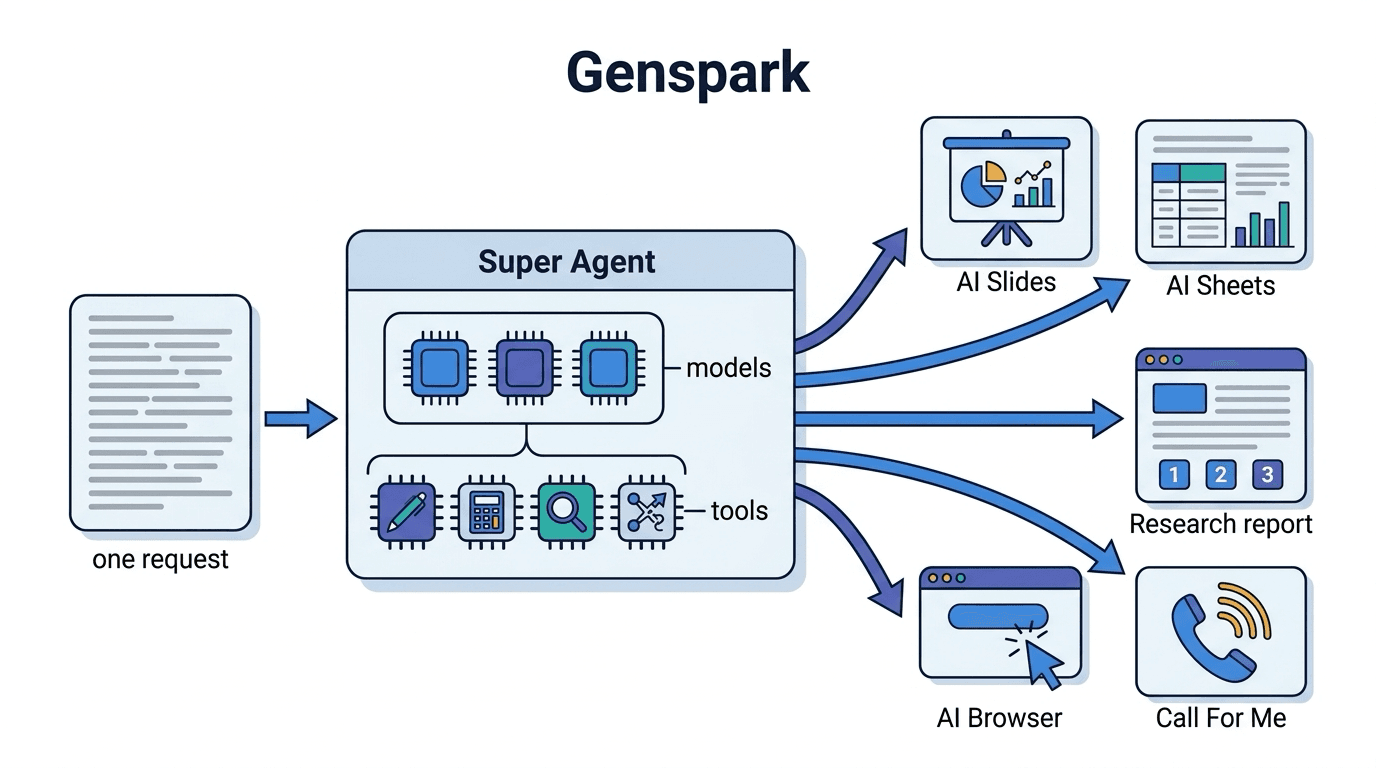
Genspark
Genspark is an AI workspace in which AI agents take on research, slide and spreadsheet creation, and