OpenClaw
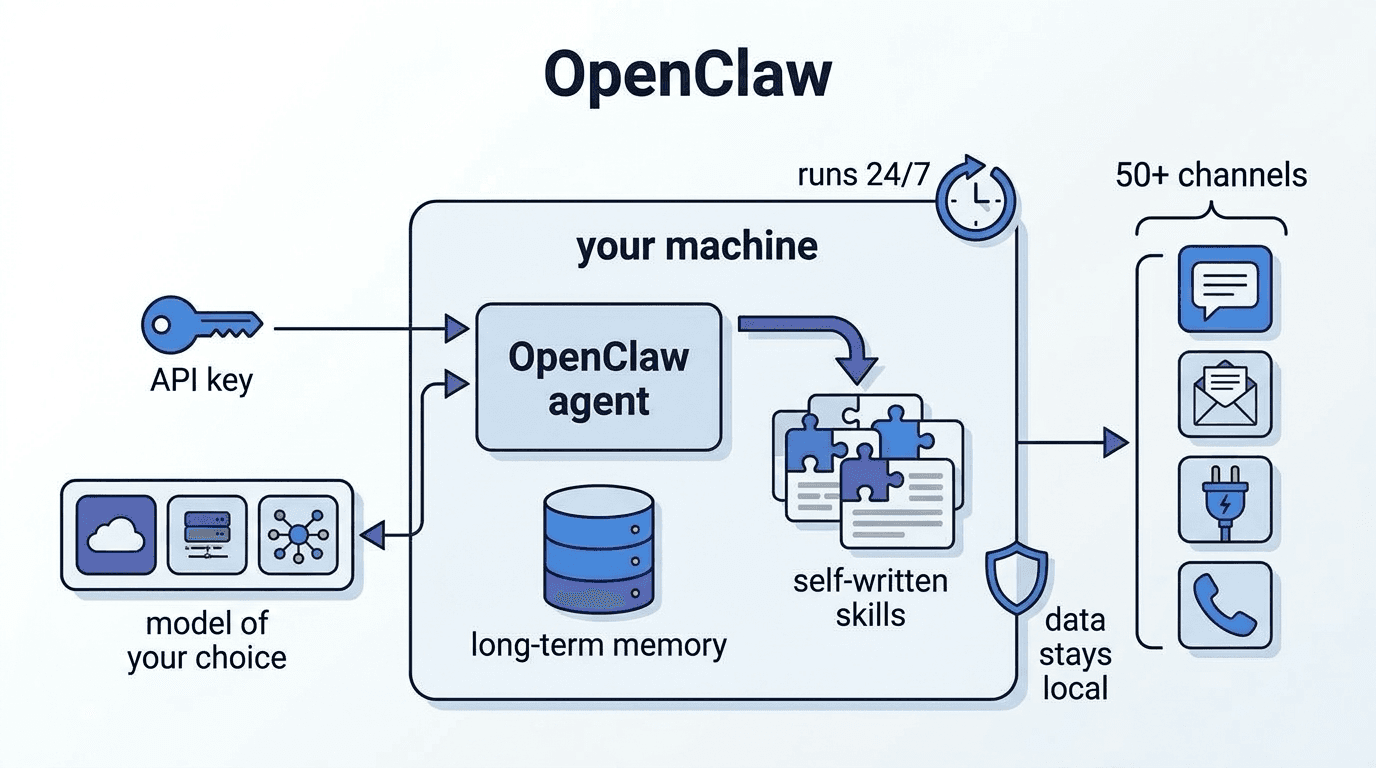
OpenClaw is an open-source personal AI agent framework that runs in a local environment, featuring long-term memory, autonomous task execution, and self-generating skill capabilities, which surpassed 160,000 stars on GitHub in 2026.
OpenClaw, published by PSPDFKit founder Peter Steinberger, goes by the nickname "Molty." In January 2026, the project exploded in popularity on GitHub, surging from thousands of stars to 60,000 stars within 72 hours.
The reason OpenClaw gained such strong support is straightforward: its design philosophy of "an AI agent that runs without sending data outside, as long as you bring your own API key." No subscription required. You can choose your model from OpenAI, Anthropic, or a local LLM. It connects to more than 50 channels including WhatsApp, Slack, and smart home devices, and runs continuously in the background 24 hours a day.
What makes it technically interesting is that the agent can write new Skills on its own. When instructed to "automate this task," it autonomously writes the code needed for execution and reuses that Skill going forward. The community Skills marketplace has over 5,700 skills published, allowing functionality to be added with a single install.
Context retention across sessions (long-term memory) is another key feature. Since it remembers user preferences and past conversation content when entering the next conversation, there is no need to explain everything from scratch each time.
Fully open source under the MIT License. A self-hosted version is also available for enterprise use, accommodating use cases that involve handling sensitive internal data.
Articles covering this term

Related Terms
Ambient AI
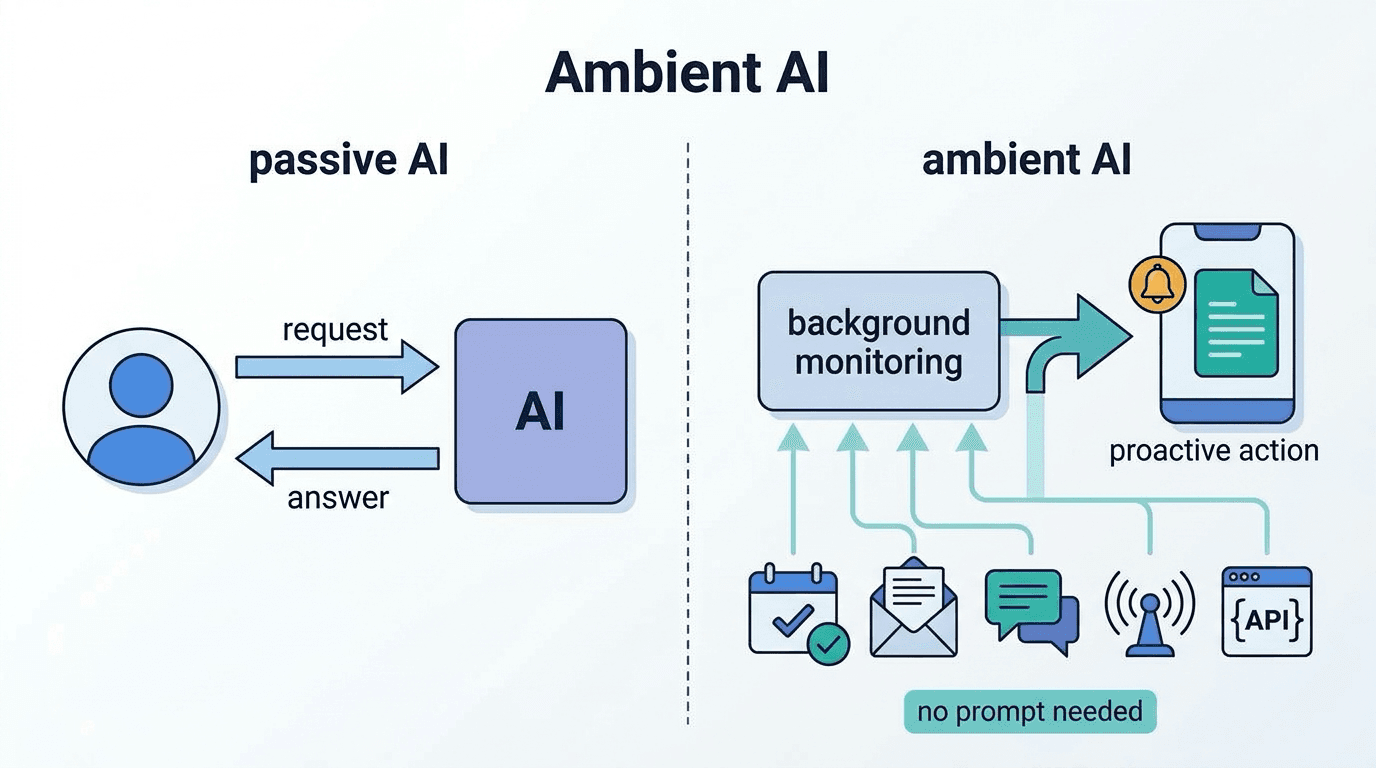
Ambient AI refers to an AI system that is seamlessly embedded in the user's environment, continuousl
Claude Code
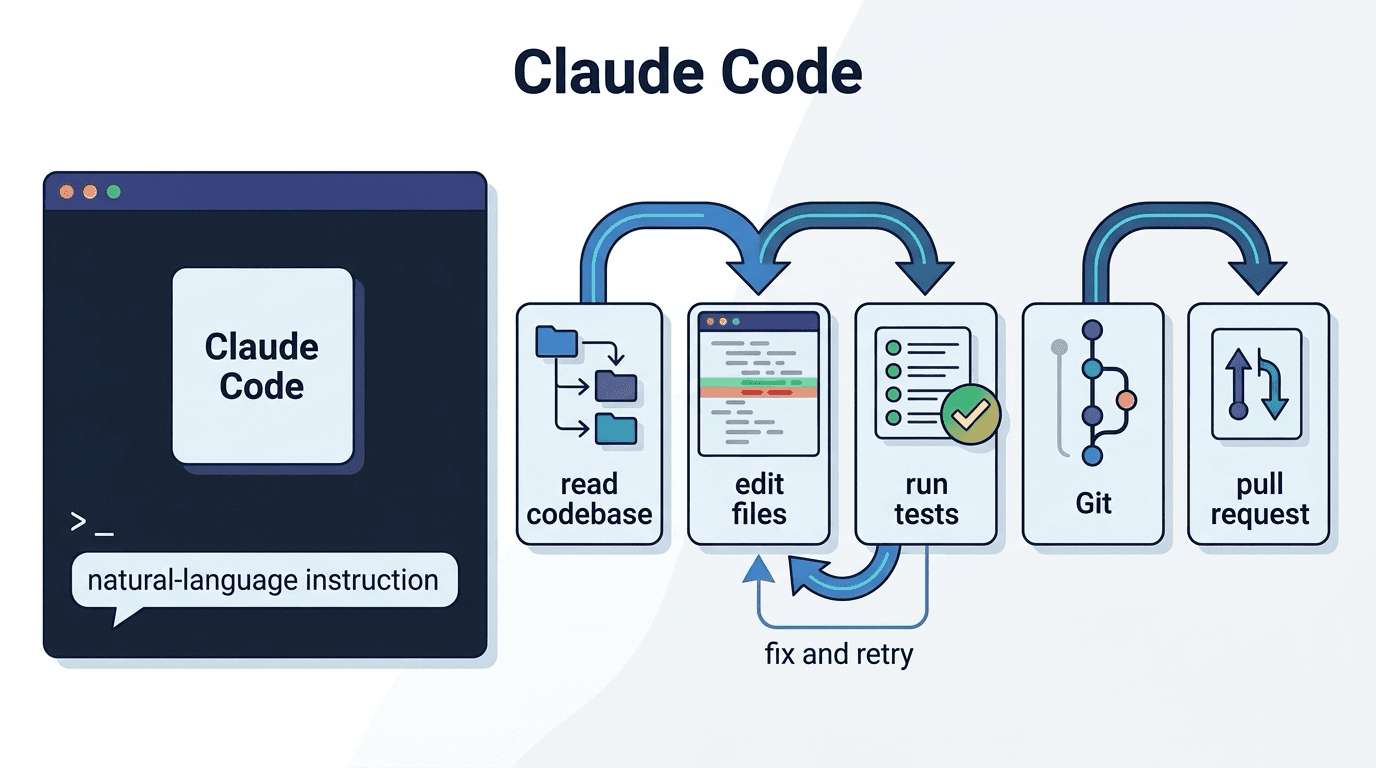
Claude Code is a terminal-resident AI coding agent developed by Anthropic. It is a CLI tool that ena
Codex (OpenAI)
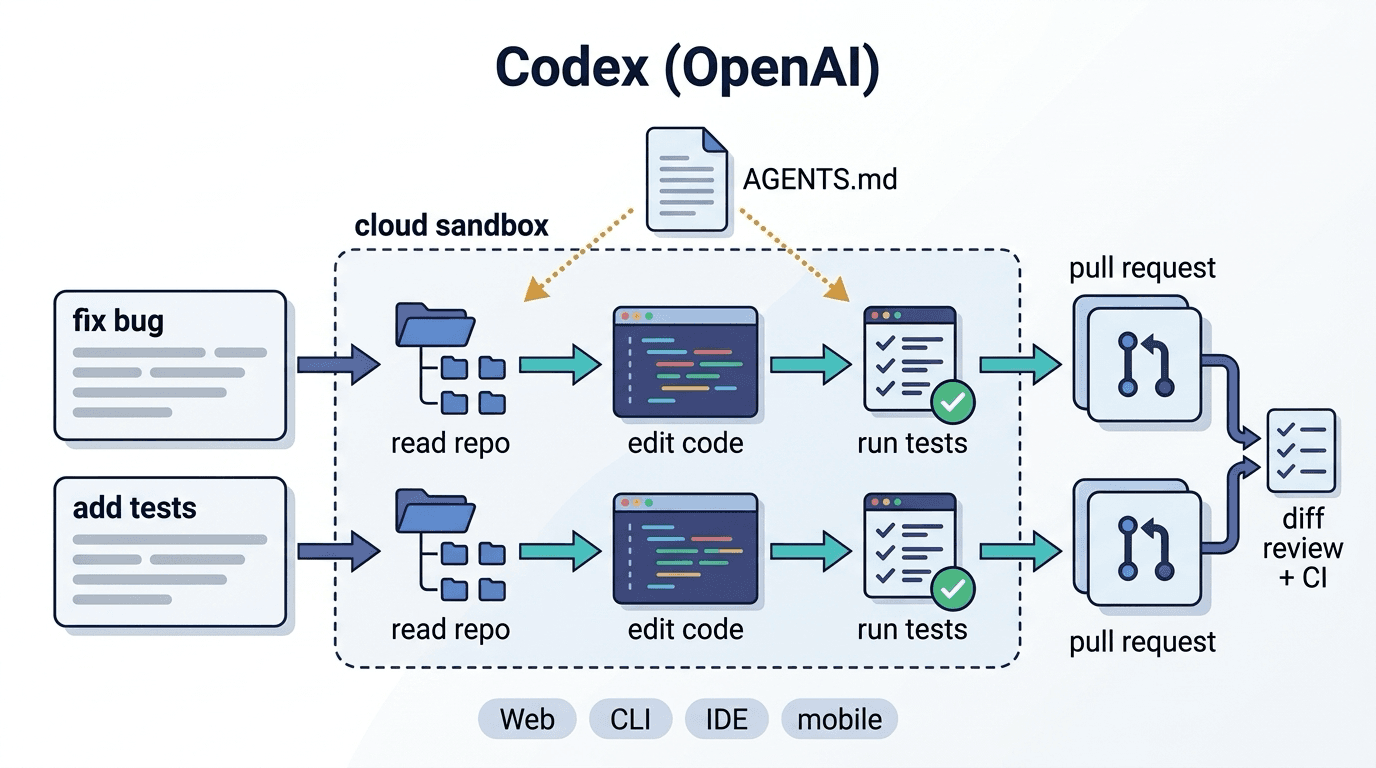
Codex is OpenAI's AI coding agent. It reads a repository and carries a task through implementation,
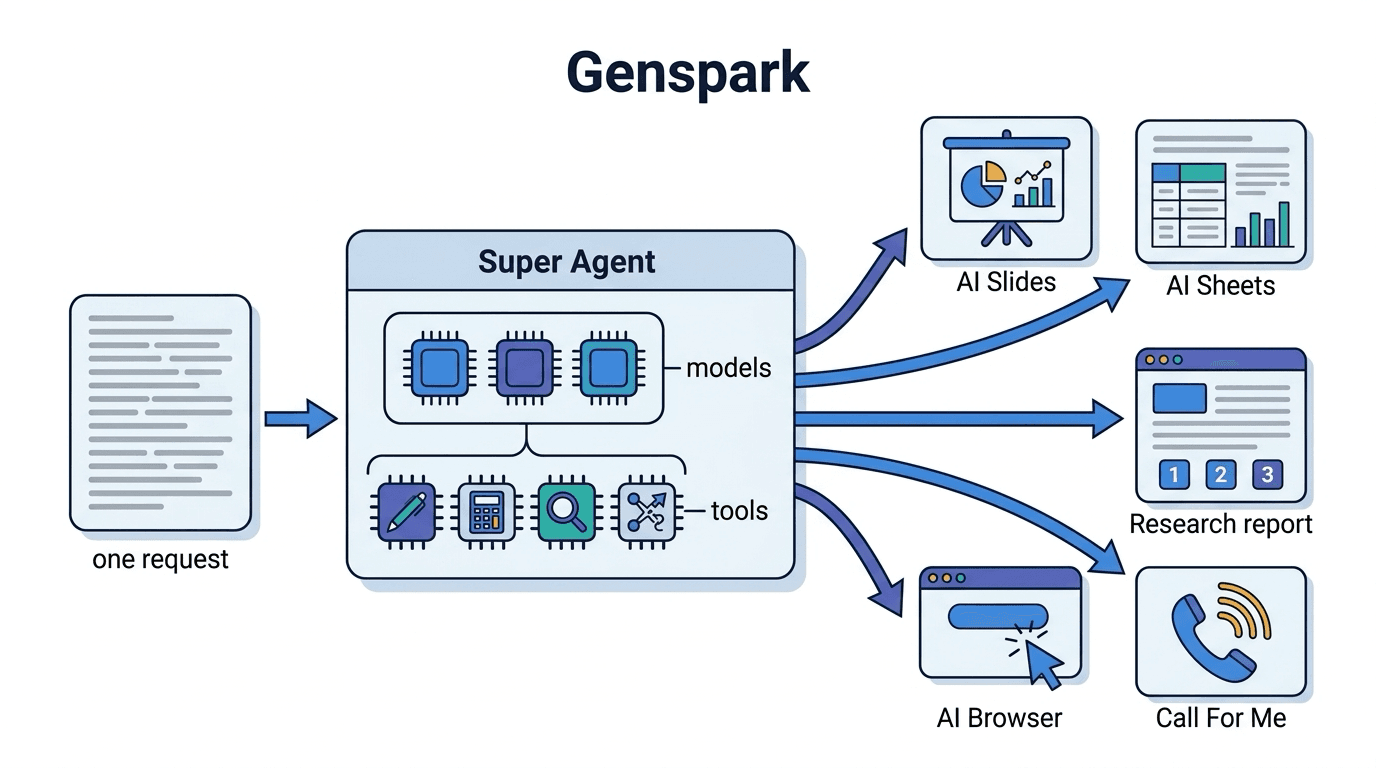
Genspark
Genspark is an AI workspace in which AI agents take on research, slide and spreadsheet creation, and