NDVI
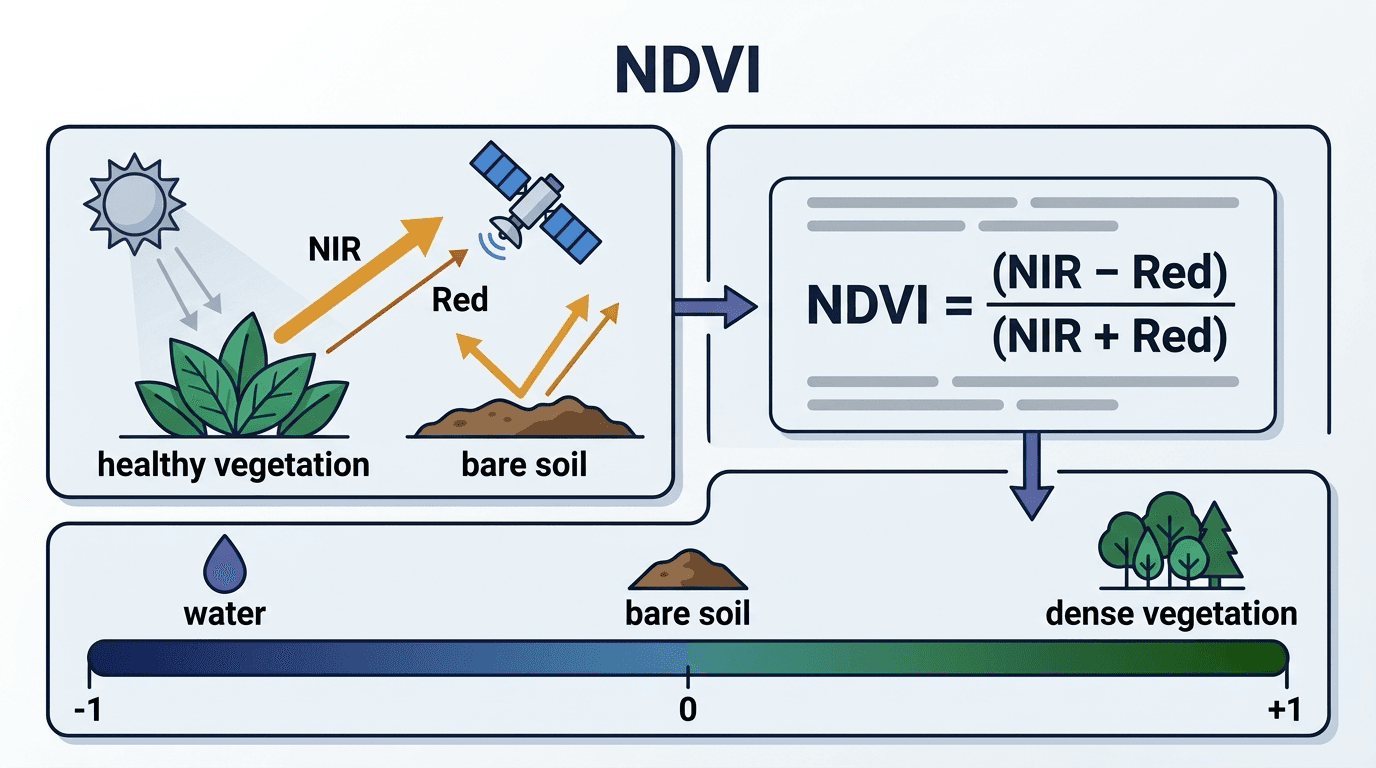
NDVI (Normalized Difference Vegetation Index) is an index derived by normalizing the reflectance difference between the near-infrared band and the red band of satellite imagery, calculated as (NIR - Red) / (NIR + Red), and is used to quantitatively assess vegetation vigor and density.
Plants rich in chlorophyll (leaf green pigment) strongly reflect near-infrared light (NIR) and strongly absorb red light (Red) for photosynthesis. NDVI is an index that exploits this asymmetry in reflectance, calculated using the straightforward formula (NIR - Red) / (NIR + Red). In Sentinel-2, B08 (NIR) and B04 (Red) at 10m resolution are used, and the index can be easily computed with Python libraries such as rasterio.
How to Interpret the Values
Values fall within the range of -1 to +1. Practical guidelines are as follows.
| NDVI Value | Example Surface Conditions |
|---|---|
| 0 or below | Water bodies, snow, clouds |
| 0–0.2 | Bare soil, desert |
| 0.2–0.4 | Shrubland, sparse grassland |
| 0.4 or above | Moderate to dense vegetation, healthy cropland |
Since thresholds vary by biome (climate zone) and season, interpretation must be adapted to regional characteristics.
Applications in Agriculture, Forestry, and Disaster Response
In agriculture, regular imagery is captured throughout the growing season and time-series changes in NDVI are tracked to detect growth anomalies at an early stage. By visualizing fields with reduced vegetation using color coding, it becomes easy to prioritize areas requiring inspection. In forest management, NDVI is used to quantitatively assess vegetation loss caused by logging, wildfires, or disease. In disaster response, the practice of generating difference images (ΔNDVI) before and after floods or droughts to estimate the extent of damage has become widespread.
However, NDVI is an indicator of vegetation quantity and vigor, and cannot be used to identify tree species or directly predict crop yield. For high-precision agricultural diagnostics, it is often combined with indices such as EVI (Enhanced Vegetation Index) and NDRE (Red-Edge Normalized Difference Vegetation Index).
Related Terms
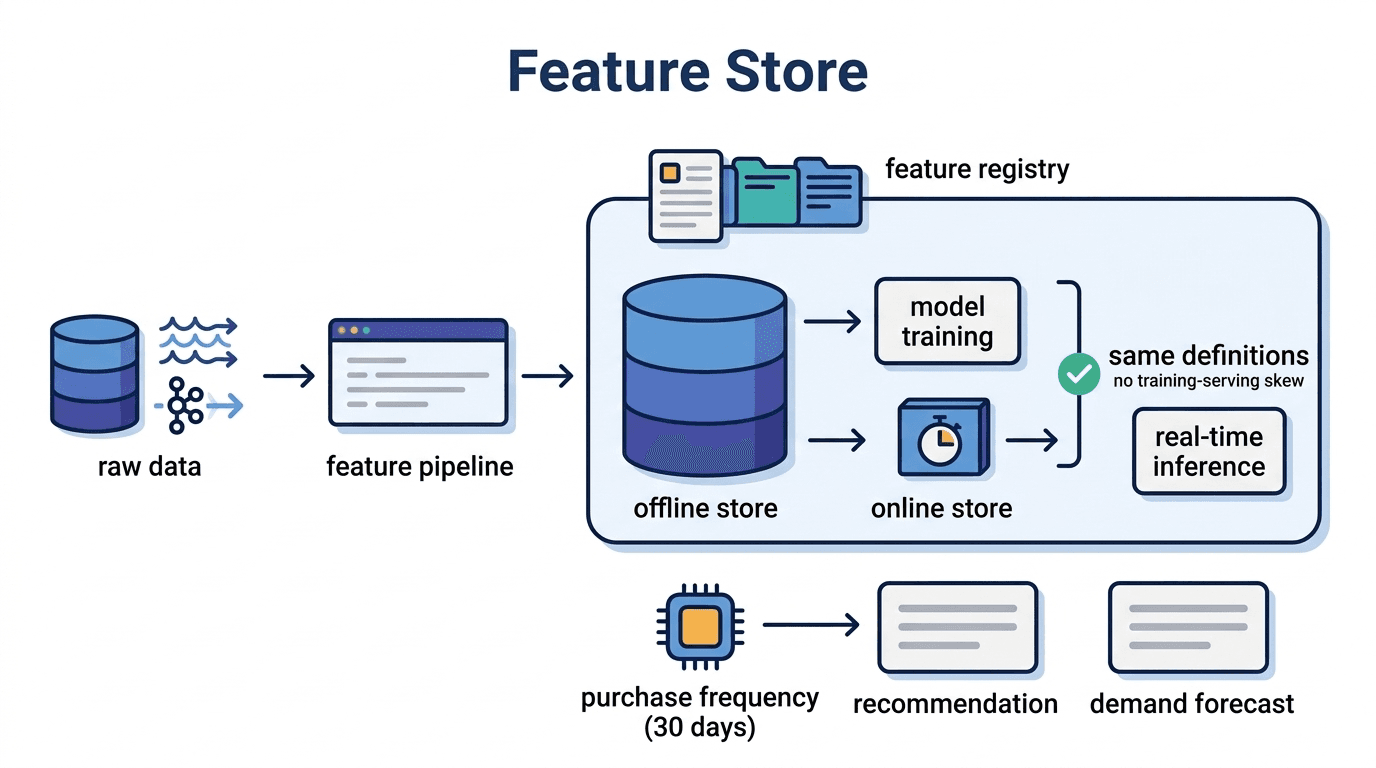
Feature Store
A feature store is a data infrastructure for centrally managing and reusing features used in machine
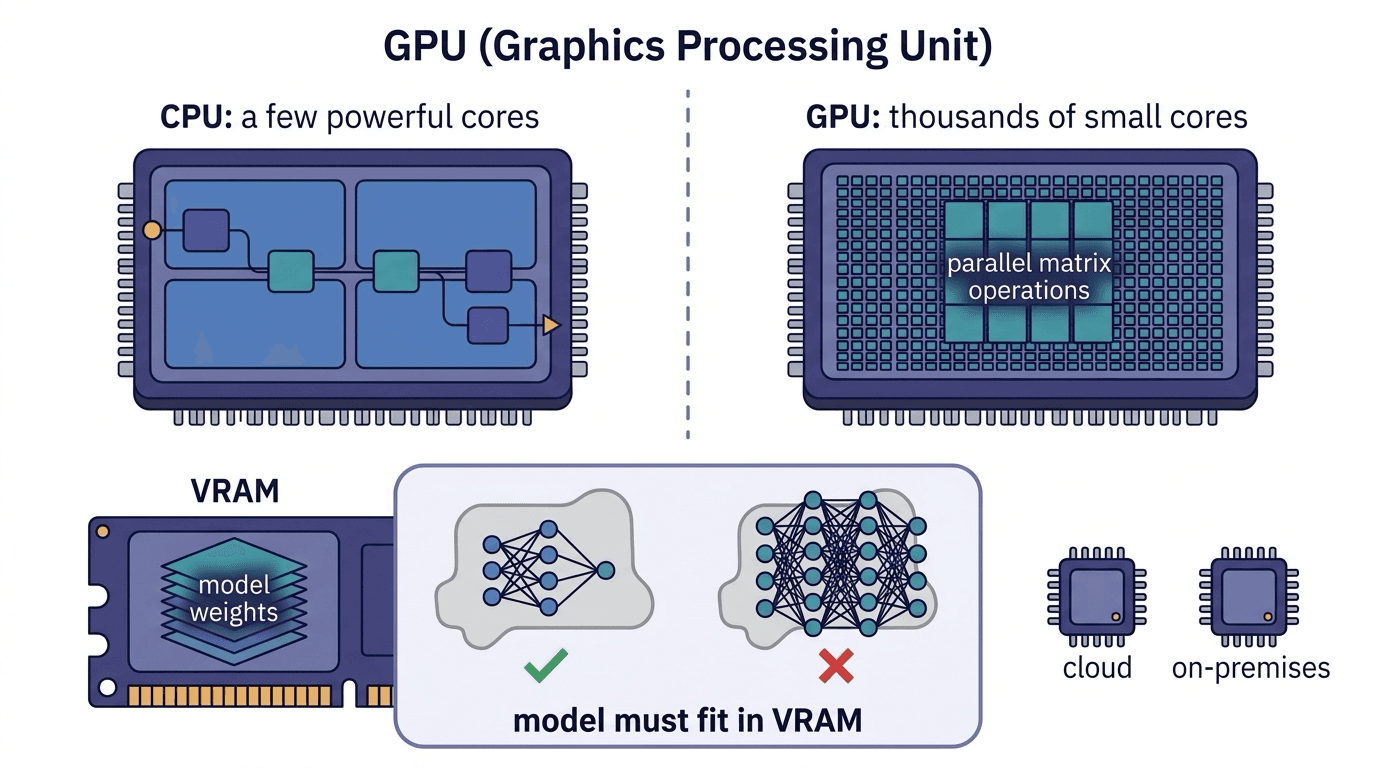
GPU (Graphics Processing Unit)
A GPU (Graphics Processing Unit) is a semiconductor chip that processes large volumes of parallel co
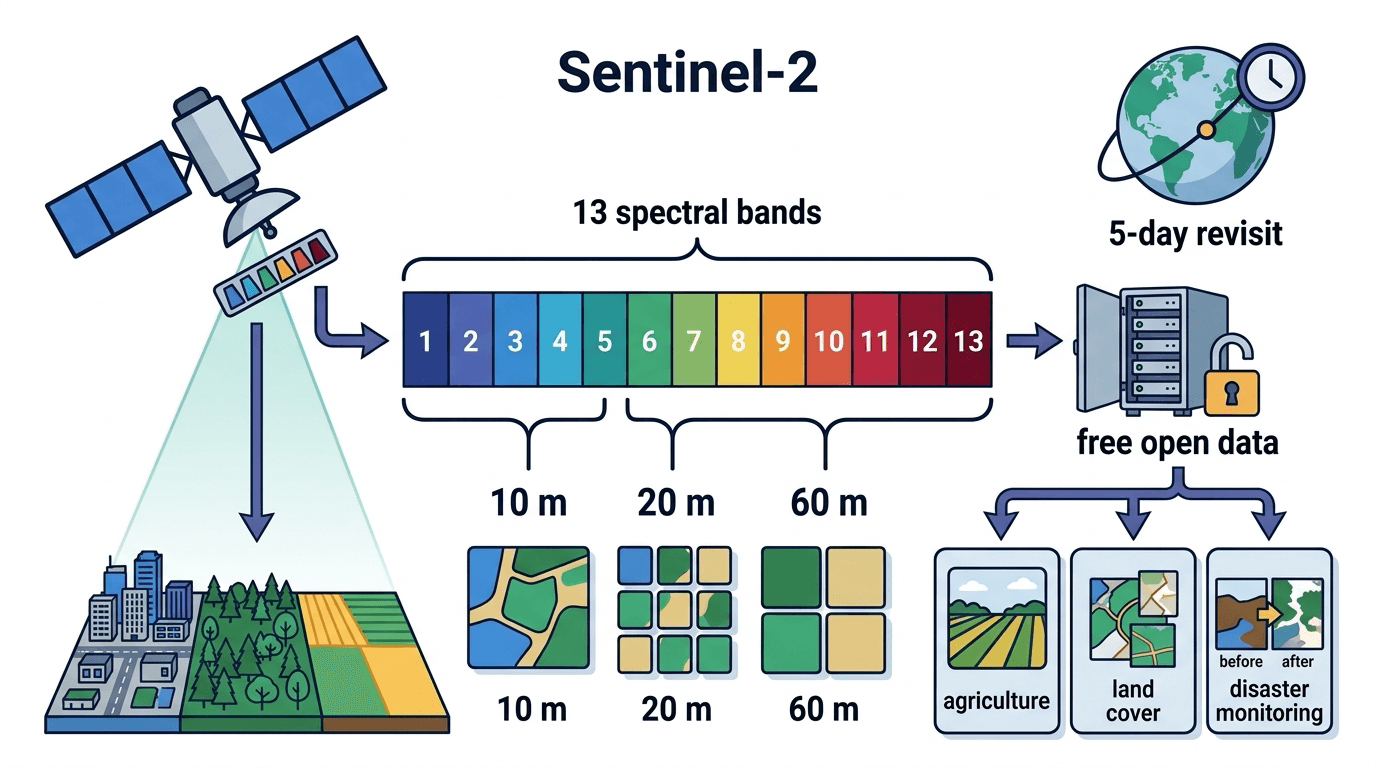
Sentinel-2
Sentinel-2 is an Earth observation satellite of the Copernicus program led by ESA (European Space Ag

Firecracker
Firecracker is an open-source virtual machine monitor (VMM) developed by AWS that boots lightweight