Local LLM
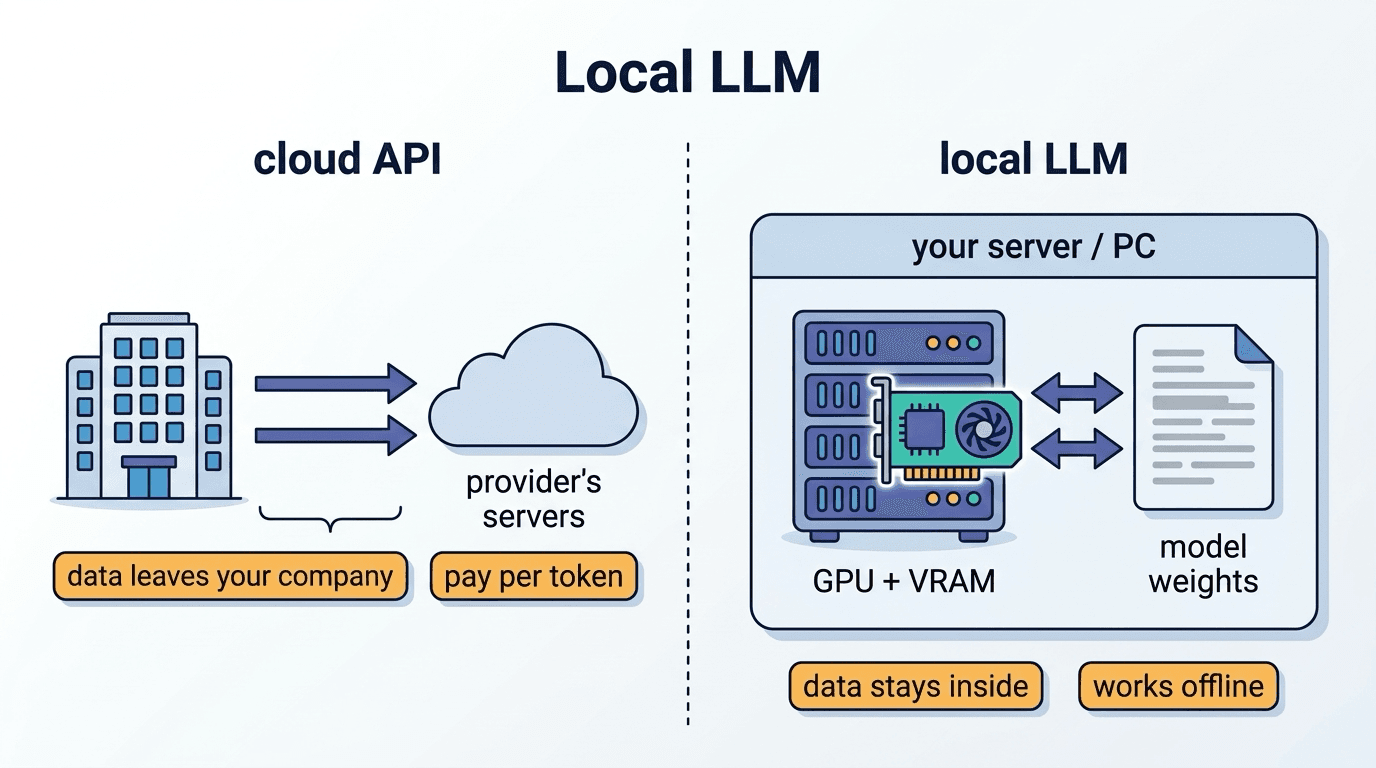
A local LLM refers to an operational model in which a large language model is run directly on one's own server or PC, without going through a cloud API.
Why Run Locally
ChatGPT and Claude APIs make it easy to leverage LLM capabilities. Even so, there are three main reasons to choose local execution.
The first is avoiding external data transmission. There are many situations where sending data to a cloud API is simply not permitted from a compliance standpoint — medical records, legal documents, and confidential internal information being prime examples. The second is cost structure. APIs are fundamentally pay-per-use, but when running large volumes of inference on a daily basis, there is a threshold at which owning a single GPU in-house becomes cheaper. The third is latency and offline requirements. In environments where a stable internet connection cannot be assumed — such as factory production lines or remote field sites — local execution becomes the only viable option.
What You Need to Run It
The bare minimum required is a GPU, model weight files, and an inference engine. Tools such as llama.cpp, vLLM, and Ollama are commonly used as inference engines. Ollama in particular has significantly lowered the barrier to entry, as a single command like ollama run llama3 handles everything from downloading the model to launching it.
The relationship between model size and hardware is straightforward: the larger the parameter count, the more VRAM is required. Models with 7–8B parameters can run on consumer-grade GPUs (such as the RTX 4090), but anything above 70B requires A100- or H100-class hardware. Applying quantization (4-bit, 8-bit) can compress the required memory to less than half, though a trade-off with accuracy is unavoidable.
Balancing Local and Cloud APIs
"Migrating everything to local" is, in most cases, not realistic. As of 2026, reproducing the performance of ChatGPT or Claude Opus-class models locally remains cost-prohibitive. In practice, a hybrid configuration — running only sensitive workloads locally while routing everything else through an API — tends to be the pragmatic middle ground.
Conversely, there are cases where Fine-tuning a task-specific SLM (small language model) and running it locally yields higher accuracy and lower cost than a general-purpose API. Narrowing the scope of use is the key to maximizing the cost-effectiveness of local LLMs.
Articles covering this term
- Local LLM / SLM Deployment Comparison — AI Utilization Without Cloud API DependencyCompare open-weight models like GPT OSS, Phi-4, and Llama 4 Scout against cloud APIs on GPU requirements, task accuracy, and TCO. A local AI deployment guide for data sovereignty and cost optimization.
- Choosing Between Fine-Tuning and RAG: A Practical Guide Comparing Cost, Accuracy, and Use CasesFine-tuning vs RAG: which should you choose? We compare both across 4 axes—cost, accuracy, update frequency, and security—to guide your decision by use case.
- LLM Cost Optimization Guide — Token Reduction, Model Selection, and Cache ImplementationPractical guide to cutting LLM production costs. Learn 4 pillars—token optimization, model selection, prompt caching & RAG design—to halve monthly costs without sacrificing accuracy.
- What is Model Merging? A Technique to Combine Multiple LLMs Without Training to Improve PerformanceExplore Model Merging: mathematically combine fine-tuned models to integrate multiple skills while reducing computational costs.


Related Terms
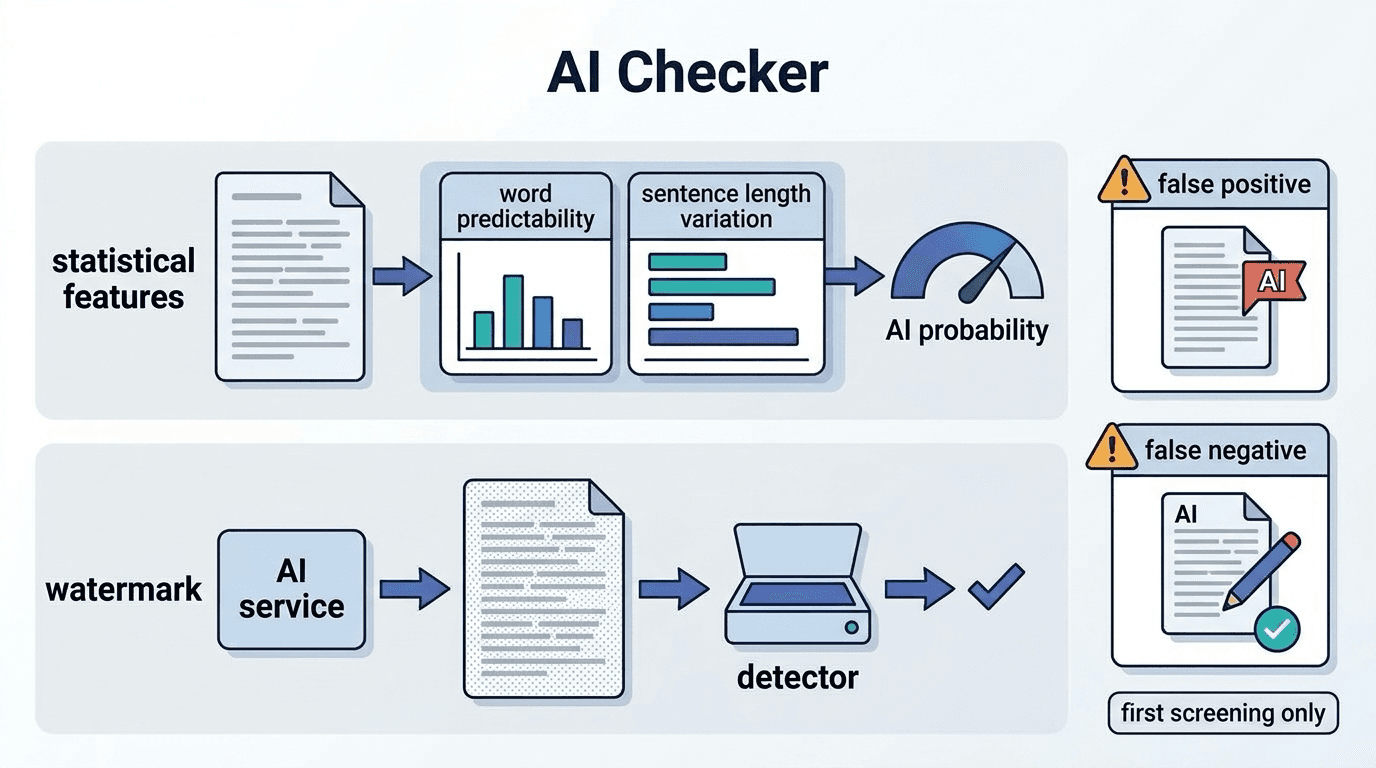
AI Checker (AI-generated text detector)
An AI checker is a tool that estimates whether a piece of writing was generated by AI, mainly from s
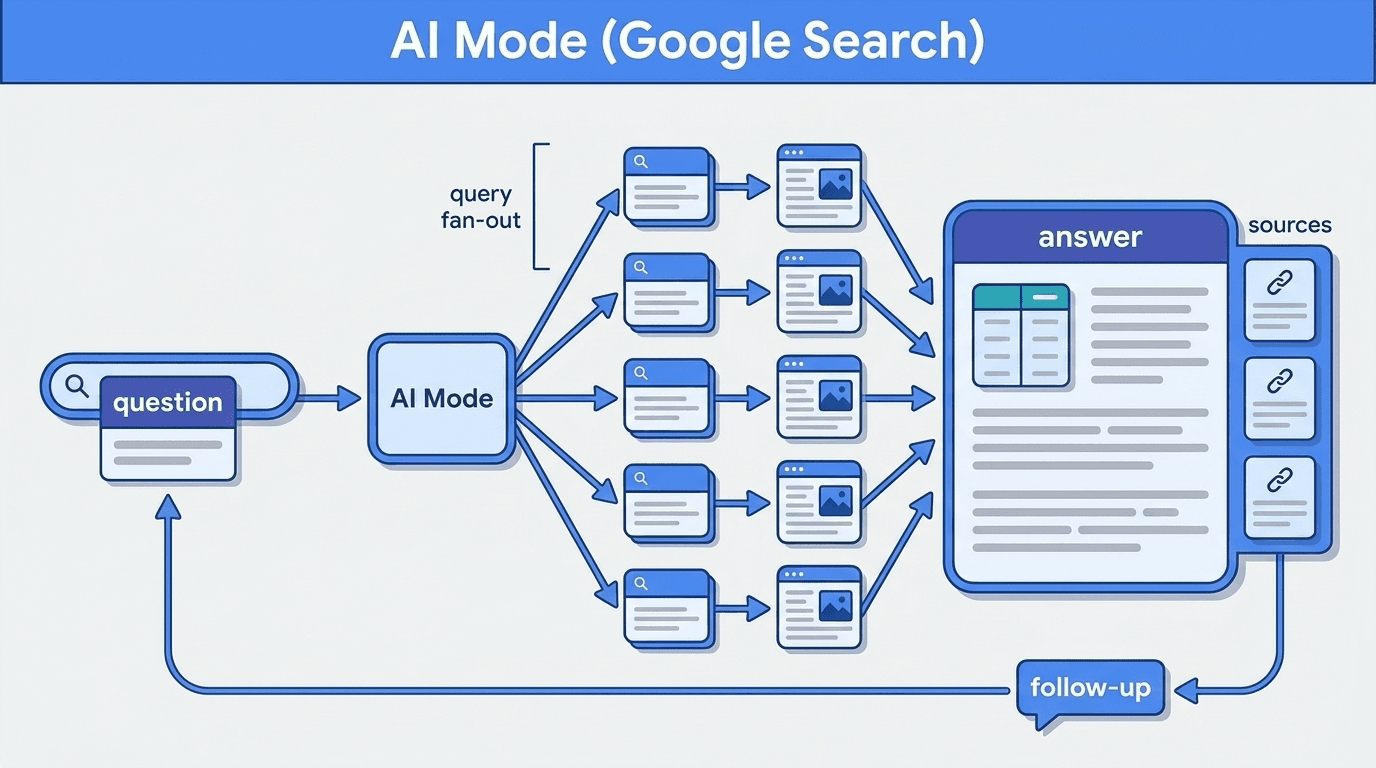
AI Mode (Google AI Mode)
AI Mode is a generative AI search mode built into Google Search that answers questions conversationa

Context Window
A context window refers to the maximum number of tokens an LLM can process at one time, indicating t
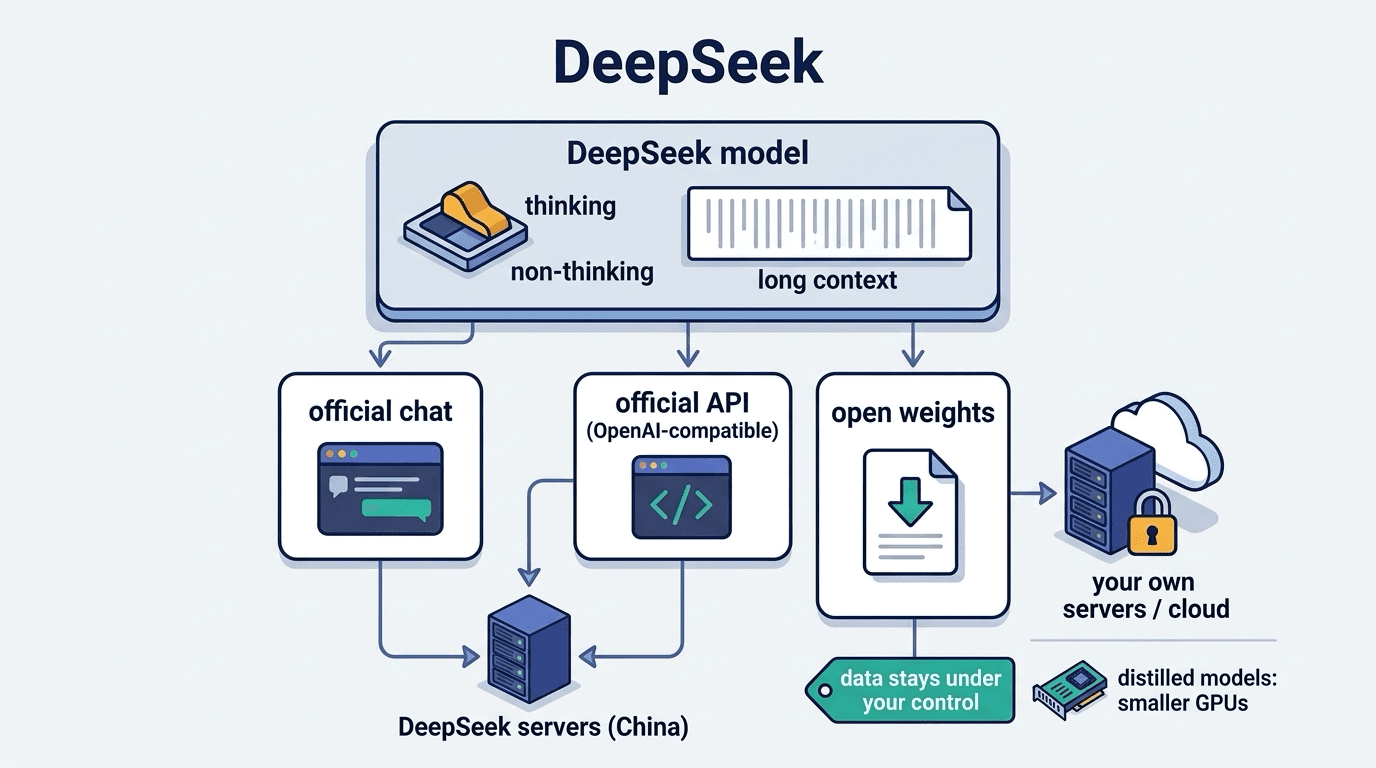
DeepSeek
DeepSeek is a family of large language models and a chat service developed by the Chinese company De