AI Red Teaming (AI Red Teaming)

An evaluation method that systematically tests AI system vulnerabilities from an attacker's perspective to proactively identify safety risks.
What is AI Red Teaming
AI Red Teaming is an evaluation methodology that systematically tests AI systems for vulnerabilities from an attacker's perspective, identifying safety risks before deployment in production. It applies the concept of "red team exercises" from the military and security fields to AI.
What Is Being Tested
The risks examined by AI Red Teaming are broader than those in traditional software security.
- Prompt injection: Bypassing model constraints through input manipulation
- Extraction of sensitive information: Drawing out personal data or trade secrets contained in training data
- Harmful content generation: Inducing outputs that slip past safety filters
- Violation of instruction hierarchy: Overwriting system prompts or deviating from assigned roles
A large-scale evaluation conducted by the UK AI Safety Institute reported over 62,000 vulnerabilities, highlighting the extensive attack surface of AI systems.
How to Conduct It
Specialized teams comprehensively test systems by combining techniques such as prompt modification, multilingual attacks, and multi-turn manipulation. A hybrid approach is considered effective, in which automated tools (such as Garak and PyRIT) generate large volumes of test cases while human experts supplement them with creative attack scenarios.
The EU AI Act requires appropriate testing for high-risk AI systems, and AI Red Teaming is attracting growing attention as a means of fulfilling that requirement.
Articles covering this term
- What is AI Red Teaming? A Practical Guide to Finding LLM VulnerabilitiesLearn about AI red teaming: methods, tools & techniques to systematically uncover LLM vulnerabilities like prompt injection & jailbreaking for safer AI operations.
- Automating AI Red Teaming: Test Case Generation and Scalable Vulnerability ValidationLearn how to automate AI red teaming: test case generation tools, scalable vulnerability verification flows, and steps to implement continuous security testing.
- AI Agent Governance Framework Implementation Guide — Oversight Design to Prevent Agent DriftEliminate the biggest barrier to production-ready autonomous agents: lack of governance. Step-by-step guide to preventing agent drift and designing accountability.
- AI Red Team Build Criteria: In-House vs. Outsourced Services Comparison and Selection GuideShould you build an AI red team in-house or outsource it? Compare cost, talent, and operational load, with selection criteria and steps by organization size.


Related Terms
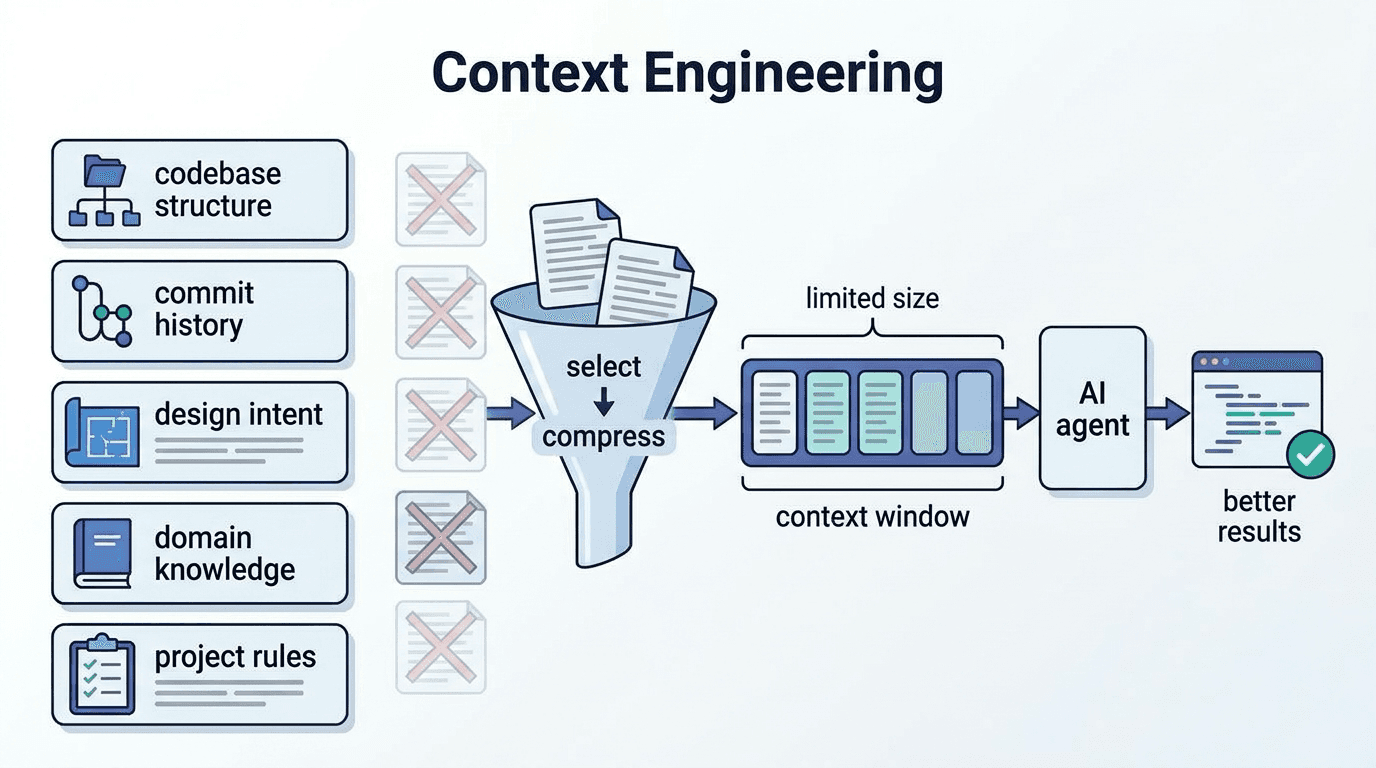
Context Engineering
Context Engineering is a technical discipline focused on systematically designing and optimizing the

System Prompt
A system prompt is an instruction given to an LLM before the start of a conversation with a user, de
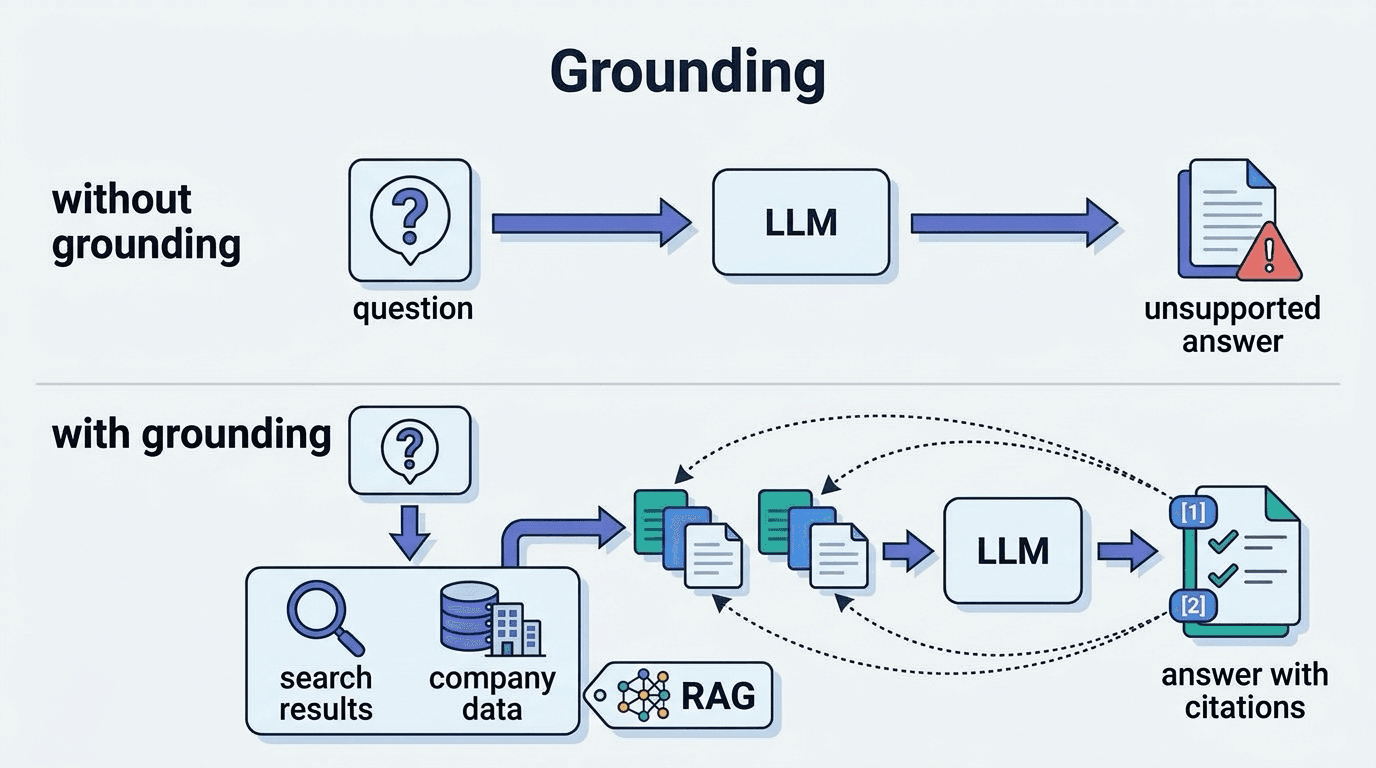
Grounding
A technique that cross-references LLM outputs with external data sources and search results to gener
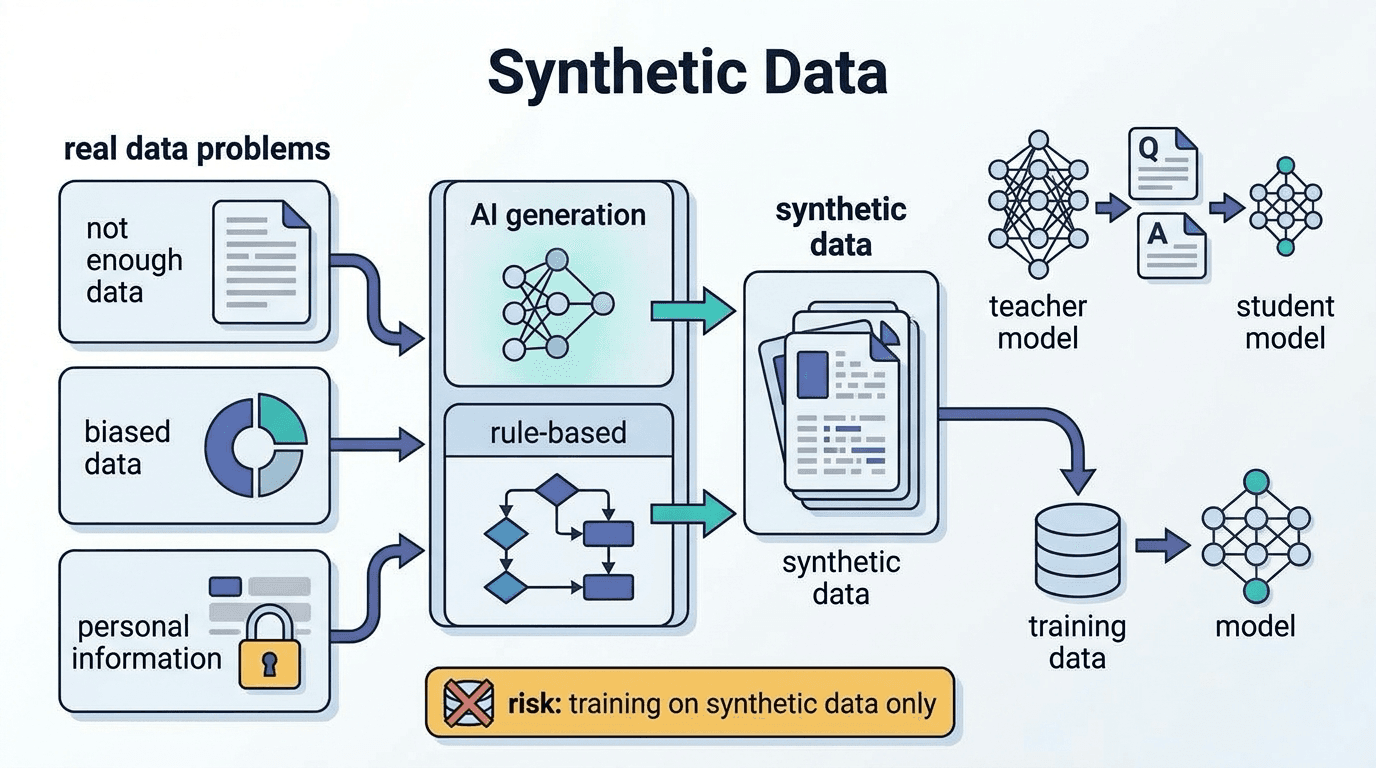
Synthetic Data
Training data generated by AI. It is used to supplement the lack of real data and to train and evalu