RLHF
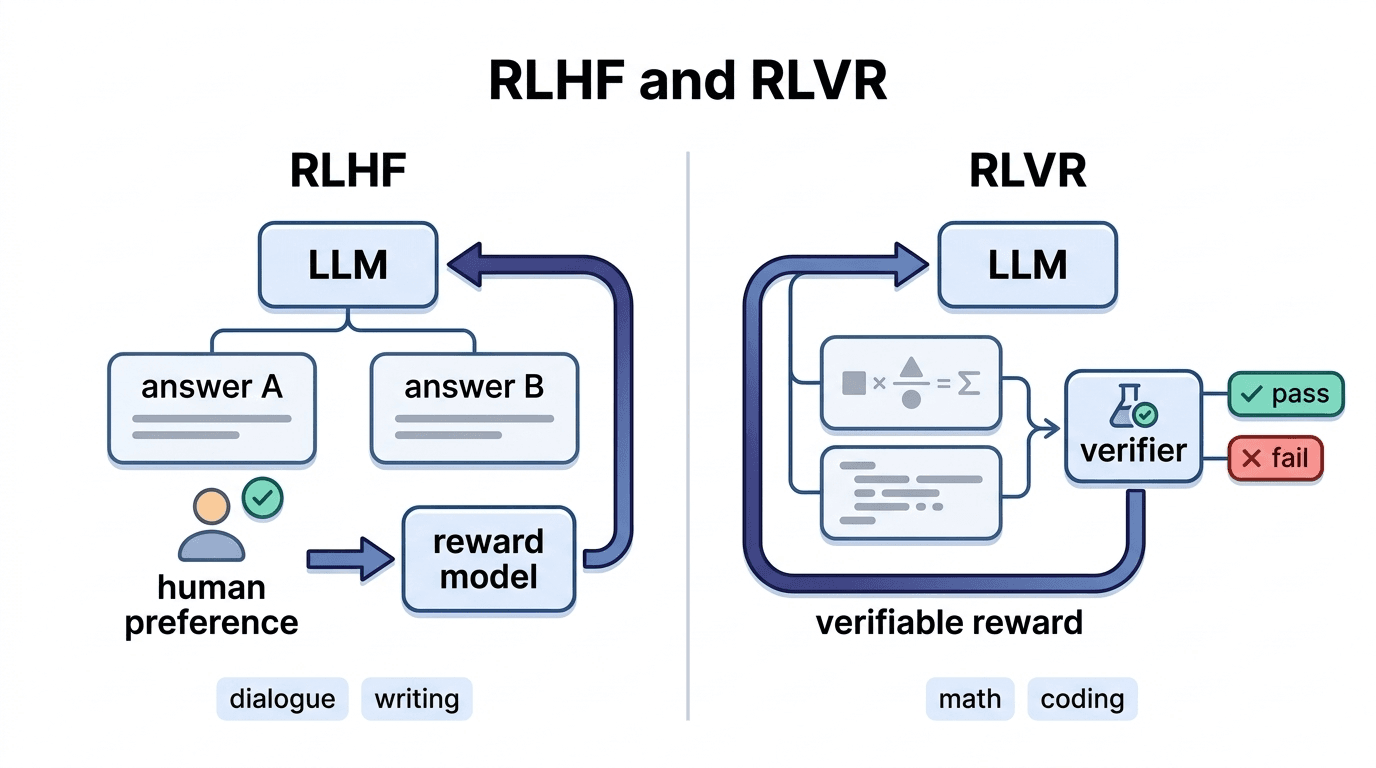
RLHF is a reinforcement learning method that uses human feedback as a reward, while RLVR is a reinforcement learning method that uses verifiable correct answers as a reward; both are used to align LLM outputs with human expectations.
The Technology That Transforms LLMs from "Smart" to "Usable"
An LLM that has completed pre-training possesses vast knowledge, but is difficult to use as-is. It may generate continuations of text rather than answering questions, or produce harmful content. Alignment is the process of transforming this "smart but unwieldy" state into "smart and user-friendly," and RLHF is its core technology.
RLHF: Judged by Humans
In RLHF (Reinforcement Learning from Human Feedback), human annotators compare multiple outputs from a model and evaluate which is better. A reward model is trained on that evaluation data, and the LLM is then adjusted through reinforcement learning to obtain higher rewards. The reason ChatGPT and Claude can deliver "conversational" responses is a result of RLHF.
However, challenges remain. Human evaluation is costly, prone to subjective inconsistency, and difficult to scale. The problem of reward hacking—where responses that appear plausible but are actually incorrect receive high ratings—has also been noted.
RLVR: Restricted to Tasks with Verifiable Answers
RLVR (Reinforcement Learning with Verifiable Rewards) is a method that gained attention in 2025 through DeepSeek-R1. It is limited to tasks where correctness can be mechanically verified—such as mathematical proofs or code execution results—and rewards are assigned without human evaluation.
Because no human subjectivity is involved, reward noise is low, and large volumes of feedback can be generated at low cost. On benchmarks covering mathematics, coding, and formal logic, accuracy improvements surpassing those of RLHF have been reported. Specific algorithms such as GRPO and DPO belong to this paradigm.
Which Should You Use?
The two approaches are not mutually exclusive. RLVR is efficient for verifiable tasks (code generation, mathematics, fact verification), while RLHF remains necessary for tasks where "there is no single correct answer," such as creative writing or conversational quality. In practice, hybrid approaches combining both are becoming increasingly common.
Articles covering this term
- Introduction to Fine-Tuning — The Fundamentals and Decision Criteria B2B Companies Should Know Before Building Their Own LLMLearn how fine-tuning works from the basics. Covers PEFT/LoRA, when to use RAG, cost estimates, and a checklist for B2B companies evaluating custom model development.
- What is LLM-as-a-Judge? A Method for Evaluating AI Output with AI and Implementing Hallucination DetectionLLM-as-a-Judge automates LLM output scoring. Covers Pointwise/Pairwise/Reference, bias mitigation, 4 implementation steps, and how it fits with Observability and Guardrails.
- What is AI Observability? A Practical Guide to Monitoring LLMs in ProductionFrom AI observability basics to tracing, evaluation, and cost management for production LLM apps—learn key implementation steps and tool selection tips.
- What is AI Grounding? An Implementation Guide to Fact Verification and Improving LLM Answer Accuracy with Web SearchAI grounding anchors LLM responses to authoritative sources. Learn how RAG and web search reduce hallucinations, plus implementation steps for enterprise deployment.


Related Terms
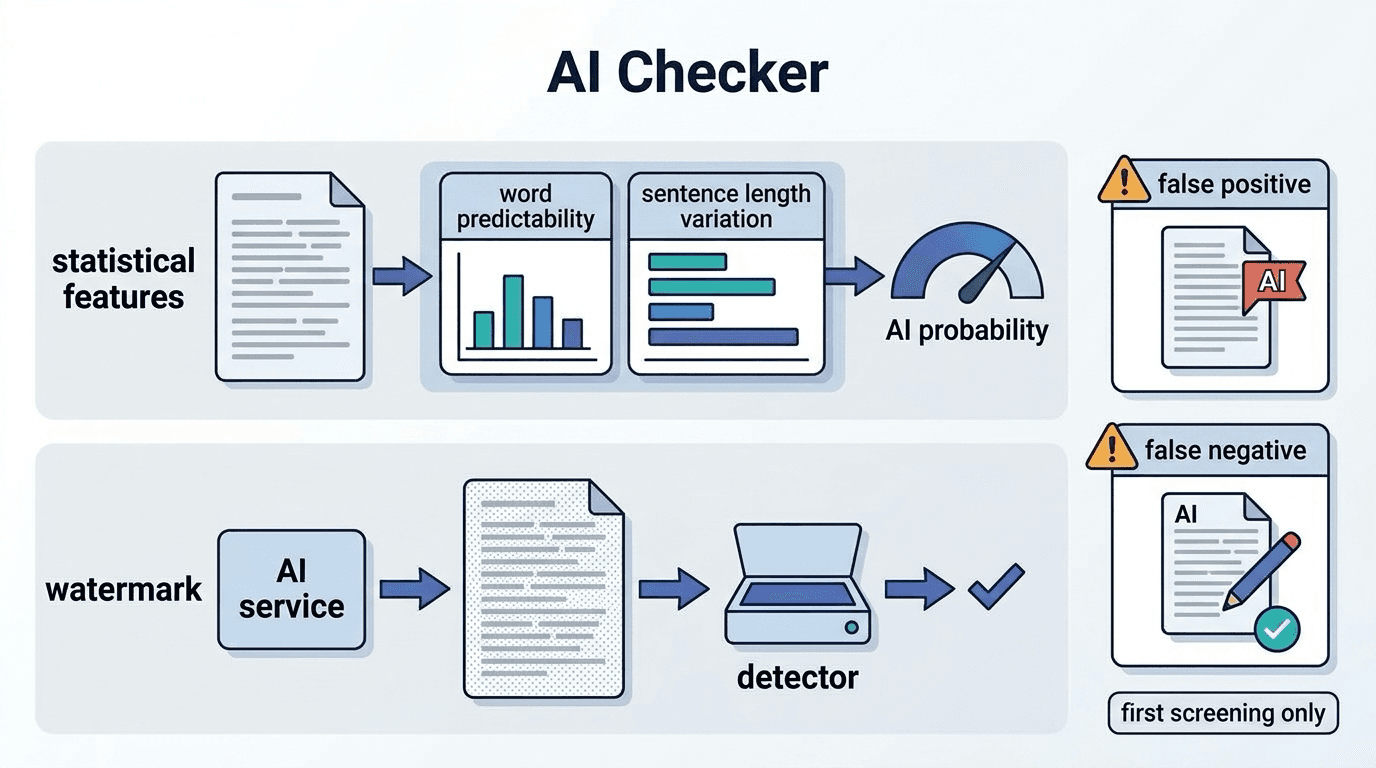
AI Checker (AI-generated text detector)
An AI checker is a tool that estimates whether a piece of writing was generated by AI, mainly from s
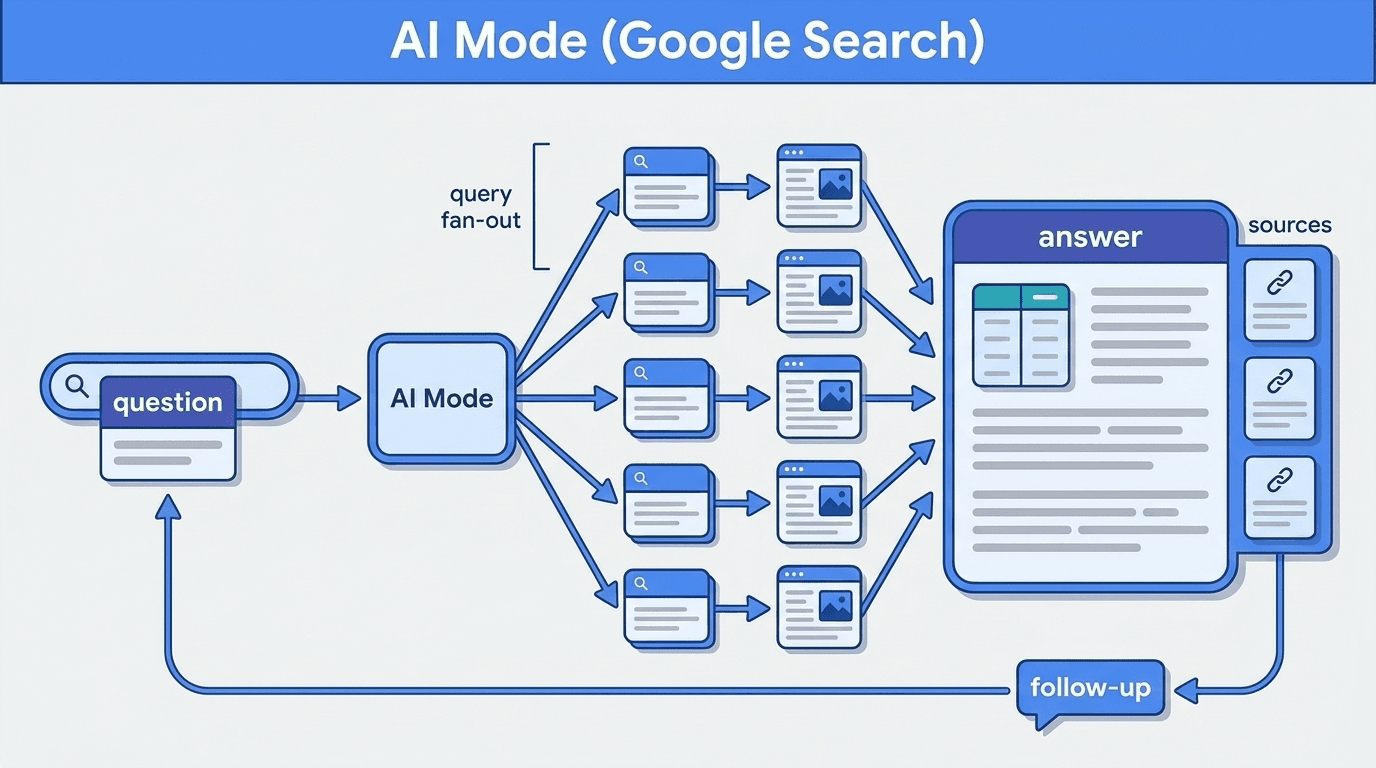
AI Mode (Google AI Mode)
AI Mode is a generative AI search mode built into Google Search that answers questions conversationa

Context Window
A context window refers to the maximum number of tokens an LLM can process at one time, indicating t
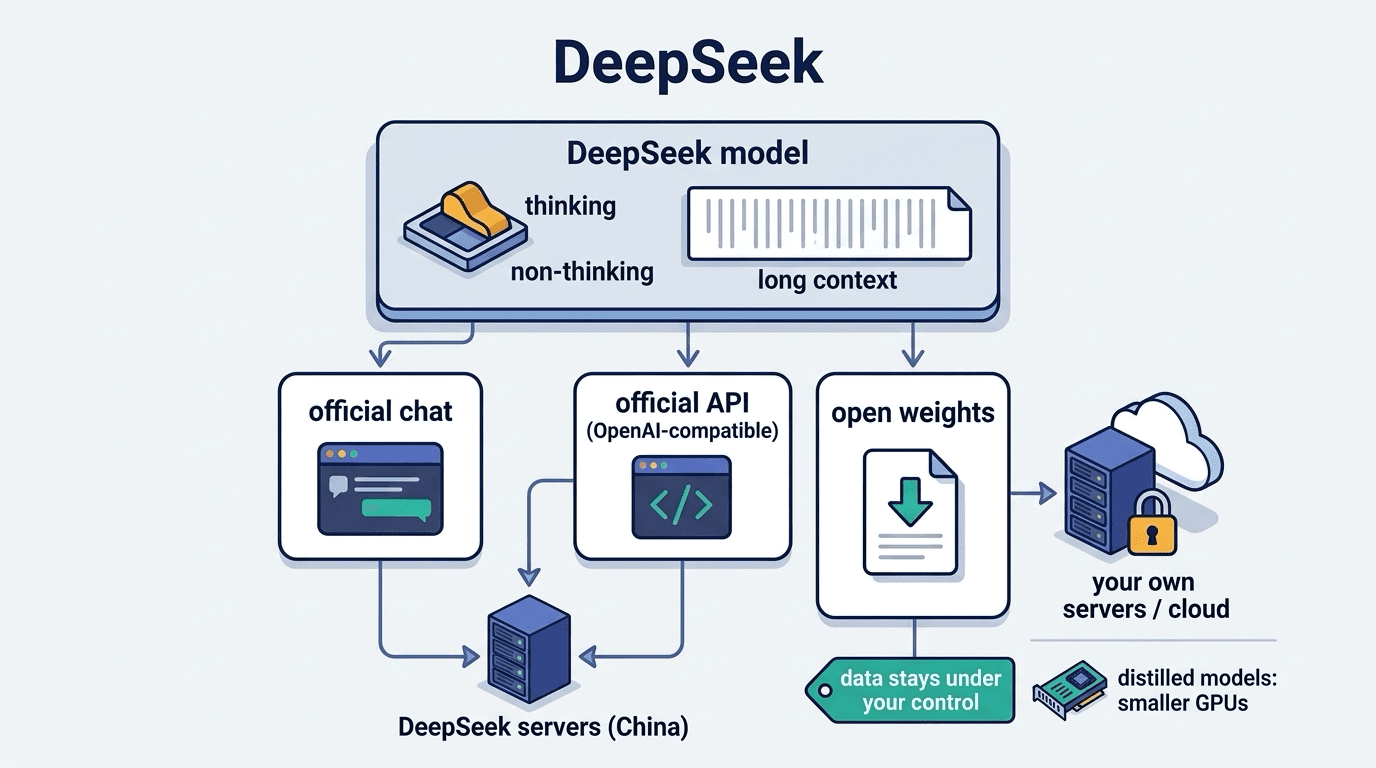
DeepSeek
DeepSeek is a family of large language models and a chat service developed by the Chinese company De